

Are you finding your blackberry bushes overgrown and unruly? Picture this: it’s fall, and your once-thriving blackberry patch now seems tangled and chaotic. But fear not! In this article, you’ll discover the essential tips for pruning blackberries in the fall season.
By learning how to properly prune your blackberries now, you’ll set the stage for a bountiful harvest next year. Imagine enjoying plump, juicy berries without the hassle of navigating through a jungle of thorns. With just a few simple techniques, you can ensure healthier plants and maximize fruit production.
Ready to transform your blackberry patch into a well-manicured garden of abundance? Let’s dive into the art of fall pruning and set the groundwork for a fruitful harvest season ahead.
Key Takeaways
- Pruning blackberries in fall is essential for promoting new growth, increasing air circulation, and removing diseased or dead canes.
- Fall is the ideal time to prune blackberry bushes as they are dormant, ensuring healthy plant growth and fruit production.
- Essential tools for pruning blackberries include pruning shears, loppers, a pruning saw, gloves, safety glasses, and disinfectant solution.
- Proper techniques for fall pruning involve removing old canes, trimming lateral branches on healthy canes, thinning out crowded areas, and cleaning up debris.
- Post-pruning care tips include cleaning up debris, applying mulch for moisture retention, fertilizing in late winter or early spring, regular watering, and monitoring plants for pests and diseases.
The Importance of Pruning Blackberries
Pruning blackberries is crucial for maintaining a healthy and productive garden. Here’s why pruning matters and the best time to prune your blackberry bushes:
Why Pruning Matters
Pruning helps blackberry bushes thrive by promoting new growth, increasing air circulation, and removing diseased or dead canes. By cutting back excess growth, you encourage the plant to focus its energy on producing quality fruit rather than spreading itself thin across too many canes. Proper pruning also prevents overcrowding, allowing sunlight to reach all parts of the plant evenly.
Best Time to Prune
Fall is the ideal time to prune blackberry bushes as they are dormant during this period. It’s recommended to wait until late fall after the first frost has passed but before new growth starts in spring. This timing ensures that you remove any damaged or weak canes while preserving those that will bear fruit in the upcoming season. Additionally, pruning in fall helps maintain the shape of the plant and prepares it for robust growth when warmer weather arrives.
By understanding the importance of pruning blackberries and knowing the best time to perform this task, you can ensure a fruitful harvest and a flourishing garden year after year.
Tools Needed for Pruning Blackberries
When it comes to pruning your blackberry bushes in the fall, having the right tools is essential to ensure a successful and efficient process. Here are the tools you’ll need:
Recommended Products

AMBIDEXTROUS DESIGN: Pruner shape is designed for both right and left-handed use while pruning indoor & outdoor plants such as shrubs, ornamental trees, vines, & flowers like roses; SoftGrip handle reduces hand fatigue & enhances comfort and control
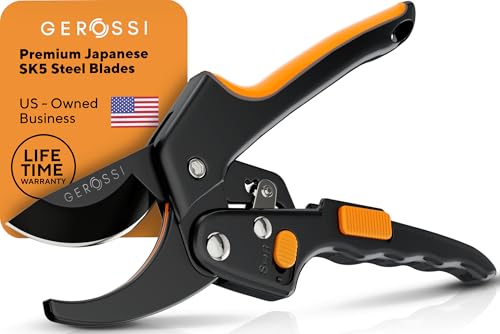
GARDEN SHEARS PRUNING - 2-in-1 Innovative Design. Our model stands out with its unique design, offering two distinct working modes – the traditional Single-Cut for everyday pruning tasks and an advanced Ratchet-Cut with a 3-step mechanism for dealing with thicker branches.

Reduce Hand Strain: The pruning shears have a built-in high-resilient steel spring, which opens automatically and is easy to work. The ergonomically designed ash wooden handle fits the curvature of the palm better, and is soft and non-slip, making you feel more comfortable. The overall scissors have good impact resistance, which can effectively buffer the vibration generated by pruning and reduce hand fatigue during use. It's a pair of gardening shears that are very suitable for long-term pruning work!
Essential Pruning Tools
- Pruning Shears: These are handy for cutting small canes and branches with precision.
- Loppers: Ideal for thicker canes that pruning shears may not be able to handle.
- Pruning Saw: Useful for cutting larger or hard-to-reach branches.
- Gloves: Protect your hands from thorns and ensure a comfortable pruning experience.
- Safety Glasses: Keep your eyes safe from any debris while pruning.
- Disinfectant Solution: To sterilize your tools between cuts and prevent the spread of diseases among plants.
- Wear long sleeves and pants to shield your skin from scratches and irritation.
- Opt for sturdy, closed-toe shoes to protect your feet while working around thorny bushes.
By using these essential tools and protective gear, you’ll be well-equipped to prune your blackberry bushes effectively during the fall season, setting the stage for a bountiful harvest in the coming year.
How to Prune Blackberries in Fall
When it comes to pruning your blackberry bushes in the fall, proper techniques are key to maintaining a healthy garden and ensuring a bountiful harvest next season. Here’s how you can effectively prune your blackberries this fall.
Recommended Products

CLAMPING JAWS – Electric chainsaw tree loppers with innovative jaws that grab and cut wood in one easy motion

Sharp Mn Steel Blade for Fast & Clean Cuts: This pole saw uses a sharp three-sided edge with a double-sided barb design to grip branches securely and cut smoothly from multiple angles. The Mn steel blade is durable, rust-resistant, and lightweight, delivering fast, clean cuts. This is a manual pole saw with detachable pole sections for adjustable reach; not pruner not telescoping pole, it is neither electric nor battery-powered.
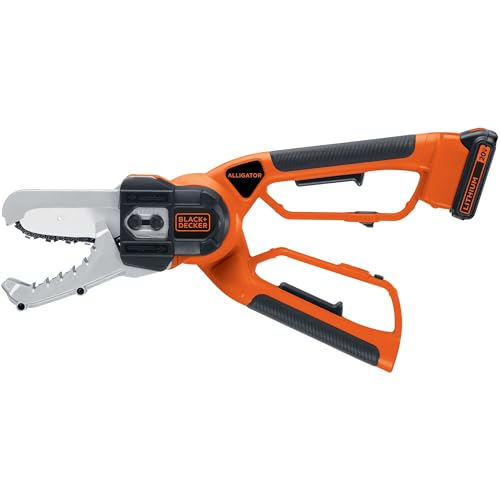
20V MAX* lithium battery on this tree branch cutter provides up to 150 1-1/2 inch diameter cuts per charge and long battery life year after year
Preparing Your Blackberry Plants
- Gather Your Tools: Before starting the pruning process, make sure you have the necessary tools ready. You’ll need pruning shears, loppers for thicker canes, and a pruning saw for more substantial cuts. Additionally, don’t forget to wear protective gear such as gloves and safety glasses to keep yourself safe while working.
- Inspect Your Plants: Take a close look at your blackberry bushes before you begin pruning. Identify any damaged or diseased canes that need removal. Look for any dead wood or canes that are crossing over each other, as these can hinder growth and airflow within the plant.
- Choose the Right Time: Timing is crucial when it comes to fall pruning of blackberries. Aim to prune after your plants have finished fruiting for the season but before winter sets in. This timing allows you to remove old canes while preserving those that will produce fruit next year.
- Remove Old Canes: Start by cutting out any old or damaged canes at ground level using your pruning shears or loppers if they are thicker. These canes won’t bear fruit again, so removing them encourages new growth from healthier canes.
- Trimming New Growth: Next, trim back the lateral branches on the remaining healthy canes by about 12-18 inches (30-45 cm). This helps promote better air circulation within the plant and encourages more vigorous growth in the upcoming season.
- Thin Out Crowded Areas: If your blackberry bushes have become overcrowded with too many canes, thin them out by removing some of the weaker ones at their base. This allows more sunlight to reach the remaining canes and improves overall fruit production.
- Clean Up Debris: Once you’ve finished pruning, gather up all the cuttings and debris from around your plants. Proper disposal of this material helps prevent diseases from spreading and keeps your garden tidy.
By following these steps and guidelines for fall pruning of blackberries, you’ll set your plants up for success in the coming growing season while maintaining a neat and productive garden space.
Post-Pruning Care Tips
After you’ve completed pruning your blackberry bushes in the fall, it’s essential to provide proper care to ensure their continued health and productivity. Here are some tips for immediate and long-term care:
Recommended Products

1” DIAMETER EASY CUTS - Classic Cut design for easy clean cutting up to 1” diameter branches

Innovative Razor Design - Our blackberry picker is equipped with a sharp razor that cuts through fruit and stems with ease, ensuring a safe and painless picking process that protects your hands from the thorns in the bushes and makes picking easy and enjoyable

Heat-Treated Serrated Saw Blade: 8" saw blade designed for efficient cutting of branches and tough materials, ensuring sharpness and durability.
Immediate Care After Pruning
Once you’ve finished pruning your blackberries, make sure to clean up the area by removing any debris or cut canes. This helps prevent the spread of diseases and pests. Additionally, consider applying a layer of mulch around the base of the plants to retain moisture and regulate soil temperature during the winter months.
Long-Term Care for Healthier Plants
To promote healthier growth in your blackberry bushes over the long term, consider fertilizing them in late winter or early spring with a balanced fertilizer. Regular watering is crucial, especially during dry periods, to keep the soil consistently moist but not waterlogged. Monitor your plants regularly for signs of pests or diseases and take appropriate action promptly.
By following these post-pruning care tips, you’ll help your blackberry bushes thrive and prepare them for a successful growing season ahead.
Conclusion
Ready to give your blackberry bushes the TLC they deserve this fall? By following the expert tips on pruning outlined in this article, you’re setting yourself up for a bountiful harvest and healthier plants. Remember, proper pruning not only encourages new growth but also helps prevent diseases and ensures optimal air circulation. With the right tools and techniques at your disposal, you can confidently tackle fall pruning with ease. After all, a little care now will go a long way in ensuring that your blackberries flourish come next growing season. So grab those pruning shears, get out there, and show those blackberry bushes some love!
Frequently Asked Questions
When is the best time to prune blackberry bushes?
Prune blackberry bushes in the fall after they have finished fruiting, typically between late October and early November.
What tools do I need for pruning blackberries?
Essential tools for pruning blackberries include pruning shears, loppers, and a pruning saw.
How should I prune my blackberry bushes?
Inspect plants carefully, remove old canes at ground level, trim new growth to desired height, thin out crowded areas, and clean up debris after pruning.
What care should be provided after pruning?
Clean up the area, apply mulch around the base of plants, consider long-term care like fertilizing in late winter or early spring, regular watering, and monitoring for pests and diseases.
