

Curious if you can plant strawberries and raspberries together in your garden? Imagine the delight of picking fresh, juicy berries right from your backyard. Picture the vibrant colors and sweet flavors that could adorn your homegrown fruit bowl.
Many gardening enthusiasts wonder about the compatibility of growing strawberries and raspberries side by side. In this article, you’ll discover the practical tips and benefits of planting these delicious fruits together. By understanding how to cultivate strawberries and raspberries in harmony, you’ll not only save space but also enhance your garden’s productivity.
Key Takeaways
- Planting strawberries and raspberries together can benefit from cross-pollination, space optimization, natural pest control, and soil improvement.
- Challenges to consider include disease management, competitive growth for sunlight and nutrients, and planning harvest timing due to different fruit production schedules.
- Prepare the garden with well-draining fertile soil, proper pH levels, full sun exposure, consistent moisture levels in the soil while avoiding overwatering.
- Spacing considerations of at least 2 feet between plants within the same row are crucial for airflow and optimal growth. Plant in early spring after the last frost for strong root development.
- Regular pest management through inspection and introducing beneficial insects is essential. Proper fertilization with a balanced fertilizer and pruning practices are key for healthy plant development.
Understanding Companion Planting
When planting strawberries and raspberries together, you can benefit from their compatibility in the garden. Here’s why it makes sense to grow these two fruits side by side:
Benefits of Growing Strawberries and Raspberries Together
- Pollination Assistance: By planting strawberries and raspberries near each other, you encourage cross-pollination, which can lead to better fruit production for both plants.
- Space Optimization: Growing strawberries and raspberries together allows you to maximize your garden space efficiently as they have similar growth habits.
- Natural Pest Control: These two fruits can help deter pests that are specific to either strawberries or raspberries when planted in close proximity.
- Soil Improvement: Different plants have varying nutrient needs, but strawberries and raspberries complement each other well in terms of soil requirements, benefiting from the same type of soil amendments.
Potential Challenges
While planting strawberries and raspberries together offers numerous benefits, there are some challenges to consider:
- Disease Management: Both strawberries and raspberries are susceptible to certain diseases that may spread between them if proper care is not taken.
- Competitive Growth: Since both plants require adequate sunlight and nutrients, managing their growth patterns so they don’t compete with each other is crucial for optimal yield.
- Harvest Timing: Raspberries tend to produce fruit later than strawberries; hence, planning your harvest schedule becomes important to ensure you enjoy a continuous supply of fresh berries throughout the growing season.
By understanding the dynamics between growing strawberries and raspberries together, you can create a harmonious garden environment that promotes healthy plant growth while reaping the rewards of delicious homegrown berries.
Preparing the Garden for Companion Planting
When planting strawberries and raspberries together, it’s essential to prepare your garden properly. Here’s how to ensure a successful companion planting experience:
Recommended Products

Kindly NOTE: This soil tester can not be applied to test pH value of any other liquid. If the soil is too dry the indicator will not move, and water it before testing.
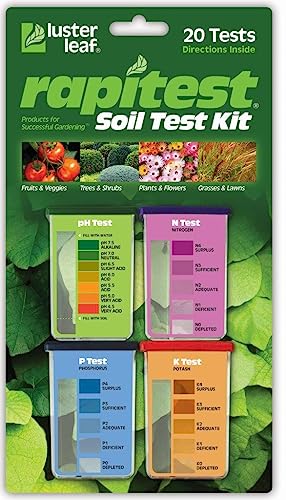
Quick, at home results for Soil pH, Nitrogen, Phosphorous and Potash Innovative and inexpensive soil test kit features an easy-to-use capsule system and patented color comparators

Accurate Soil pH Testing: Dewildetradingco Soil pH Test Strips offer measurements of soil pH levels (pH 3.5-9). As an essential tool for every gardener and grower, these test strips help determine the optimal pH for various plants, such as outdoor plants, indoor plants, gardens, grass lawns, fruit trees, flowers, vegetables, and forest shrubs.
Soil Requirements
For optimal growth, strawberries and raspberries thrive in well-draining, fertile soil with a slightly acidic pH level ranging from 5.5 to 6.5. Before planting, test your soil to determine its pH and nutrient levels. Amend the soil by incorporating organic matter such as compost or aged manure to improve its texture and fertility. Ensure proper drainage to prevent waterlogging, which can lead to root rot in both strawberry and raspberry plants.
Sunlight and Watering Needs
Both strawberries and raspberries require full sun exposure for at least 6-8 hours daily to produce abundant fruit. Choose a sunny location in your garden that receives ample sunlight throughout the day. When watering these plants, maintain consistent moisture levels in the soil without overwatering, as soggy conditions can invite diseases like mold and mildew. Consider using mulch around the plants to retain moisture and suppress weed growth while providing insulation during extreme temperatures.
By meeting the soil requirements and managing sunlight and watering needs effectively, you’ll create an ideal environment for planting strawberries and raspberries together in your garden.
Planting Strategies
When considering planting strawberries and raspberries together, it’s essential to pay attention to specific strategies for successful growth. Here are some key factors to keep in mind:
Recommended Products
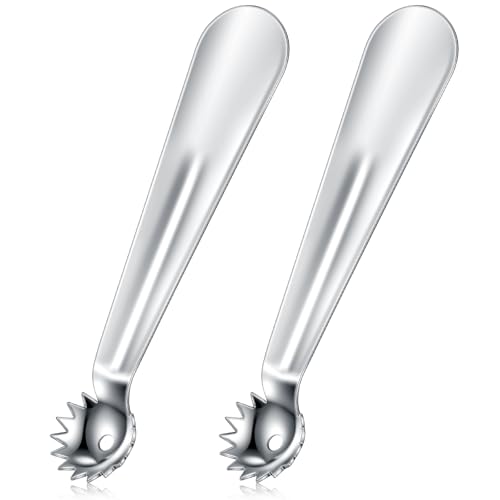
What You Will Get: you will get 2 strawberry hullers to effortlessly remove the cores of tomatoes and strawberries without mangling fruit

Beautiful - Large premium packet of Regina Alpine Strawberry (Fragaria vesca) seeds. A delightful treat for the senses, this plant produces small, aromatic berries with a rich, sweet flavor. This compact, perennial strawberry is perfect for borders or containers, boasting lush green foliage and a bounty of delightful fruit throughout the summer months. Minimum of 200 mg per packet (about 650 seeds).

It is very suitable for fixing plants to prevent wind blowing young melons
Spacing Considerations
Maintaining proper spacing between strawberry and raspberry plants is crucial for their overall health and productivity. Aim for a distance of at least 2 feet between each plant within the same row. This spacing allows adequate airflow, reduces the risk of fungal diseases, and ensures that each plant receives sufficient sunlight for optimal growth.
Timing for Planting
Planting strawberries and raspberries at the right time is vital to promote strong root development and maximize fruit production. Ideally, you should plant both fruits in early spring after the last frost has passed. This timing allows the plants to establish themselves before the growing season kicks into full gear, leading to healthier plants and a bountiful harvest later in the year.
By following these spacing considerations and planting timelines, you can create an ideal environment for your strawberries and raspberries to thrive together in your garden.
Ongoing Care and Management
When it comes to maintaining your strawberry and raspberry garden, there are key aspects you should focus on to ensure the health and productivity of your plants.
Recommended Products


SCIENTIFICALLY OPTIMIZED CATCH RATE – Don't settle for generic yellow. Our sticky rolls utilize a scientifically selected yellow wavelength proven to maximize the attraction and capture of economically damaging pests. This specific color is irresistible to whiteflies (Trialeurodes vaporariorum), aphids, and more, ensuring superior performance for early detection and population control in your greenhouse or garden.

SCIENTIFICALLY OPTIMIZED CATCH RATE – Don't settle for generic yellow. Our sticky rolls utilize a scientifically selected yellow wavelength proven to maximize the attraction and capture of economically damaging pests. This specific color is irresistible to whiteflies (Trialeurodes vaporariorum), aphids, and more, ensuring superior performance for early detection and population control in your greenhouse or garden.
Pest Management
To keep your strawberries and raspberries thriving together, it’s essential to stay vigilant against common pests that can harm your plants. Regularly inspect both types of berries for signs of aphids, spider mites, or caterpillars. You can introduce beneficial insects like ladybugs or lacewings to help control these pests naturally. Additionally, practicing good garden hygiene by removing any damaged or diseased leaves promptly can prevent pest infestations.
Fertilization and Pruning
Proper fertilization is crucial for the growth and fruit production of your strawberries and raspberries. Consider using a balanced fertilizer with equal parts nitrogen, phosphorus, and potassium to support healthy plant development. Apply the fertilizer according to the recommended dosage on the packaging but avoid over-fertilizing as it can lead to excessive foliage growth at the expense of fruit production.
When it comes to pruning, both strawberries and raspberries benefit from regular maintenance. For strawberries, remove old leaves and runners to encourage new growth and prevent overcrowding. Raspberries should be pruned annually by cutting back dead canes after they have finished fruiting. This practice promotes air circulation within the plant canopy, reducing the risk of diseases.
By staying proactive with pest management practices and providing adequate fertilization and pruning care, you’ll create an optimal environment for your strawberries and raspberries to flourish together in harmony in your garden.
Conclusion
You’ve learned about the benefits and challenges of planting strawberries and raspberries together. By understanding the advantages of pollination assistance, space optimization, natural pest control, and soil improvement, you can create a thriving garden. Remember to address potential issues like disease management, competitive growth, and harvest timing for successful companion planting. Prepare your garden properly by meeting soil requirements, ensuring optimal sunlight exposure, and managing watering needs efficiently. Implement planting strategies that consider spacing and ideal timing in early spring. With ongoing care such as pest management, fertilization with balanced nutrients, and proper pruning practices, you can create an environment where strawberries and raspberries flourish harmoniously side by side. Keep up with proactive pest control measures to enjoy a bountiful harvest from your combined berry patch!
Frequently Asked Questions
Can strawberries and raspberries be grown together in a garden?
Yes, strawberries and raspberries can be grown together in a garden to benefit from pollination assistance, space optimization, natural pest control, and soil improvement.
What are the advantages of companion planting strawberries and raspberries?
Companion planting these fruits helps with pollination, maximizes space usage, naturally controls pests, and enhances soil quality in the garden.
What challenges may arise when growing strawberries and raspberries together?
Challenges include disease management, competitive growth for resources like sunlight and nutrients, as well as coordinating harvest timing between the two fruits.
How should I prepare my garden for companion planting strawberries and raspberries?
Prepare your garden by ensuring proper soil conditions, providing adequate sunlight exposure, optimizing watering practices for both fruits to thrive harmoniously together.
What planting strategies should I consider for strawberries and raspberries?
Focus on optimal spacing between plants while considering early spring as an ideal time for planting both strawberries and raspberries for successful growth.
What ongoing care is needed for growing strawberries and raspberries together?
Regularly inspect plants for pests, introduce beneficial insects for pest management, provide balanced fertilization to promote healthy growth,
and implement appropriate pruning techniques to encourage fruit production.
