

Wondering what plants make the perfect companions for your raspberry patch? Imagine effortlessly enhancing the flavor and yield of your raspberries while creating a harmonious garden ecosystem. Picture a vibrant garden where each plant thrives alongside raspberries, benefiting from their presence. Curious to discover the secrets of successful companion planting with raspberries?
Key Takeaways
- Companion planting for raspberries involves strategically selecting plants that benefit each other when grown in close proximity.
- Pairing raspberries with compatible plant varieties can offer benefits like pest deterrence, pollination assistance, and enhanced soil health.
- Avoid planting raspberries near black walnuts or plants with competing root systems to prevent growth inhibition.
- Ideal companion plants for raspberries include garlic, chives, lettuce, borage, marigolds, nasturtiums, and calendula for various benefits such as pest repellence and pollinator attraction.
- Be mindful of competitive plants like blackberries and harmful combinations such as nightshades when planning your raspberry patch.
- Optimize raspberry companion planting by considering factors like well-drained soil, pH levels, organic matter incorporation, proper spacing, positioning of companion plants, and trellising support.
Understanding Companion Planting for Raspberries
Companion planting for raspberries involves strategically selecting plants that benefit each other when grown in close proximity. Here’s what you need to know about this gardening practice.
Benefits of Choosing the Right Companions
Pairing raspberries with compatible plant varieties can offer several advantages. For example, planting chives near raspberries can deter pests due to their strong scent, while marigolds can attract beneficial insects that help pollinate raspberry flowers. Additionally, growing strawberries alongside raspberries can enhance soil health by alternating nutrient uptake patterns, leading to healthier plants and increased yields.
Potential Pitfalls to Avoid
While companion planting has many benefits, it’s essential to avoid certain combinations that may hinder raspberry growth. For instance, planting raspberries near black walnuts can inhibit their growth as black walnut trees release a toxin called juglone that is harmful to many plant species, including raspberries. Similarly, avoid pairing raspberries with plants that have competing root systems or require vastly different soil conditions to prevent stunted growth and reduced fruit production.
Best Companion Plants for Raspberries
When selecting companion plants for your raspberry patch, it’s essential to consider options that will benefit the raspberries and promote their growth. Here are some ideal companion plants that can enhance the health and yield of your raspberry bushes:
Recommended Products

Fast Seed Germination: Garlic chives seeds for planting sprout in about 7-14 days with moisture and warmth; sow 1/4 inch deep after last frost in full sun to part shade in herb garden.

HARDY PERENNIAL HERBS - Common chives (Allium schoenoprasum) and garlic chives (Allium tuberosum) are easy to grow from seed, forming compact clumps with edible leaves and garden-friendly blooms.
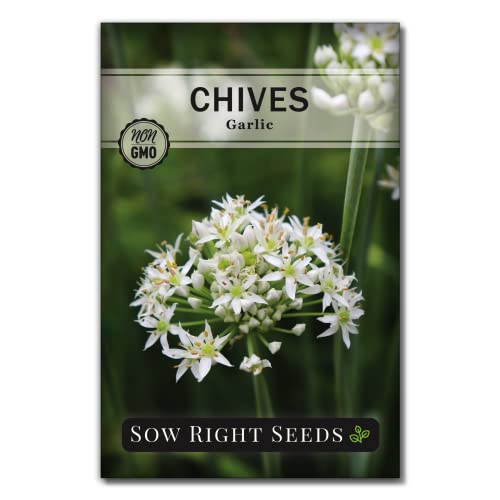
Beautiful - Large color packet of Garlic Chives (Allium Tuberosum) seeds for planting. Garlic chive, also called Chinese Chives or Leeks, is a hardy perennial with flat, grass-like leaves that have a mild garlic flavor. Grows well in pots and indoors or outdoors and produces beautiful white flowers. Minimum of 250 mg per packet (about 100 seeds).
Vegetables and Herbs
- Garlic: Planting garlic near raspberries can help deter common pests like aphids due to its strong aroma.
- Chives: Chives are excellent companions for raspberries as they repel Japanese beetles and carrot rust flies, protecting the raspberry bushes from potential damage.
- Lettuce: Growing lettuce alongside raspberries can provide ground cover, helping retain moisture in the soil and regulate temperature.
- Borage: Borage is a beneficial herb to plant near raspberries as it attracts pollinators like bees, enhancing fruit set in raspberry plants.
- Marigolds: Marigolds are known for their ability to attract beneficial insects such as ladybugs and hoverflies that feed on harmful pests, contributing to a healthier environment for raspberries.
- Nasturtiums: Nasturtiums not only add beauty to your garden but also act as natural pest repellents by deterring aphids, squash bugs, and whiteflies away from raspberry plants.
- Calendula: Calendula flowers serve multiple purposes in a raspberry patch by attracting pollinators, suppressing nematodes in the soil, and adding vibrant color to the garden landscape.
By strategically choosing these companion plants for your raspberry patch, you can create a harmonious environment that promotes growth while naturally managing pests and enhancing overall productivity without the need for chemical interventions.
Plants to Avoid Near Raspberries
When planning your raspberry patch, it’s crucial to be mindful of the plants you choose to grow alongside your raspberries. Some plants may compete for resources or even have harmful effects on the growth and health of your raspberry bushes. Here are some considerations to keep in mind:
Recommended Products

3-IN-1 PLANT CARE: 3-In-1 Insect, Disease & Plant Mite Control provides insect control, disease control, and plant mite control all in one; Rainproof protection starts in 4 hours and lasts up to 14 days

Supports Healthy Growth & Strong Roots – This raspberry plant fertilizer promotes deep root development, lush foliage, and overall plant strength.
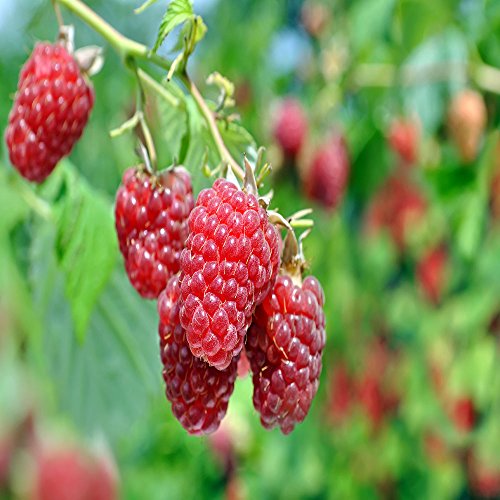
Sweet - Thornless - High Yielding
Competitive Plants
Planting competitive plants near raspberries can negatively impact their growth by competing for essential nutrients, water, and sunlight. These competitive plants may overshadow the raspberries or have extensive root systems that encroach on their space. To ensure optimal growth for your raspberry bushes, avoid planting aggressive growers like blackberries or vigorous herbs such as mint in close proximity.
Harmful Combinations
Certain plant combinations can have detrimental effects on raspberries due to allelopathy, where one plant releases compounds that inhibit the growth of another. For raspberries, it’s best to steer clear of planting members of the nightshade family, such as tomatoes, potatoes, and eggplants nearby. These plants produce chemicals that could hinder the development of your raspberry bushes.
By being selective in your choice of companion plants and avoiding those that pose competition or potential harm, you can create a conducive environment for your raspberries to thrive and yield bountiful harvests.
Tips for Optimizing Raspberry Companion Planting
When considering companion planting for your raspberry patch, there are key factors to keep in mind to ensure optimal growth and productivity. By following these tips, you can create a harmonious environment that benefits your raspberry bushes.
Recommended Products

Accurate Soil pH Testing: Dewildetradingco Soil pH Test Strips offer measurements of soil pH levels (pH 3.5-9). As an essential tool for every gardener and grower, these test strips help determine the optimal pH for various plants, such as outdoor plants, indoor plants, gardens, grass lawns, fruit trees, flowers, vegetables, and forest shrubs.


Comprehensive Soil Analysis: Liquid soil test kits offer a comprehensive analysis of essential soil parameters, including pH, ammonia, nitrogen, phosphorus, and potassium. Having all these measurements in one kit provides a holistic understanding of the soil's fertility and health.
Soil Considerations
To maximize the growth of your raspberries and their companion plants, it’s crucial to pay attention to soil quality. Here are some soil considerations to optimize your raspberry companion planting:
- Well-Drained Soil: Ensure that the soil is well-drained as raspberries thrive in moist but not waterlogged conditions.
- pH Levels: Aim for slightly acidic soil with a pH range between 5.5 and 6.5 for ideal raspberry growth.
- Organic Matter: Incorporate organic matter like compost into the soil to improve its structure and fertility.
- Mulching: Mulch around the plants to retain moisture, suppress weeds, and provide essential nutrients over time.
Spacing and Positioning
Proper spacing and positioning of companion plants play a vital role in maximizing their benefits while avoiding competition among them. Follow these guidelines for optimal spacing and positioning:
- Plant Distance: Space raspberry plants at least 2-3 feet apart to allow air circulation and prevent overcrowding.
- Companion Plant Placement: Position companion plants strategically around raspberries based on their beneficial properties such as pest repellent or pollinator attraction.
- Trellising Support: If growing vertically, ensure proper trellising support for both raspberries and their companion plants to prevent overcrowding and facilitate maintenance.
By paying attention to soil considerations, spacing, and positioning when implementing raspberry companion planting, you can create an ecosystem that fosters healthy growth while reaping the benefits of diverse plant interactions in your garden.
Conclusion
You’ve learned about the art of companion planting to boost your raspberry patch’s vitality. By strategically selecting companions like garlic, chives, lettuce, borage, marigolds, nasturtiums, and calendula, you can deter pests and enrich soil quality. Remember to steer clear of competitive plants like blackberries and potent herbs such as mint near your raspberries. Be cautious of planting nightshade family members nearby due to potential allelopathy effects. Optimizing soil conditions by considering drainage, pH levels, organic matter content, and mulching is key for successful raspberry growth. Pay attention to proper spacing, companion plant placement, and providing trellising support for a thriving ecosystem that promotes robust raspberry bushes with higher yields.
Frequently Asked Questions
What is companion planting for raspberry patches?
Companion planting involves strategically selecting plants to grow near raspberries to benefit growth and productivity.
Which plants are good companions for raspberries?
Good companion plants for raspberries include garlic, chives, lettuce, borage, marigolds, nasturtiums, and calendula.
Why are these specific companion plants beneficial?
These companion plants can repel pests, attract pollinators, and improve soil health in raspberry patches.
What should be avoided when companion planting with raspberries?
Avoid planting competitive plants like blackberries or vigorous herbs such as mint near raspberries.
Why is it important to avoid nightshade family members near raspberries?
Nightshade family members can have allelopathy effects on raspberry bushes, impacting their growth negatively.
How can I optimize raspberry companion planting for best results?
Consider factors like soil drainage, pH levels, organic matter content, mulching practices, proper spacing of plants, positioning of companions around raspberries, and providing trellising support.
