

Ever wondered how you can enjoy the sweet taste of homegrown raspberries, even if you have limited space? Picture this: You’re craving a handful of fresh raspberries to elevate your morning yogurt or top off a dessert, but the nearest grocery store is miles away. What if you could step outside and harvest your own juicy berries right from a pot on your patio?
In this article, I’ll show you the simple steps to plant raspberries in a pot, bringing the joy of growing your own fruit within easy reach. No need for a vast garden or specialized equipment – with just a bit of know-how and enthusiasm, you can cultivate delicious raspberries in containers right at home. Get ready to savor the satisfaction of nurturing these vibrant fruits from tiny seeds to bountiful harvests.
Key Takeaways
- Choose a pot that is at least 20 inches in diameter and depth for raspberry plants to thrive.
- Opt for terracotta or plastic pots based on your local climate and watering habits.
- Select compact raspberry varieties like ‘Raspberry Shortcake’ or ‘Baby Cakes’ for container growth.
- Create a well-draining soil mix with potting soil, compost, and perlite/sand for optimal raspberry growth.
- Plant raspberries in pots during early spring or fall, providing them with at least 6-8 hours of sunlight daily.
- Regularly monitor moisture levels, prune dead canes, and inspect for pests to maintain healthy potted raspberry plants.
Choosing the Right Pot for Raspberries
When planting raspberries in pots, selecting the appropriate container is crucial for the success of your plants. Here are some essential factors to consider when choosing the right pot for your raspberry bushes:
Recommended Products

Package Includes: 15 Pcs Flower Pot Tapered Mesh Gasket ( 3 Different Sizes: 5x4.33in, 5x2.91in, 5x2.28in )
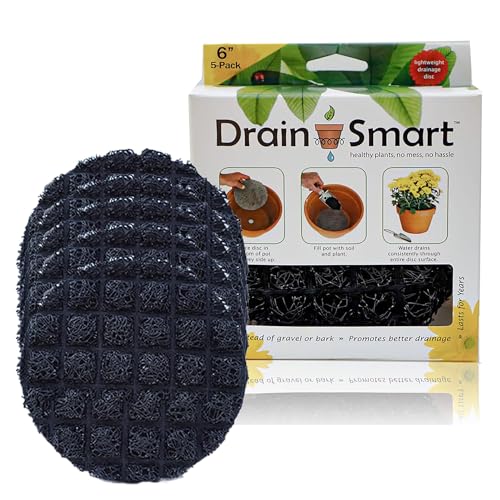
MADE IN THE USA — BUILT TO LAST - Drain Smart drainage discs are proudly made in the USA using a rigid 3D mesh design intended for long-term use. No flimsy imports, no cracking, no collapsing.

【Package include】40 packs = 25 small + 15 large. The cone bonsai mesh pad is used to place on the bottom of the ceramic basin or flower pot which has small holes,it minimizes soil from migrating out of the pot drain hole keeping your deck,house,or table clean.
Size and Material Considerations
Opt for a pot that is at least 20 inches in diameter and depth to accommodate the extensive root system of raspberry plants. A larger container provides ample space for growth and prevents overcrowding, leading to healthier plants and better yields.
When it comes to materials, opt for durable options like terracotta or plastic. Terracotta pots are breathable, allowing excess moisture to evaporate, while plastic containers retain moisture better. Choose a material based on your local climate and watering habits to ensure proper drainage and hydration levels for your raspberries.
Proper Drainage Essentials
Ensure that your chosen pot has adequate drainage holes at the bottom to prevent waterlogging, which can lead to root rot. Additionally, consider elevating the pot slightly using bricks or pot feet to allow excess water to flow out freely.
To improve drainage further, place a layer of small stones or broken pottery pieces at the bottom of the pot before adding soil. This helps create air gaps and prevents water from accumulating around the roots of your raspberry plants.
By carefully selecting a suitable pot size and material with proper drainage features, you set your raspberry bushes up for healthy growth and abundant fruit production in a container gardening setting.
Selecting Raspberry Varieties for Pot Planting
When it comes to planting raspberries in pots, choosing the right variety is crucial for successful growth. Here’s what you need to know about selecting raspberry varieties for pot planting:
Recommended Products

1 Live Plant in Container fully rooted in soil and can be planted immediately upon arrival, weather permitting.


Fragrant Flowers: Bloom blossoms that provide precious nectar for pollinators like bees, creating your own romantic orchard with heavy fruit and rich flavor
Best Varieties for Container Growth
For container gardening, consider compact raspberry varieties that thrive in confined spaces. Some excellent choices include:
- ‘Raspberry Shortcake’: This dwarf raspberry bush is perfect for pots and produces sweet fruit.
- ‘Baby Cakes’: A thornless variety ideal for small containers, yielding flavorful berries.
- ‘Raspberry Yummy’: Known for its high yield and delicious taste, this variety adapts well to pot cultivation.
These compact raspberry varieties are not only suitable for limited spaces but also ensure a bountiful harvest of delectable berries.
Understanding Berry Size and Flavor
When selecting raspberry varieties for pot planting, consider the size and flavor of the berries each type offers. Different varieties may vary in berry size from small to large and in flavor from tangy to sweet.
For instance, if you prefer larger berries with a sweeter taste, ‘Heritage’ raspberries might be an excellent choice. On the other hand, if you enjoy tangy flavors and smaller fruits, ‘Fall Gold’ raspberries could be more appealing to your palate.
Understanding the characteristics of different raspberry varieties will help you choose plants that align with your preferences and ensure a fruitful growing experience in your pots.
Preparing the Pot and Soil
When planting raspberries in a pot, preparing the container and soil correctly is crucial for the success of your plants. Here’s how to ensure you set them up for optimal growth:
Ideal Soil Mix for Raspberries
For raspberries to thrive in pots, they require a well-draining soil mix that provides essential nutrients. You can create an ideal soil mix by combining equal parts of high-quality potting soil, compost, and perlite or sand. This blend ensures proper drainage while retaining enough moisture for healthy raspberry growth.
Adding Fertilizers and Amendments
To promote vigorous growth and abundant fruit production, consider adding organic fertilizers and soil amendments to your raspberry potting mix. Organic options like compost, aged manure, or fish emulsion are excellent choices as they provide slow-release nutrients essential for the plants’ development. Additionally, incorporating amendments such as bone meal or blood meal can enhance the soil’s fertility, supporting robust raspberry bushes in your container garden.
By preparing a suitable pot with the right soil mix enriched with fertilizers and amendments, you’re setting the stage for successful raspberry cultivation in containers. Remember to regularly monitor moisture levels and adjust your care routine based on your plants’ needs for a fruitful harvest of delicious raspberries at home.
Planting Techniques for Raspberries
When planting raspberries in a pot, understanding the timing and positioning of your plants is crucial for their growth. Here’s how you can ensure successful cultivation:
Timing and Positioning of Plants
Plant your raspberries in pots during the early spring or fall to provide them with optimal growing conditions. Ensure that the pots receive at least 6-8 hours of sunlight daily, as raspberries thrive in full sun. Placing the pots strategically where they get ample sunlight will promote healthy growth and fruit development.
Tips for Plant Spacing in Pots
To maximize raspberry growth in pots, space your plants adequately to prevent overcrowding. It’s recommended to plant one raspberry bush per 12-18 inch (30-45 cm) diameter pot to allow sufficient room for root development and airflow. Proper spacing not only promotes healthier plants but also facilitates easier maintenance and harvesting.
Maintenance and Care
Taking care of your potted raspberry plants is essential to ensure healthy growth and a bountiful harvest. Here’s how you can effectively maintain and care for your raspberries in pots:
Recommended Products
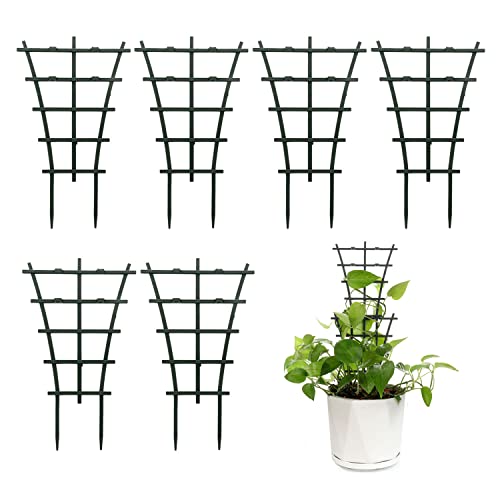
【Upgarded New Version】Our plant trellis is upgraded with high quality new material, increase the weight by 31%, reinforced to be more sturdier, providing stronger support for your potted plants

Unique Design: Our potted plant trellis for climbing plants designed specifically to be superimposed, and easy to adjust as the plants grow; The mini garden trellis give your climbing plants the support they need to grow their best

High-quality material: Our tomato twist stake trellis is made of high-quality steel wire with coating on the surface, smooth to the touch, and not easy to rust after long-term use. Sturdy steel wire is not easy to break and bend, enough to provide stable support for plants
Watering Requirements
Watering your potted raspberry plants correctly is crucial for their overall health. Make sure to:
- Monitor Moisture Levels: Check the soil regularly by inserting your finger into the pot up to the second knuckle. Water the plant when the top inch of soil feels dry.
- Avoid Overwatering: Raspberries prefer slightly moist soil but can suffer from root rot if overwatered. Ensure proper drainage in your pots to prevent waterlogging.
- Deep Watering: When watering, ensure that the water reaches deep into the roots to encourage strong growth.
Pruning and Supporting Raspberry Plants
Pruning and supporting your raspberry plants help maintain plant health, promote fruit production, and prevent overcrowding. Follow these tips:
- Regular Pruning: Trim dead or damaged canes in late winter or early spring to stimulate new growth. Remove any weak or diseased canes as well.
- Training Canes: Use stakes or trellises to support raspberry canes, especially if growing taller varieties like black raspberries. This helps keep the plants upright and makes harvesting easier.
- Thinning Out Canes: Thin out excessive canes to improve airflow within the plant, reducing the risk of diseases such as powdery mildew.
Common Challenges and Solutions
Dealing with challenges in growing raspberries in pots is a common concern, but with the right strategies, you can overcome them effectively.
Managing Pests and Diseases
To protect your potted raspberry plants from pests and diseases, inspect them regularly for any signs of trouble. Common pests like aphids can be managed by spraying a solution of water and dish soap on the leaves. For fungal diseases, ensure good air circulation around the plant by spacing pots adequately. Neem oil can also be used as a natural remedy to combat various diseases while being safe for your plants.
Overcoming Space Limitations
When facing space constraints for your potted raspberries, consider using trellises or stakes to support vertical growth. This method not only maximizes space utilization but also promotes better airflow around the plants, reducing the risk of diseases. Additionally, you can opt for dwarf raspberry varieties that are specifically bred to thrive in confined spaces while still yielding delicious fruits.
By taking proactive measures against pests and utilizing innovative solutions for limited space, you can enjoy a bountiful harvest of raspberries from your container garden without major setbacks.
Conclusion
You’ve now learned all the ins and outs of planting raspberries in pots. From soil preparation to pest management, you’re equipped with the knowledge to nurture your raspberry plants effectively. Remember to provide ample sunlight, water diligently, and prune regularly for a bountiful harvest. Overcoming space constraints is possible with trellises or dwarf varieties. By taking these steps, you can enjoy fresh raspberries straight from your container garden. Happy planting!
Frequently Asked Questions
Can raspberries be grown in pots?
Yes, raspberries can be successfully grown in pots by choosing the right container size, using well-draining soil, and providing adequate sunlight and water.
What are the essential tips for growing raspberries in pots?
Essential tips include selecting a large enough pot, using nutrient-rich soil, ensuring good drainage, placing in a sunny location, keeping consistent moisture levels, and regular pruning.
How should I fertilize potted raspberry plants?
Fertilize potted raspberry plants with a balanced fertilizer high in nitrogen in early spring and again after fruiting to promote healthy growth and fruit production.
How do I manage pests when growing raspberries in pots?
Manage pests by regularly inspecting plants for signs of infestation, using natural remedies like neem oil or insecticidal soap, and practicing good garden hygiene.
Can I grow dwarf raspberry varieties in small spaces?
Yes, dwarf raspberry varieties are ideal for small spaces as they require less room to grow and can even thrive on patios or balconies.
