

Have you ever wondered if you could grow your own kiwi plant from store-bought fruit? Picture this: you’re enjoying a delicious kiwi, and a thought crosses your mind – “Can I actually grow a kiwi plant from the seeds of this fruit?” The good news is, you might just be able to do that!
In this article, we’ll explore the exciting possibility of growing your own kiwi plant from store-bought fruit. Imagine the satisfaction of nurturing a plant from a simple grocery purchase and eventually harvesting your very own homegrown kiwis. This guide will walk you through the steps and tips to help you successfully cultivate a kiwi plant right in your own backyard.
Get ready to embark on a rewarding journey of growing your own kiwi plant from store-bought fruit. Let’s dive into the fascinating world of gardening and discover the joy of cultivating your own fresh, delicious kiwis at home.
Key Takeaways
- Growing kiwi plants from store-bought fruit is not only possible but also rewarding, offering the satisfaction of harvesting your own fresh, delicious kiwis at home.
- Choosing ripe kiwi fruits and extracting the seeds carefully are essential steps to kick-start your kiwi growing journey.
- Providing a suitable planting environment with proper moisture and sunlight, along with regular nurturing, is crucial for successful germination and growth of kiwi seeds.
- Understanding the viability of kiwi seed germination, testing seed viability, and following best practices can significantly increase your chances of successful plant growth.
- Proper planting, support, watering, feeding, pruning, and patience are key elements in caring for kiwi plants, leading to healthy growth and fruit production.
- Identifying and addressing common issues like slow germination, poor seed quality, inadequate growing conditions, pest infestation, and disease management is vital in ensuring the success of growing kiwis from store-bought fruit.
Exploring the Potential: Growing Kiwi from Store Bought Fruit
When it comes to growing kiwi from store-bought fruit, the process is not only possible but also rewarding. With the right steps, you can nurture a thriving kiwi plant in your own backyard, leading to the delightful experience of harvesting fresh, homegrown kiwis. Here’s how you can explore this exciting potential:
Choosing the Right Kiwi Fruit
To kickstart your kiwi growing journey, begin by selecting a ripe kiwi fruit from your local grocery store. Look for a fruit that is plump, fragrant, and free from bruises or blemishes. These qualities indicate the fruit’s viability for seed extraction.
Extracting the Seeds
Once you have your kiwi fruit, it’s time to extract the seeds for planting. Cut the kiwi in half and scoop out the flesh, being careful not to damage the seeds. Rinse the seeds gently to remove any remaining pulp before air-drying them on a paper towel.
Preparing the Planting Environment
Prepare a suitable planting environment for your kiwi seeds. Use a well-draining potting mix in a container with drainage holes to plant the seeds. Ensure the soil is moist but not waterlogged, as kiwi seeds require adequate moisture to germinate successfully.
Planting and Nurturing the Seeds
Plant the kiwi seeds about half an inch deep in the soil, then cover them lightly. Place the container in a warm, sunny location, ensuring it receives indirect sunlight. Keep the soil consistently moist and watch for sprouting, which can take several weeks.
Transferring Seedlings Outdoors
Once your kiwi seedlings have developed a few sets of leaves, they are ready to be transplanted outdoors. Choose a sunny spot with well-draining soil for planting. Provide support for the young vines as they grow, and water them regularly to promote healthy growth.
Patience and Care
Growing kiwi from store-bought fruit requires patience and consistent care. Monitor the plants for pests, water them regularly, and provide proper support as they mature. With time and dedication, you can enjoy the fruits of your labor by harvesting delicious kiwis from your own backyard.
Understanding the Viability of Kiwi Seed Germination
When considering germinating kiwi seeds from store-bought fruit, it’s essential to understand the viability of this process. Here, we delve into the key factors that influence the successful germination of kiwi seeds to help you navigate this rewarding journey seamlessly.
Recommended Products

Pro Grow Lights with Advanced Chips: Equipped with 56 high-efficiency beads per tray, these LED strips simulate natural sunlight for optimal seedling growth. Adjustable brightness and timer functions let you customize lighting for every plant stage, promoting faster, healthier growth—perfect for herbs, flowers, and more

SEED CONTENTS: Includes 100 golden kiwi seeds for starting your own vines. This planting project begins with seed, rather than an established fruiting plant.

ALL-IN-ONE SEED STARTING KIT: Includes 36 peat pellets, reusable plastic tray, and humidity dome for a complete indoor seedling starter kit experience
Determining Seed Viability
To kickstart your kiwi seed germination project, you need to ensure that the seeds are viable. The viability of kiwi seeds can vary based on several factors such as the fruit’s freshness, storage conditions, and genetic variability. Here’s how you can assess the viability of kiwi seeds:
- Freshness of the Fruit: Opt for ripe kiwi fruits from the store as they are more likely to contain viable seeds.
- Storage Conditions: Seeds stored in optimal conditions are more likely to be viable. Ensure the fruit hasn’t been subjected to extreme temperatures or moisture.
- Genetic Variability: Different kiwi varieties may have varying seed viability rates. Consider the species of kiwi fruit you are using for seed extraction.
Testing Seed Viability
To test the viability of kiwi seeds before germinating them, you can conduct a simple seed viability test. One method is the float test, where viable seeds sink in water, while non-viable ones float. By performing this test, you can determine which seeds are most likely to germinate successfully.
Enhancing Germination Success
To enhance the chances of successful germination, it’s crucial to follow best practices when planting kiwi seeds. Here are some tips to increase your germination success rate:
- Seed Preparation: Soak the seeds in water for a few hours before planting to soften the outer coating and aid germination.
- Optimal Growing Conditions: Provide a warm and moist environment for the seeds to sprout. Consider using a seedling heat mat to maintain the ideal germination temperature.
- Patience and Monitoring: Germinating kiwi seeds can take time, ranging from a few weeks to several months. Ensure consistent moisture levels and monitor the seedlings’ growth progress regularly.
By understanding the viability of kiwi seed germination and following these tips, you’ll be better equipped to embark on a successful journey of growing kiwi plants from store-bought fruit. Stay patient, attentive, and watch as your efforts blossom into fresh, homegrown kiwis in the future.
Kiwi Plant Care: From Seedling to Fruit-Bearing Vine
Recommended Products

Support for Tall Plant: This trellis kit provides 7.87” support for your tomatoes, peppers and more

🌑[Plant Growth Support]:Garden plant trellis are committed to helping your indoor for potted plants and adds to the natural beauty. As plants grow, the houseplant trellis takes the form of a ladder to help your plant climbing and growing.

Enhance Your Garden Setup: The Trim Daddy Trellis System Support Kit is the ideal solution for maximizing the potential of your raised garden bed. Designed to work seamlessly with industry-grade growing trays, our customizable kits provide essential support for your plants as they thrive.
Planting Kiwi Seedlings:
When starting your kiwi plant journey, it’s crucial to choose healthy and robust seedlings. Look for seedlings with well-developed roots and sturdy stems. Once you have your seedlings, select a sunny spot in your garden or a large container if you’re growing them indoors. Make sure the soil is well-draining and rich in nutrients. Plant the seedlings carefully, ensuring the roots are spread out and covered with soil. Water them gently after planting to help them settle into their new environment.
Providing Adequate Support:
Kiwi plants are vigorous climbers and need sturdy support as they grow. Install a trellis or a strong support system to allow the vines to climb and spread out. As the plant grows, train the vines along the support structure to help them grow upright and prevent tangling. Regularly check the ties and supports to ensure they can withstand the weight of the growing vine and fruit.
Watering and Feeding:
Kiwi plants require consistent watering, especially during hot and dry periods. Keep the soil moist but not waterlogged to prevent root rot. Mulch around the base of the plant to retain moisture and suppress weeds. Fertilize your kiwi plant with a balanced fertilizer in early spring and mid-summer to promote healthy growth and fruit development. Follow the manufacturer’s instructions for the appropriate application method and dosage.
Pruning for Productivity:
Pruning is essential for maintaining the health and productivity of your kiwi plant. In late winter when the plant is dormant, prune back any dead or damaged branches. Thin out the canopy to allow sunlight to reach all parts of the plant. Pruning helps improve air circulation, reduces the risk of disease, and encourages fruit production. Avoid over-pruning, as this can stress the plant and impact fruiting.
Harvesting Kiwi Fruit:
Patience is key when waiting for your kiwi plant to bear fruit. Most kiwi varieties take a few years to start producing fruit. Once the fruit reaches maturity, they are typically ready for harvest in the fall. Kiwis should be picked when firm but slightly soft to the touch. Twist them gently off the vine, being careful not to damage other fruit or the plant. Store harvested kiwis in a cool, dry place or the refrigerator for extended freshness.
Troubleshooting Common Issues in Growing Kiwi from Store Bought Fruit
Identifying Potential Problems:
When growing kiwi from store-bought fruit, it’s essential to be aware of common issues that may arise during the process.
Slow or Lack of Germination:
If you notice that the seeds from the store-bought kiwi fruit are not germinating as expected, several factors could be hindering their growth. It’s crucial to ensure that the seeds are fresh and viable. Make sure the fruit you obtained the seeds from was ripe and healthy to increase the likelihood of successful germination.
Poor Seed Quality:
The quality of the seeds obtained from store-bought kiwi fruit can significantly impact germination success. If you are facing challenges with seed germination, try conducting a simple viability test. Place the seeds in a damp paper towel inside a plastic bag and keep them in a warm location. Check regularly for any signs of germination to determine the viability of the seeds.
Inadequate Growing Conditions:
In some cases, the failure to grow kiwi plants from store-bought fruit may be due to inadequate growing conditions. Ensure that the seeds are planted in well-draining soil with proper moisture levels. Kiwi plants thrive in full sun and require regular watering, especially during the growing season. Lack of sunlight or overwatering can hinder plant growth and development.
Pest Infestation:
Pests can pose a significant threat to kiwi plants grown from store-bought fruit. Keep an eye out for common pests such as aphids, spider mites, and caterpillars that can damage the plants. Implementing preventive measures like using insecticidal soap or introducing beneficial insects can help control pest infestations and protect your kiwi plants.
Disease Management:
Kiwi plants are susceptible to various diseases that can affect their overall health and growth. Watch out for signs of fungal infections, bacterial diseases, or viral pathogens. Proper sanitation practices, regular inspection of plants, and prompt treatment of any disease symptoms can help prevent the spread of diseases and ensure the longevity of your kiwi plants.
Recommended Products
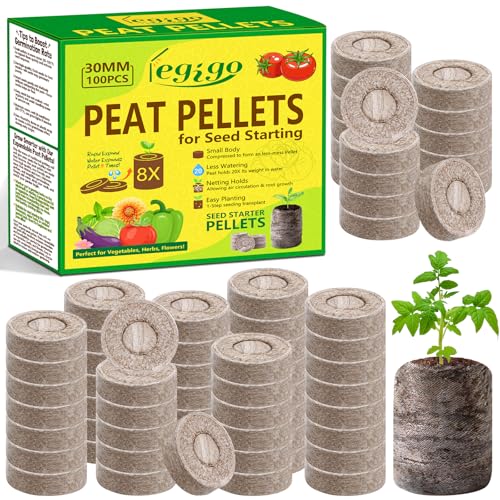
What You Get: Each package includes 100 pcs of 30 mm peat pellets. Just add water, and the seed starter soil will rapidly expand to 8x their original size, forming individual seedling pots. No messy soil prep required, simply place seeds to start growing. Ideal for starting multiple seeds and seedlings, the ample quantity meets daily seedling-growing needs, making seed germination a breeze

Advanced Terra Gel Technology: Our seedling germination trays utilize advanced plant tissue culture technology, which boasts a high success rate, boosts seed germination, shortens germination time, and is contamination free.

Package Includes 40 pack seed starter trays (12 cells per tray) and 40 plastic plant labels for marking the seeds in your peat pots
Harvesting and Enjoying the Fruits of Your Labor
After nurturing your kiwi plant from a store-bought fruit successfully, you’re now approaching the rewarding stage of harvesting and enjoying your homegrown kiwi fruits. Here’s what you need to know to maximize the joy of your labor:
Monitoring Fruit Ripeness
When it comes to harvesting kiwis, it’s essential to wait for the fruits to ripen fully on the vine. This ensures optimal sweetness and flavor. How can you tell if your kiwis are ready to be picked? Check for a slight softness when gently squeezed. If they give in lightly, they’re ripe and ready to be harvested.
Harvesting Techniques
To harvest ripe kiwis, use sharp shears to cut the fruit from the vine carefully. Leave a small section of the stem attached to the fruit; this helps prolong its shelf life. Handle the fruits gently to avoid damaging them during harvesting.
Post-Harvest Care
After harvesting, store the kiwis at room temperature for a few days to ripen further. Once ripe, place them in the refrigerator to prolong their freshness. Kiwis can last up to a few weeks when stored correctly.
Enjoying Your Homegrown Kiwis
There are various ways to relish the fruits of your labor. You can enjoy fresh kiwis as a snack, add them to fruit salads, use them in smoothies, or even incorporate them into desserts like tarts and cakes. The possibilities are endless!
Sharing Your Harvest
If your kiwi plant produces a bountiful harvest, consider sharing your fruits with friends and family. Sharing the fruits of your labor can spread joy and appreciation for homegrown produce.
Continued Care of Your Kiwi Plant
Even after harvesting, your kiwi plant requires ongoing care to ensure its health and future fruit production. Continue to provide proper support, water, feed, prune, and monitor for pests and diseases to maintain a thriving kiwi vine.
Harvesting and enjoying your homegrown kiwis is a culmination of your efforts in growing a plant from a store-bought fruit. With care and attention, you can savor the delicious fruits while relishing the satisfaction of a successful home-growing experience.
Conclusion
Growing kiwi from store-bought fruit is a rewarding journey that starts with selecting the right seeds and providing optimal growing conditions. By ensuring seed viability, monitoring pests, and managing diseases, you set the stage for a successful harvest. From nurturing seedlings to enjoying ripe kiwis, each step requires attention and care. Remember, patience is key as you watch your plant grow and bear fruit. Harvesting, post-care, and sharing your homegrown kiwis with others add to the joy of the process. With dedication and proper care, you can experience the satisfaction of seeing your efforts flourish into delicious fruits. Keep nurturing your kiwi plant post-harvest for future bountiful harvests. Happy growing!
Frequently Asked Questions
How can I successfully grow a kiwi plant from store-bought fruit?
To grow a kiwi plant from store-bought fruit, select fresh, ripe kiwis with viable seeds. Extract the seeds and follow proper germination techniques for best results.
What factors influence successful germination of kiwi seeds?
Freshness of the fruit, genetic variability of the seeds, and proper growing conditions like temperature and moisture levels greatly influence successful germination of kiwi seeds.
What tips can enhance the germination success of kiwi seeds?
To enhance germination success, perform a seed viability test, provide consistent moisture and warmth, and consider scarification or stratification techniques for stubborn seeds.
How can I troubleshoot slow germination of kiwi seeds?
Slow germination may result from poor seed quality, inadequate growing conditions, or improper pest and disease management. Ensure optimal conditions for quicker germination.
What are common issues faced during the growth of kiwi plants at home?
Common issues include slow germination, poor seed quality, inadequate growing conditions, pest infestation, and disease management. Regular monitoring and care can address these challenges.
What steps are crucial for successful kiwi plant growth at home?
Using fresh and viable seeds, ensuring proper growing conditions, monitoring for pests, and managing diseases are crucial steps for successful kiwi plant growth at home.
What care practices are necessary from seedling to fruit-bearing vine?
Care practices include selecting healthy seedlings, providing structural support, watering consistently, feeding appropriately, pruning when needed, and patiently waiting for ripe fruits to harvest.
How should ripe kiwis be harvested and cared for post-haintenance?
Harvest ripe kiwis carefully, store them in a cool, dry place, and consume them fresh or in various dishes. Continue to care for the plant post-harvest to ensure future fruit production.
How can I enjoy the fruits of successful home-growing efforts with kiwis?
Enjoy homegrown kiwis in various ways – eat them fresh, add them to smoothies or fruit salads, use them in desserts, or share the harvest with family and friends.
