

Have you ever wondered if one single pear tree can bear fruit all on its own? If you’ve planted a pear tree in your yard, you might be excited about the prospect of fresh fruit but also a bit unsure about how it works. It’s a common question among new gardeners and fruit enthusiasts alike.
In this article, you’ll learn about the factors that influence fruit production in pear trees. You’ll discover whether your lone tree can thrive and produce those delicious pears you’re dreaming of. By the end, you’ll have a clearer understanding of what it takes to enjoy a fruitful harvest, even from just one tree.
Key Takeaways
- Most pear trees are self-infertile and require another compatible pear tree for effective cross-pollination to produce fruit.
- Planting at least two different varieties within close proximity enhances fruit yield and ensures successful pollination, especially if they bloom simultaneously.
- Young pear trees typically take 4 to 6 years to bear fruit, while mature trees produce more reliably at around 8 years or older.
- Adequate care, including proper watering, fertilization, and pruning, is essential for maximizing fruit production and overall tree health.
- Pear trees require full sunlight and thrive best with at least 6 to 8 hours of sun per day to promote healthy growth and fruiting.
- Be mindful of pests and diseases such as pear psylla and fire blight, and practice regular maintenance to keep your tree healthy and productive.
Understanding Pear Trees
Pear trees belong to the genus Pyrus and thrive in temperate climates. They can grow up to 40 feet tall, but most home gardeners keep them smaller through pruning. Common varieties include Bartlett, Bosc, and Anjou, each producing distinct flavors and textures.
Pollination Needs
Pollination plays a crucial role in fruit production. Most pear trees are self-infertile, meaning they require another tree for cross-pollination. Planting at least two varieties within proximity—ideally 50 feet or closer—enhances fruit yield.
Factors Affecting Fruit Production
Several factors influence the ability of a pear tree to produce fruit:
- Age: Young trees, especially those under four years, often focus on growth. Expect fruit as the tree matures.
- Health: Fertile soil, adequate water, and regular maintenance keep trees robust. Fertilize with a balanced fertilizer in spring.
- Sunlight: Pear trees thrive in full sun. Ensure they receive at least six to eight hours of sunlight daily.
- Temperature: Pear trees enjoy a chill period during winter. Insufficient cold can hinder fruiting.
Seasonal Care
Proper seasonal care maximizes fruit production:
- Spring: Prune to remove dead or crowded branches to encourage airflow and light penetration.
- Summer: Water consistently, especially during dry spells. Mulch helps retain moisture.
- Fall: Monitor for pests and diseases. Remove fallen leaves to prevent fungal infections.
Common Pests and Diseases
Being aware of potential threats aids in keeping your pear tree healthy:
- Pear Psylla: This pest can cause leaf drop and reduced fruit set. Use insecticidal soap for control.
- Fire Blight: This bacterial disease affects blossoms and can cause tree dieback. Remove infected branches and dispose of them properly.
- Scab: A fungal infection leading to dark spots on leaves. Fungicides can help prevent outbreaks.
By understanding these key factors and maintaining proper care, you increase the chances of your pear tree producing fruit, even if it’s the only one in your yard.
Factors Affecting Fruit Production
Several key factors directly influence whether a single pear tree produces fruit. Understanding these factors helps you maximize the chances of a fruitful harvest.
Recommended Products

These are ready to plant and should be put in the ground according to the included instructions upon arrival. All pictures are of fully grown plants. Sizes shipped are in the title and description. Deciduous plants do not have leaves in the winter.
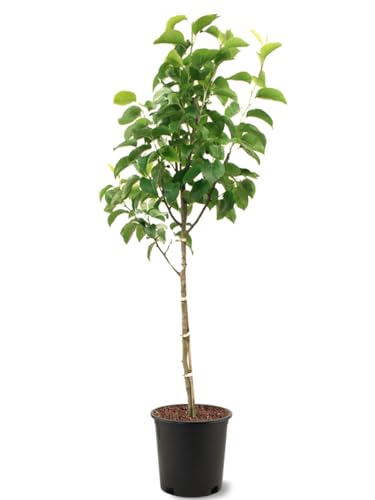
Thriving Orchard at Home: Elevate your outdoor space with the American Plant Exchange Flordahome Pear Trees. These live, semi-self-pollinating fruiting trees stand at an impressive 3-4 feet in a 5-gallon pot, bringing the allure of a thriving pear orchard to your doorstep.

Fresh seeds
Pollination Requirements
Most pear trees are self-infertile. They require cross-pollination from another compatible pear tree to produce fruit effectively. Planting at least two different varieties within proximity encourages successful pollination. Choose varieties that bloom simultaneously for the best results. For example, if you plant a Bartlett pear tree alongside a Bosc pear tree, both trees can pollinate each other, increasing fruit yield significantly.
Tree Maturity and Age
Age plays a crucial role in fruit production. Young pear trees typically don’t bear fruit until they’re around 4 to 6 years old. During this period, focus on nurturing the tree with proper watering, fertilization, and pruning. Mature trees, often around 8 years or older, produce fruit more reliably. Regular care ensures they remain healthy and productive, leading to better fruit sets each season.
Will One Pear Tree Produce Fruit?
A single pear tree typically won’t produce fruit on its own. Most pear trees need cross-pollination from another variety to maximize fruit yield.
Self-Pollinating Varieties
Some pear tree varieties are self-pollinating. Self-pollinating trees can produce fruit without needing another tree nearby. Examples include the ‘Bartlett’ and ‘Golden Spice’ pear trees. Even though they can fruit alone, their harvest may be smaller compared to those that get help from cross-pollination.
Cross-Pollination Needs
Cross-pollination significantly enhances fruit production. Planting at least two different pear varieties increases chances of successful pollination, leading to a better yield. Choose varieties that bloom at the same time, such as ‘Bosc’ and ‘Anjou’, for optimal results. Consider spacing trees about 50 feet apart for effective pollen transfer.
Care Tips for Pear Trees
Caring for pear trees involves specific practices to promote healthy growth and enhance fruit production. Here’s how to ensure your tree thrives.
Recommended Products

PROFESSIONAL GARDENING GRAFTING TOOLS: Including 2 in 1 grafting pruning tools, 3 replaceable blades, a grafting knife, a screwdriver, a wrench, 2 grafting films, 160 rubber bands, 40 wide rubber bands, and 50 colorful tag cards


★ 1. What you get: Professional convenient grafting tool set including a dual-use grafting pruner tool contain 2 extra replaceable blades, a wrench and a screwdriver, along with 36pcs wide rubber bands, 150 thick rubber bands and 1 grafting tape, packed in a black wallet to meet all your needs
Soil and Watering
Choose well-draining soil that’s rich in organic matter. Aim for a pH level between 6.0 and 7.5. If your soil needs improvement, mix in compost before planting. Pear trees require consistent moisture, especially during dry spells. Water the tree deeply once a week during the summer. Mulch around the base to retain moisture and suppress weeds. Ensure water doesn’t pool near the roots, as overwatering can lead to diseases.
Pruning and Maintenance
Prune pear trees in early spring before new growth begins. Focus on removing dead, damaged, or crossing branches. This opens up the canopy for sunlight and improves air circulation. Thin out crowded areas to encourage better fruit production. Maintain a height of 12 to 18 inches for young trees; this keeps branches manageable. Check for pests and diseases regularly. Treat any issues promptly using organic pesticide options or horticultural oil. Clean fallen leaves and debris to prevent fungal infections.
Conclusion
Growing a pear tree can be a rewarding experience if you know what to expect. While a single tree might bear some fruit depending on its variety it’s usually best to plant at least two different kinds for a bountiful harvest.
With the right care and attention your trees can thrive and produce delicious pears for you to enjoy. Remember to keep an eye on their health and provide the necessary nutrients and water.
By following the tips shared you’ll be well on your way to nurturing a fruitful pear tree that brings joy to your garden and your table. Happy gardening!
Frequently Asked Questions
Can a single pear tree produce fruit on its own?
Most pear trees are self-infertile and need cross-pollination from another tree to produce fruit. However, some varieties, like ‘Bartlett’ and ‘Golden Spice’, can set fruit on their own, though yields may be smaller. Planting two different blooming varieties together boosts fruit production.
How far apart should pear trees be for effective pollination?
To ensure good cross-pollination, it’s best to space pear trees about 50 feet apart. This distance helps maximize pollen transfer between trees, leading to better fruit yields.
When do pear trees start to bear fruit?
Young pear trees usually don’t start producing fruit until they’re around 4 to 6 years old. Mature trees, typically aged 8 years or older, tend to produce fruit more consistently and reliably.
What care do pear trees need for healthy growth?
Pear trees thrive in well-draining soil rich in organic matter and prefer a pH between 6.0 and 7.5. Consistent moisture is vital, so deep watering weekly in summer and applying mulch is recommended. Regular pruning, pest monitoring, and healthy practices contribute to their growth.
What common pests and diseases affect pear trees?
Common threats to pear trees include pear psylla, fire blight, and scab. Prompt identification and management strategies, such as using organic treatments, are essential for maintaining tree health and ensuring good fruit production.
