

Have you ever wondered if a single peach tree can bear fruit all on its own? You’re not alone. Many aspiring gardeners face this question when planting their first tree. After all, who wouldn’t want to enjoy fresh peaches right from their backyard?
Key Takeaways
- A single peach tree can bear fruit independently if it is a self-pollinating variety, such as ‘Elberta’ or ‘Redhaven’.
- Proper growing conditions, including well-drained soil, adequate sunlight, and regular watering, are critical for fruit production.
- Peach trees require a chilling period during winter, typically requiring 300 to 1,000 chilling hours below 45°F for optimal growth.
- For trees that need cross-pollination, planting at least two compatible varieties close together increases fruit yield and quality.
- Peach trees provide attractive blossoms and can fit into smaller gardens, making them a great aesthetic addition to any landscape.
- Regular care, including pruning and fertilization, enhances fruit production and supports overall tree health.
Understanding Peach Trees
Peach trees are popular among gardeners for their delectable fruit. To successfully grow peaches, it’s essential to understand the types of peach trees and their growing conditions.
Types of Peach Trees
Peach trees fall into distinct categories. Here are the primary types:
- Freestone Peaches: The flesh easily separates from the pit. These peaches are ideal for fresh eating and are popular at farmers’ markets. They typically ripen in mid to late summer.
- Clingstone Peaches: The flesh clings to the pit, making them great for canning or baking. Expect these to mature early in the summer.
- NutriPeach Trees: These hybrid trees offer enhanced disease resistance and can adapt to varying climates. They tend to produce consistent yields.
- Dwarf Peach Trees: Suitable for small gardens, dwarf varieties reach 4 to 6 feet in height. They deliver a good fruit yield without taking up extensive space.
Growing Conditions
Peach trees flourish in specific growing conditions. Focus on the following factors:
- Soil Requirements: Well-drained, sandy loam soil is ideal. Soil pH should range between 6.0 and 7.0.
- Sunlight Exposure: Full sun ensures optimal growth. Aim for at least 6 to 8 hours of direct sunlight daily.
- Watering Needs: Regular watering is crucial, especially during the first year. Deep watering once a week promotes strong root development.
- Temperature Tolerance: Peach trees thrive in regions with warm summers and a chilling period during winter. Most varieties require between 300 and 1,000 chilling hours below 45°F.
- Fertilization Tips: Apply a balanced fertilizer in early spring. This promotes healthy growth and fruit production.
By understanding these factors, you increase the chances of your peach tree bearing fruit.
The Role of Pollination
Pollination plays a crucial role in the fruit production of peach trees. Understanding the differences between self-pollination and cross-pollination helps you determine the best approach for your garden.
Recommended Products

Due to agricultural laws, we Cannot Ship to CA, AZ, AK, or HI - orders will be refunded if you ship to one of these states

Self-Pollinating Variety: Self-pollinating and vigorous grower for reliable harvests without requiring a second tree for cross-pollination

Self-Pollination vs. Cross-Pollination
Peach trees can be either self-pollinating or require cross-pollination. Self-pollinating trees can produce fruit with just one tree, as they contain both male and female flowers. Examples of self-pollinating peach tree varieties include ‘Elberta’ and ‘Redhaven’.
In contrast, cross-pollination involves the transfer of pollen from one tree to another. This method often leads to better fruit set and quality. Varieties like ‘Sunprince’ benefit from cross-pollination and often produce larger yields when planted alongside a compatible pollinator, such as ‘Cresthaven’ or ‘Glenglo’.
Pollinator Requirements
If you choose a peach variety that requires cross-pollination, you’ll need at least two trees for optimal fruit production. Space the trees within 50 feet of each other to ensure bees and other pollinators can easily transfer pollen between them. Planting different varieties is essential. When selecting trees, match those that bloom at the same time to increase the likelihood of successful pollination.
For maximum fruit yield, care for your trees with regular watering and appropriate fertilization. Encourage pollinators by planting nearby flowers like lavender or clover. This approach attracts beneficial insects, enhancing your tree’s chances of producing juicy, delicious peaches.
Factors Influencing Fruit Production
Several factors influence whether your peach tree produces fruit. Understanding these aspects can help you maximize your tree’s fruit-bearing potential.
Recommended Products

Made for Peach Trees - This peach tree fertilizer is formulated specifically to support healthy growth and fruiting in peach trees.
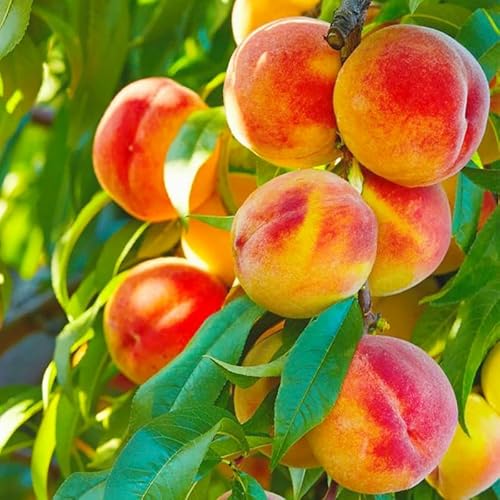
Peach trees produce fruit with multiple applications. The fruit can be enjoyed fresh and is also suitable for making jams, preserves, pies, and fruit salads.

Thrives in well-drained soil, ensuring optimal growth conditions and longevity.
Age of the Tree
Age significantly impacts a peach tree’s ability to produce fruit. Newly planted trees typically require three to four years before you see any fruit. Younger trees prioritize root establishment. Mature trees, usually five years or older, produce larger yields. Regularly inspect your tree’s health and growth. Pruning helps control size and encourage fruit production, so consider doing that annually.
Environmental Conditions
Environmental conditions play a crucial role in fruit production. Peach trees thrive in well-drained soil with a pH between 6.0 and 7.0. Ensure your tree gets full sunlight for at least six hours daily. Proper watering is essential, especially during dry spells. Deep watering encourages strong roots while reducing stress on the tree.
Temperature also matters. Peach trees require a chilling period with temperatures between 32°F and 45°F during winter. Insufficient chill hours can lead to poor fruit set. Monitoring local climate patterns helps you choose the right varieties for your area, ensuring optimal growing conditions.
Benefits of Having a Single Peach Tree
A single peach tree can provide multiple advantages for your garden. You can enjoy fresh peaches while enhancing your outdoor space.
Recommended Products

Product Quantity: Five+ dwarf peach tree seeds per packet; Premium selection for optimal viability; Perfect for starting your own backyard orchard

These are ready to plant and should be put in the ground according to the included instructions upon arrival. All pictures are of fully grown plants. Sizes shipped are in the title and description. Deciduous plants do not have leaves in the winter.
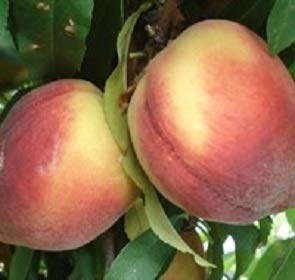
These are ready to plant and should be put in the ground according to the included instructions upon arrival. All pictures are of fully grown plants. Sizes shipped are in the title and description. Deciduous plants do not have leaves in the winter.
Space and Aesthetics
Peach trees, especially dwarf varieties, require minimal space. You can plant them in smaller yards or even in pots. Their beautiful blossoms in spring add vibrant color, elevating your landscape. During fruit season, lush, ripe peaches attract attention and create a stunning visual display. An isolated tree serves as a focal point and can complement surrounding plants and flowers, making your garden more inviting and aesthetically pleasing.
Beginner-Friendly Options
Peach trees are among the easiest fruit trees to grow. Self-pollinating varieties like ‘Redhaven’ and ‘Elberta’ thrive with minimal intervention. They provide fruit even when planted alone. With basic care, such as regular watering and occasional pruning, you can cultivate a productive tree. Choosing sturdy, disease-resistant varieties simplifies the process for beginners. By starting with a single tree, you can gain experience without overwhelming yourself, setting the stage for more extensive gardening projects in the future.
Conclusion
Growing a single peach tree can be a rewarding experience even if it might not guarantee a bountiful harvest. If you choose a self-pollinating variety you’ll have a good chance of enjoying fresh peaches right from your backyard.
By providing the right care and conditions you can help your tree thrive and increase its fruit production. Remember to keep an eye on its health and offer regular maintenance.
Whether you’re a seasoned gardener or just starting out a single peach tree can bring beauty and delicious fruit to your outdoor space. So go ahead and plant that tree—who knows what delightful surprises await you in the future!
Frequently Asked Questions
Can a single peach tree produce fruit on its own?
Yes, some peach trees can produce fruit on their own. Self-pollinating varieties, such as ‘Elberta’ and ‘Redhaven,’ are capable of bearing fruit without another tree nearby. However, having multiple trees can improve fruit quality and yield.
What types of peach trees are there?
There are several types of peach trees, including freestone and clingstone peaches, NutriPeach trees, and dwarf peach trees. Each type has unique characteristics and ideal applications based on space and growing conditions.
What are the ideal growing conditions for peach trees?
Peach trees thrive in well-drained soil with a pH of 6.0 to 7.0, requiring at least six hours of sunlight daily. They also need regular watering, especially during dry spells, and a winter chilling period of 32°F to 45°F for optimal fruit production.
Why is pollination important for peach trees?
Pollination is crucial for fruit production. Self-pollinating trees can produce fruit alone, while cross-pollinating varieties require compatible partners nearby for better yields. Planting different blooming varieties can enhance pollination success.
How long does it take for a peach tree to bear fruit?
Typically, peach trees take about three to four years to produce fruit after planting. Mature trees, five years or older, generally yield larger and more abundant harvests.
What can I do to help my peach tree produce fruit?
To encourage fruit production, regularly inspect tree health, prune annually, and ensure adequate watering and fertilization. Planting flowers nearby can also attract beneficial pollinators.
Are dwarf peach trees suitable for small spaces?
Yes, dwarf peach trees are ideal for limited spaces, such as small yards or pots. They not only produce delicious peaches but also add beauty to your garden with their attractive blossoms.
