

Have you ever looked at your plum tree and wondered why it isn’t producing any fruit? You’re not alone. Many gardeners face this frustrating situation, especially after putting in the time and effort to nurture their trees.
Understanding the reasons behind a non-fruit-bearing plum tree can help you get back on track. This article will explore common issues like pollination problems, soil health, and tree age. By the end, you’ll have practical tips to encourage your tree to thrive and hopefully enjoy a bountiful harvest in the future.
Key Takeaways
- Understand Environmental Factors: Plum trees require 6-8 hours of sunlight daily, consistent watering, and protection from extreme temperatures and high humidity for optimal fruit production.
- Ensure Soil Quality: Conduct a soil test to check for nutrient deficiencies and pH levels (ideally between 6.0 and 7.0). Aerate compacted soil and apply organic matter to enhance soil health.
- Focus on Pollination: Many plum tree varieties are not self-pollinating. Plant compatible pollinator varieties nearby, like Stanley or Methley, to boost fruit set.
- Maintain Tree Health: Regular pruning during late winter to early spring, removing dead wood and thinning fruit clusters, promotes stronger growth and increased fruit yield.
- Implement Pest and Disease Management: Regularly inspect your tree, use organic pesticides if necessary, and encourage beneficial insects to maintain tree health and prevent infestations.
- Provide Ideal Growing Conditions: Ensure your tree receives adequate sunlight and deep watering (1-2 inches weekly) to promote healthy growth and fruitful harvests.
Common Reasons For Lack Of Fruit
Several reasons may cause your plum tree to lack fruit. Understanding these factors helps you address the issues effectively.
Environmental Factors
Environmental conditions play a significant role in fruit production. Insufficient sunlight can hinder flowering and fruit set. Plum trees typically require at least 6-8 hours of direct sunlight daily. Excessive heat or frost can also damage buds and flowers.
Drought stress impacts fruit development, so maintain consistent watering, especially during dry spells. High humidity can promote diseases, affecting fruit growth. Plant your tree in a suitable climate zone for optimal health and productivity.
Soil Quality Issues
Soil health directly affects your plum tree’s ability to produce fruit. Poor soil quality or nutrient deficiencies can lead to weak tree growth. Conduct a soil test to check pH levels and nutrient content. Ideal pH for plum trees ranges from 6.0 to 7.0.
Compacted soil limits root expansion and water absorption. Regularly aerate the soil and add organic matter to improve texture and drainage. Consider fertilizing with balanced nutrients, focusing on potassium and phosphorus, to promote flowering and fruit set.
Pollination Considerations
Pollination plays a crucial role in your plum tree’s ability to produce fruit. Understanding this process can help ensure a bountiful harvest.
Recommended Products

Suitable for various USDA Hardiness Zones (3-8), making it adaptable to different climates and regions.

American Red Plum (Prunus americana): The American Red Plum is a common shrub or small tree, often found along roadsides. Fruits are yellow to red in color and used for jellies and jams. Found from Massachusetts to Manitoba, South to Georgia, New Mexico and Utah

Product Quantity: 150+ wild organic plum seeds per packet; Ideal for starting a small orchard or food forest; Generous supply ensures successful germination
Importance Of Cross-Pollination
Cross-pollination enhances fruit set and size. Many plum tree varieties are not self-pollinating, meaning they require pollen from another compatible variety for successful fertilization. When cross-pollination occurs, pollen from one tree fertilizes the flowers of another, leading to better fruiting conditions. In areas with multiple plum trees, this natural process often improves fruit yield. If you own only one type of plum tree, consider planting a different variety nearby for optimal results.
Suitable Pollinator Varieties
Selecting the right pollinator variety is essential. Here is a list of suitable plum varieties that support cross-pollination:
- Stanley: A European plum that acts as a reliable pollinator for other European types.
- Methley: A Japanese variety known for its early blooming, it pollinates well with other Japanese plums.
- Santa Rosa: A popular variety that not only produces quality fruit but also serves as a solid pollinator for various types.
When planting, ensure that these pollinator varieties bloom at the same time as your main plum tree. This synchronization increases the chances of successful fertilization and fruit production.
Tree Health And Maintenance
Taking care of your plum tree is essential for optimal fruit production. Healthy trees are more likely to produce abundant fruit. Focus on these aspects to ensure your plum tree thrives.
Pruning Techniques
Pruning contributes directly to tree health and fruit yield. Follow these steps for effective pruning:
- Timing Matters: Prune your plum tree during late winter to early spring, just before new growth begins. This timing encourages strong growth and fruiting.
- Remove Dead Wood: Cut out any dead, damaged, or diseased branches. This practice prevents the spread of disease and redirects energy to healthy parts of the tree.
- Shape the Tree: Aim for an open-center shape to improve air circulation and sunlight penetration. Trim branches to maintain this shape.
- Thin Fruit Clusters: After flowering, thin out some fruit clusters. This technique enhances the size and quality of the remaining fruit.
- Annual Maintenance: Regularly assess and prune your plum tree each year. Consistent care promotes overall tree vitality.
Pest And Disease Management
Regular pest and disease management keeps your plum tree healthy. Use these strategies to combat common threats:
- Inspect Weekly: Regularly check for signs of pests or disease. Look for discoloration, wilting, or unexplained spots on leaves and fruit.
- Use Organic Pesticides: Apply organic solutions, like neem oil or insecticidal soap, to manage pest infestations without harming the environment.
- Encourage Beneficial Insects: Attract ladybugs and lacewings, which naturally control pests. Plant flowers like yarrow and dill nearby to draw these helpful insects.
- Maintain Soil Health: Healthy soil supports strong trees. Use mulch to retain moisture and keep the soil rich in nutrients.
- Preventive Measures: Implement preventive strategies, such as crop rotation or planting disease-resistant varieties, to avoid common diseases like brown rot.
These practices enhance tree health and encourage plentiful fruit production. Focus on maintaining a happy, healthy plum tree for optimal harvests.
Ideal Growing Conditions
For your plum tree to thrive and produce fruit, it requires optimal growing conditions. Focusing on sunlight and watering practices is essential for ensuring a healthy harvest.
Recommended Products
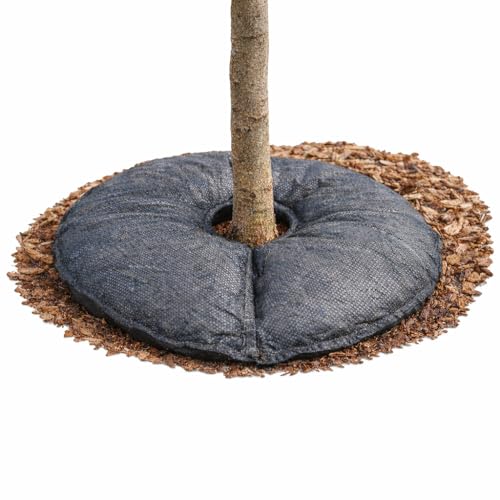
For Plants and Trees that with root balls about 12” in dia., (11-15”, e.g. 3-10 Gallon Container Sizes have top diameters between 11-15”) - Uses 99% LESS WATER than traditional tree bag over the course of multiple seasons for better establishment of the newly planted trees and shrubs! When the plant root ball is larger than 15”, the 36”, 48”, or multiple units of these larger sized SteadySpring Tree Mats are recommended to cover an area double of the root ball size or at least 20” larger than the root ball.

Typically requires re-filling just once every 5 to 7 days for most applications

Product List: You will receive 3 pcs brown tree watering ring bags, outer diameter: 47", inner diameter: 7.9", which can hold up to 15 gallons of water, continuous watering for 4 to 6 hours, ensuring that trees and plants get the water they need. Reusable tree watering bags, sufficient quantity and large size, it can meet your daily various planting needs.
Sunlight Requirements
Plum trees require full sunlight for at least six to eight hours daily. Insufficient sunlight can hinder photosynthesis, affecting fruit production. If you notice sparse fruit or small, poorly developed plums, reassess the tree’s location. Select an area free from shaded obstacles like buildings or larger trees. Planting in a sunny spot promotes healthy blossoms and increases fruit set.
Watering Practices
Consistent watering plays a crucial role in plum tree health. Aim for deep watering once a week during dry spells, providing one to two inches of water. This approach encourages deep root growth and helps the tree access moisture efficiently. Avoid over-watering, as soggy soil leads to root rot. Mulching around the base of the tree can help retain soil moisture while suppressing weeds. Pay attention to the tree’s foliage; droopy leaves signal drought stress, while yellowing leaves may indicate over-watering.
Conclusion
If your plum tree isn’t producing fruit it can be frustrating but don’t lose hope. By checking factors like pollination soil health and sunlight you can set your tree up for success. Remember to ensure you have compatible varieties nearby for cross-pollination and keep an eye on watering and soil conditions.
With a little patience and care your plum tree can thrive and reward you with delicious fruit. Keep nurturing your tree and soon enough you might just see those blossoms turn into juicy plums. Happy gardening and here’s to a bountiful harvest ahead!
Frequently Asked Questions
Why isn’t my plum tree producing fruit?
There could be several reasons your plum tree isn’t producing fruit. Common factors include inadequate pollination, poor soil health, insufficient sunlight, or drought stress. Additionally, the age of the tree can play a role; younger trees may take time to mature before bearing fruit.
Do plum trees require pollination?
Yes, many plum tree varieties are not self-pollinating and need pollen from compatible varieties. Cross-pollination can enhance fruit set and improve fruit size, so it’s vital to plant different varieties nearby.
What are some good pollinators for plum trees?
Suitable pollinator varieties for plum trees include Stanley, Methley, and Santa Rosa. Ensure these varieties bloom at the same time as your main tree to increase the chances of successful fertilization.
How much sunlight do plum trees need?
Plum trees require full sunlight for at least six to eight hours daily. Insufficient sunlight can hinder photosynthesis and fruit development, so reassess your tree’s location if it’s not receiving enough light.
How should I water my plum tree?
Water plum trees deeply once a week during dry spells, ensuring the soil remains moist but not overly saturated. Mulching can help retain soil moisture and prevent root rot, which can negatively affect fruit production.
What should I do about pests and diseases?
Regular inspections for pests and diseases are crucial. Use organic pesticides if necessary and encourage beneficial insects to manage pests naturally. Maintain soil health with mulching and follow preventive measures to avoid common diseases.
How can I improve soil health for my plum tree?
To improve soil health, regularly add organic matter like compost, ensure good drainage, and avoid compacting the soil around the root zone. Healthy soil promotes better growth and enhances fruit production in plum trees.
What pruning techniques are best for maximizing fruit production?
Effective pruning includes removing dead wood, shaping the tree for better air circulation, and thinning fruit clusters for enhanced size and quality. Annual maintenance through proper pruning helps promote overall tree vitality and fruit output.
