

The star fruit's unique shape may seem like a work of magic, but there's a scientific explanation behind it. The star fruit tree produces these star-shaped fruits due to a combination of genetics and environmental factors.
The bright yellow fruits hanging from the tree's branches create a stunning sight, and understanding the reasons behind their shape adds a fascinating layer to the beauty of nature. Let's explore the intriguing story behind the star fruit's celestial appearance.
Key Takeaways
- Genetic mutation during fruit formation process leads to the distinct ridges on star fruit.
- Environmental factors such as climate, soil composition, weather patterns, and geographic location significantly affect the growth and development of star fruit trees.
- Pollination plays a crucial role in determining the shape of star fruit, with successful transfer of pollen being essential for star-shaped fruit.
- Adaptive evolution and seed dispersal are facilitated by genetic mutations, which enhance the tree's resistance to diseases and pests, and the star-shaped fruit serves as a mechanism for seed dispersal and propagation.
Unique Genetics
Understanding the unique genetics of star fruit trees is essential for cultivating and appreciating their star-shaped fruit. The genetic mutation responsible for the star fruit's distinctive shape occurs during the fruit formation process. Unlike other fruits, star fruit trees undergo a fascinating genetic variation that leads to the development of their star-shaped appearance.
This mutation affects the way the fruit's cells divide and grow, resulting in the characteristic five distinct ridges that give the fruit its star-like shape. The genetic makeup of star fruit trees plays a crucial role in determining the physical attributes of the fruit, making it a subject of intrigue and wonder among botanists and fruit enthusiasts alike.
Exploring the genetic intricacies of star fruit trees provides valuable insights into the extraordinary natural processes that lead to the creation of their unique star-shaped fruit.
Natural Growth Pattern
The remarkable genetic mutation responsible for the star fruit's distinctive shape also influences its natural growth pattern, dictating the mesmerizing way the fruit develops on the tree.
Here's what you need to know:
- Growth Cycles: Star fruit trees exhibit distinct growth cycles, with periods of vigorous growth followed by slower phases. During the peak growth cycle, the trees produce an abundance of blossoms, eventually leading to the formation of the star-shaped fruit.
- Seasonal Changes: The natural growth pattern of star fruit trees is significantly influenced by seasonal changes. As the seasons shift, the trees respond by adjusting their growth and fruit development, resulting in a cyclic pattern that aligns with environmental variations.
- Fruit Development: The natural growth pattern of star fruit trees also impacts the timing and maturation of the fruit, ensuring that the star-shaped delicacies ripen at the most opportune moments, ready to be harvested and enjoyed.
Recommended Products
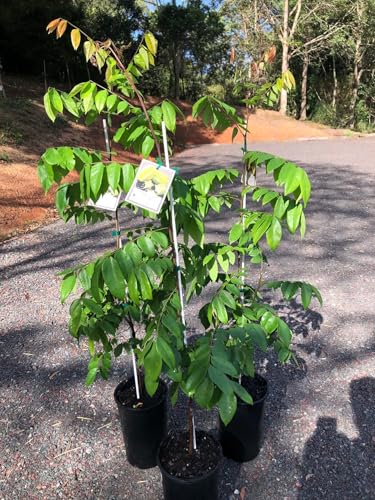
Starfruit Tree Live Carambola Tree You will receive the tree, no the fruit

FORMULATED FOR CITRUS AND FRUIT TREES: Use these citrus fertilizer spikes on apple, orange, lemon, lime, and avocado trees; this formula is also great for feeding palm trees

Imagine stepping into your backyard and seeing a tropical tree that feels bright, fresh, and full of life. That is the experience a Star Fruit Tree (Averrhoa carambola) creates as it matures.
Environmental Influences
When cultivating star fruit trees, you'll find that various environmental factors play a crucial role in shaping the growth and development of these unique, star-shaped fruits.
Climate variations, such as temperature and humidity, can significantly impact the yield and quality of star fruits.
The soil composition also plays a vital role in providing essential nutrients and proper drainage for the trees, ultimately affecting the size and flavor of the fruits.
Additionally, weather patterns, including rainfall and sunlight, influence the flowering and fruiting cycles of star fruit trees.
The geographic location of the trees further determines their exposure to specific environmental conditions, which can directly influence the overall health and productivity of the trees.
Understanding and managing these environmental influences are essential for successfully cultivating star fruit trees and producing high-quality, star-shaped fruits.
Pollination Process
To ensure successful pollination of star fruit trees, it's essential to understand the role of pollinators and the timing of their activity in the flowering cycle. The pollination process is crucial in determining the shape of the star fruit.
Here's what you need to know:
- Fruit Formation: The shape of star fruit is influenced by the pollination process. When pollen from the male parts of the flower is transferred to the female parts, it initiates the formation of the fruit.
- Genetic Factors: Pollination plays a significant role in determining the genetic makeup of the fruit. The traits inherited through pollination contribute to the final shape of the star fruit.
- Pollination Process and Fruit Shape: The way in which pollination occurs can impact the overall shape of the star fruit. The successful transfer of pollen is essential for the development of the characteristic star-shaped fruit.
Adaptive Evolution
Through generations of natural selection, star fruit trees have undergone adaptive evolution to thrive in diverse environmental conditions while developing unique characteristics.
Genetic mutations play a crucial role in this process, leading to the development of traits that offer ecological advantages. These mutations have enabled star fruit trees to adapt to various climates, soil types, and pest pressures. For example, certain mutations may have enhanced the tree's resistance to specific diseases or pests prevalent in their native habitats, allowing them to survive and reproduce more effectively.
Over time, these advantageous traits become more prevalent in the population, contributing to the species' ability to thrive in its natural environment.
The adaptive evolution of star fruit trees has resulted in the development of the star-shaped fruit, which serves as a mechanism for efficient seed dispersal and propagation in the wild.
Conclusion
In the end, the star fruit's unique shape is a testament to the intricate interplay of genetics, environment, and evolution.
So, the next time you savor a delicious star fruit, take a moment to appreciate the wonders of nature that have crafted this extraordinary fruit.
It's a reminder of the beauty and complexity found in the natural world.
