

Star fruit trees, also known as carambola trees, are a popular choice for tropical landscaping because of their unique look and practical benefits. The star-shaped fruits hanging from the tree add exotic beauty to any garden, and the trees are low maintenance. Additionally, the fruits are nutritious.
But there are more reasons why these trees are sought after in tropical landscaping.
Key Takeaways
- Star fruit trees have a unique aesthetic appeal, with vibrant, waxy, star-shaped fruits and glossy, dark green foliage. They can serve as a striking focal point in tropical gardens and add visual interest to any landscaping design.
- These trees have low maintenance requirements, as they require minimal watering once established and exhibit natural pest resistance. This makes them an attractive and practical choice for tropical landscaping, especially in regions with limited water resources.
- Star fruit trees produce edible and nutritious fruits that are packed with vitamin C, antioxidants, and fiber. They can be used in a variety of culinary creations and contribute to a healthy diet.
- These trees are adaptable to various soil types, thriving in both poor and fertile soils. They also have a remarkable capacity for water retention, enabling them to survive in drought conditions. Their adaptability makes them an excellent choice for tropical landscaping and adds to the allure of any garden.
Unique Aesthetic Appeal
With its strikingly unique aesthetic, the star fruit tree adds an enchanting allure to any tropical landscape. Its vibrant, waxy, star-shaped fruits and glossy, dark green foliage create an exotic landscaping focal point, drawing the eye with its visual interest.
The tree's compact, symmetrical form and prolific fruiting make it an ideal choice for adding decorative value to any tropical garden or yard. The star fruit tree's unusual appearance and its ability to bear an abundance of delicious tropical fruit make it a popular choice for both ornamental and practical purposes.
Whether as a standalone specimen tree or as part of a diverse orchard, the star fruit tree's charm and utility make it an essential element in any tropical landscaping design.
Low Maintenance Requirements
The star fruit tree's unique aesthetic appeal is complemented by its low maintenance requirements, making it an attractive and practical choice for tropical landscaping.
These trees are known for their water conservation properties, requiring minimal watering once established. Their ability to thrive in semi-arid conditions makes them ideal for regions with limited water resources.
Additionally, star fruit trees exhibit natural pest resistance, reducing the need for pesticides and regular monitoring for infestations. This inherent resilience not only simplifies maintenance but also aligns with environmentally friendly landscaping practices.
Recommended Products

Imagine stepping into your backyard and seeing a tropical tree that feels bright, fresh, and full of life. That is the experience a Star Fruit Tree (Averrhoa carambola) creates as it matures.
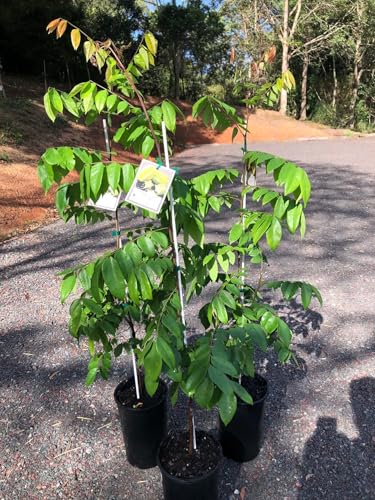
Starfruit Tree Live Carambola Tree You will receive the tree, no the fruit

Edible and Nutritious Fruits
Indulge in the delight of harvesting and savoring the nutritious, star-shaped fruits of the star fruit tree, adding a flavorful and healthful dimension to your tropical landscape.
The star fruit, also known as carambola, offers a range of nutritional benefits, making it a valuable addition to your diet. Here's why the star fruit is a delightful and nutritious choice:
- Rich in Antioxidants: The star fruit is packed with vitamin C and other powerful antioxidants, helping to support a healthy immune system and combat oxidative stress.
- Low in Calories and High in Fiber: With its low calorie content and high fiber, the star fruit makes for a satisfying and nutritious snack, aiding in digestion and weight management.
- Versatile Culinary Uses: From refreshing juices and flavorful jams to striking garnishes for salads and desserts, the star fruit's unique taste and shape adds a delightful touch to a variety of culinary creations.
Adaptability to Various Soil Types
Nestled in tropical landscapes, star fruit trees display an impressive adaptability to a wide range of soil types, thriving in diverse environments and adding a touch of exotic beauty to any garden.
These trees are remarkably resilient, capable of flourishing in both poor and fertile soils. Their adaptability to various soil types is attributed to their ability to tolerate a wide range of soil fertility levels. Star fruit trees can thrive in soils with varying levels of nutrients, making them suitable for different landscaping settings.
Additionally, their roots have shown a remarkable capacity for water retention, enabling them to withstand periods of drought and varying moisture levels. This adaptability makes star fruit trees an excellent choice for tropical landscaping, as they can thrive in a wide range of soil conditions, contributing to the allure of any garden.
Recommended Products

FORMULATED FOR CITRUS AND FRUIT TREES: Use these citrus fertilizer spikes on apple, orange, lemon, lime, and avocado trees; this formula is also great for feeding palm trees

Natural and Organic Hand Crafted Blend

【Ideal pH Balance】Our citrus soil is carefully calibrated to maintain an optimal pH level between 6.0 and 7.1, ensuring your citrus trees can absorb essential nutrients efficiently and thrive
Environmental Benefits
Star fruit trees offer numerous environmental benefits, enhancing the ecological balance and contributing to the overall sustainability of tropical landscapes. These benefits include:
- Reduced Pollution: The dense foliage of star fruit trees helps to absorb pollutants from the air, effectively reducing air pollution. This makes them invaluable in urban areas where pollution levels are high, contributing to cleaner and healthier air for all.
- Biodiversity Enhancement: Star fruit trees attract a variety of pollinators, such as bees and butterflies, due to their fragrant flowers and abundant nectar. This, in turn, supports biodiversity by creating habitats for diverse species of insects and birds, enriching the overall ecosystem.
- Soil Conservation: The deep root system of star fruit trees helps prevent soil erosion, stabilizing the soil and preserving its nutrients, which is crucial for maintaining the health of the surrounding landscape.
Conclusion
Incorporating a star fruit tree into your landscaping not only adds a touch of tropical allure, but also offers low maintenance and delicious fruit.
Its adaptability and environmental benefits make it a popular choice for outdoor spaces.
Consider the beauty and benefits of a star fruit tree and enhance your landscape with a taste of the tropics.
