

Ever wondered when’s the best time to spray horticultural oil on your fruit trees? If you’ve ever faced pesky pests or diseases threatening your harvest, you’re not alone. Many gardeners grapple with knowing the right timing to protect their trees without harming beneficial insects.
Key Takeaways
- Optimal Timing: Apply horticultural oil in early spring before bud break and late fall after leaf drop to effectively manage overwintering pests.
- Weather Considerations: Ensure temperatures are consistently above 40°F (4°C) and avoid windy or rainy days to maximize application effectiveness.
- Pest Life Cycle Awareness: Understanding the life cycles of common pests like aphids and spider mites is crucial for timing applications effectively.
- Correct Application Method: Mix horticultural oil according to the label’s instructions, ensuring thorough coverage on tree surfaces without saturating.
- Protect Beneficial Insects: Apply horticultural oil carefully to minimize impact on beneficial insects and pollinators by targeting the right timing and distance.
- Maintain Tree Health: Regular horticultural oil applications create a protective barrier against pests and diseases, promoting overall health and productivity of fruit trees.
Importance Of Horticultural Oil
Horticultural oil plays a crucial role in maintaining healthy fruit trees. It’s primarily used for pest management, targeting harmful insects like aphids and spider mites. By smothering pests, horticultural oil reduces their population effectively.
Horticultural oil benefits beneficial insects, too. When applied at the right time, it minimizes harm to pollinators and predatory insects. This approach maintains the ecological balance in your garden.
Using horticultural oil helps prevent disease. It creates a barrier against pathogens that can harm trees, especially during the vulnerable spring growth period. Regular applications can reduce the risk of fungal infections and promote overall tree health.
You’ll find it easy to apply. Mix the oil with water according to the label’s instructions, then spray it on tree foliage. Ensure thorough coverage but avoid saturating the branches. This application method optimizes effectiveness.
Timing enhances its benefits. Apply horticultural oil during dormant seasons, ideally late winter or early spring. This timing maximizes pest control while minimizing damage to beneficial insects. Always monitor weather conditions, as spraying before rain can wash away the treatment.
Horticultural oil serves as a versatile tool in organic gardening. It works effectively against various pests and diseases while being gentle on your fruit trees and the environment. Using this proactive approach keeps your trees healthy and productive.
Best Times For Application
Applying horticultural oil at the right times maximizes its effectiveness against pests and diseases. Focus on these key periods:
Recommended Products

USE YEAR ROUND - Our 3-in-1 product provides year-round protection against insects, mites, and diseases. Can be used at the dormant stage, green tip stage, delayed dormant stage, and during the growing season to prevent pest infestations and disease.
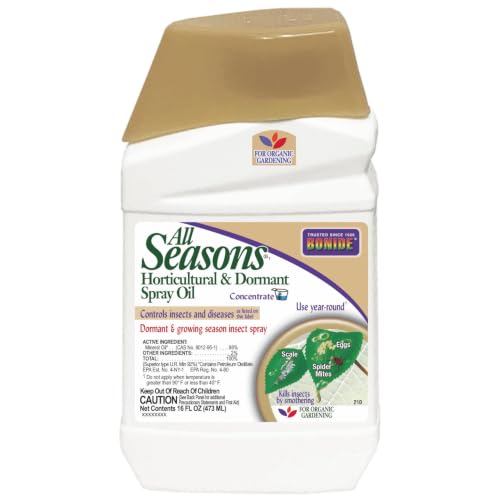
Control insects & diseases in your home garden with All Seasons Horticultural & Dormant Spray Oil Concentrate; use year-round to control listed insects and diseases

NSECT KILLER - This pest control is great for use on aphids, leaf miners, thrips, leafhoppers, spider mites, scales, whiteflies, mealy bugs and many more. It gives poor control for caterpillar & worms. However, it does control eggs of all insects.
Early Spring
Use horticultural oil in early spring, just before bud break. This timing targets overwintering pests like aphids and spider mites. Apply the oil when temperatures consistently hit 40°F (4°C) and the trees are still dormant. To apply, mix one to two tablespoons of horticultural oil per gallon of water. Spray the solution on the branches and trunk, ensuring even coverage. Avoid spraying during periods of frost or heavy rain to prevent wash-off.
Late Fall
Late fall presents another opportunity for application. This timing helps manage pests that might overwinter on your trees. Apply horticultural oil after leaf drop but before the first hard freeze. This is usually between mid-November and December, depending on your region. Similar to early spring, mix one to two tablespoons of oil with water. Spray the mixture thoroughly on the dormant trees, focusing on bark and crevices where pests may hide. This creates a protective barrier to reduce pest populations come spring.
Factors Influencing Timing
Timing plays a crucial role in the effectiveness of horticultural oil applications. Several factors affect when you should apply this protective measure on your fruit trees.
Recommended Products

INSECT KILLER - This pest control is great for use on aphids, leaf miners, thrips, leafhoppers, spider mites, scales, whiteflies, mealy bugs and many more. It gives poor control for caterpillar & worms. However, it does control eggs of all insects.
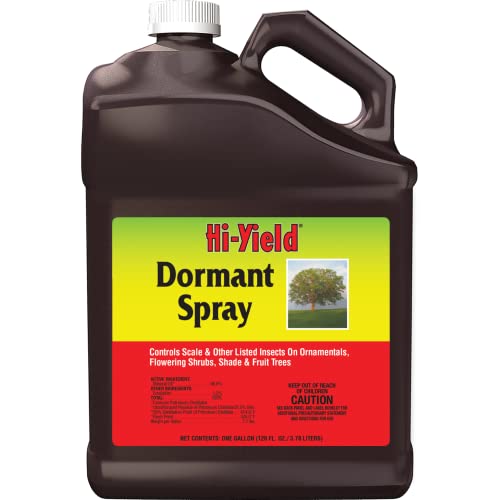
Controls a number of insects including Mites, Leaf Rollers, Armyworms and more. See label for more.

INSECT KILLER - This pest control is great for use on aphids, leaf miners, thrips, leafhoppers, spider mites, scales, whiteflies, mealy bugs and many more. It gives poor control for caterpillar & worms. However, it does control eggs of all insects.
Pest Life Cycles
Understanding pest life cycles is essential for determining the right time to spray horticultural oil. Many common pests, such as aphids and spider mites, have distinct inactive and active periods. You should target application just before pests emerge from their dormant stages. For instance, applying horticultural oil in early spring, right before bud break, helps manage overwintering pests. This timing disrupts their life cycle, leading to a reduction in pest populations.
Weather Conditions
Weather conditions significantly influence the timing of your horticultural oil application. Optimal spraying occurs when temperatures consistently reach 40°F (4°C) and there’s no risk of frost. These stable temperatures allow the oil to adhere effectively to tree surfaces. Avoid applying on windy days or just before rain, as these conditions can wash away the oil and diminish its effectiveness. Monitoring local weather forecasts ensures that you choose the most suitable days for application.
How To Apply Horticultural Oil
Applying horticultural oil correctly maximizes its effectiveness in protecting your fruit trees from pests and diseases. Follow these steps to ensure a successful application.
Application Methods
- Choose the Right Oil: Select a refined horticultural oil suitable for your trees. Most often, the label specifies the types of trees and pests it targets.
- Mix the Solution: Combine the horticultural oil with water according to the manufacturer’s instructions. Generally, a mixture of 2-3% oil in water works well.
- Prepare Your Equipment: Use a hand-held sprayer or a backpack sprayer for larger trees. Ensure the equipment is clean to prevent contamination.
- Target Coverage: Spray until you achieve a light mist on all surfaces, including the undersides of the leaves and the bark. Avoid saturating the branches or causing runoff.
- Timing is Key: Apply the mixture during recommended times—early spring just before bud break or late fall after leaf drop. Ensure temperatures are stable above 40°F (4°C) without heavy winds.
- Wear Protective Gear: Put on gloves, goggles, and a mask to protect your skin, eyes, and respiratory system during application.
- Check Weather Conditions: Avoid spraying before rainstorms or on windy days. Rain can wash away the oil, while wind can disperse it, reducing effectiveness.
- Do Not Apply Near Beneficial Plants: Keep a safe distance from flowering plants and hives of beneficial insects during application. This minimizes harm to pollinators.
- Follow Label Instructions: Always refer to the product label. Adhere to guidelines on dosages and safety measures to ensure safe usage.
- Store Properly: Store unused horticultural oil in a cool, dry place away from direct sunlight and out of reach of children and pets.
By paying close attention to these methods and precautions, you can effectively apply horticultural oil to protect your fruit trees while maintaining the health of your garden.
Conclusion
Applying horticultural oil at the right time can make all the difference for your fruit trees. By targeting pests during their vulnerable stages you’re not only protecting your trees but also supporting a healthy garden ecosystem. Remember to keep an eye on weather conditions and the life cycles of pests to choose the best moments for application.
With a little care and attention you can ensure your trees thrive while minimizing harm to beneficial insects. So gear up and get ready to give your trees the protection they deserve this growing season. Happy gardening!
Frequently Asked Questions
What is horticultural oil used for on fruit trees?
Horticultural oil is primarily used to manage pests and diseases on fruit trees. It creates a protective barrier that targets harmful insects like aphids and spider mites while minimizing harm to beneficial insects. Additionally, it prevents diseases by acting as a deterrent against pathogens, especially during vulnerable growth periods.
When is the best time to apply horticultural oil?
The optimal times to apply horticultural oil are during the dormant season, particularly in late winter or early spring, before bud break when temperatures reach about 40°F (4°C). Late fall applications, after leaf drop but before hard freeze, are also effective for managing overwintering pests.
How do I apply horticultural oil correctly?
To apply horticultural oil, mix it with water according to the manufacturer’s instructions. Use clean equipment to ensure thorough coverage of all tree surfaces without causing runoff. Spray when temperatures are stable, avoiding windy days or impending rain for the best results.
Are there any safety precautions to take when using horticultural oil?
Yes, it’s important to wear protective gear when applying horticultural oil and check weather conditions beforehand. Additionally, maintain a safe distance from beneficial plants to avoid unintentional harm. Always follow label instructions for safe usage and proper storage of any unused oil.
Can horticultural oil harm beneficial insects?
When applied correctly, horticultural oil minimizes the risk to beneficial insects. The key is timing the application to avoid overlapping with their active periods. By focusing on dormant pest stages, you can effectively manage harmful pests while protecting helpful species in your garden.
