

Wondering when to prune your fruit trees in Oklahoma? You’re not alone. Many gardeners face the challenge of timing their pruning just right to ensure healthy growth and bountiful harvests.
Pruning at the wrong time can lead to poor fruit production or even damage your trees. In this article, you’ll discover the best times to prune different types of fruit trees, along with tips to help you get the most out of your efforts. With the right knowledge, you can enjoy thriving trees and delicious fruits for years to come.
Key Takeaways
- Optimal Pruning Times: The best times to prune fruit trees in Oklahoma are late winter to early spring and, for some species, during summer months.
- Pruning Techniques: Utilize different techniques such as heading back for young trees, thinning cuts for overcrowded branches, and renewal pruning for older trees to encourage healthy growth.
- Species-Specific Guidelines: Understand that each fruit tree species, like apple, peach, and cherry, has unique pruning schedules and techniques to ensure maximum fruit production and tree health.
- Essential Tools: Use appropriate tools like pruning shears, loppers, and saws for effective pruning. Ensure tools are sharp and clean to promote healthy cuts and prevent disease spread.
- Weather Considerations: Monitor local weather conditions when planning pruning sessions to avoid cold snaps and wet conditions that can stress trees or lead to disease.
- Avoid Over-Pruning: Maintain a balance when pruning to prevent stressing your trees; leaving an adequate amount of growth is crucial for their health and fruit production.
Understanding Fruit Tree Pruning
Pruning fruit trees plays a vital role in their health and productivity. Pruning encourages new growth, improves air circulation, and increases sunlight penetration. It’s crucial to know when and how to prune for the best results.
Types of Pruning
- Heading Back
Heading back involves cutting back stems to promote bushier growth. Use this technique for young trees to develop a strong framework. - Thinning Cuts
Thinning cuts remove entire branches to prevent overcrowding. This method improves access to light and air, enhancing fruit quality. - Renewal Pruning
Renewal pruning focuses on older trees. You selectively cut back older branches to stimulate new growth.
Best Times to Prune
- Late Winter to Early Spring
Most fruit trees benefit from pruning during this period. The dormant season minimizes stress and encourages robust growth in spring. - For Summer Pruning
Some trees, like apple and stone fruits, respond well to summer pruning. Removing smaller branches helps manage tree form and improves fruit size.
Tools for Pruning
- Pruning Shears
Use for small branches. Choose sharp, clean shears to make precise cuts. - Loppers
Loppers are ideal for medium-sized branches. Their long handles provide leverage. - Saw
For larger branches, a pruning saw is essential. Ensure it’s designed for cutting live wood.
Practical Tips
- Make Clean Cuts
Aim for slanting cuts to promote water drainage. Avoid tearing bark, as this can lead to disease. - Step Back Often
Periodically step back and assess your work. Ensure you’re maintaining the tree’s shape and structure. - Keep Trees Healthy
Avoid over-pruning. Leaving too much growth can stress trees, leading to poor fruit production.
- What if I miss the ideal pruning time?
Pruning later in the season is still beneficial but may reduce yields. Always prioritize safety and tree health over strict scheduling. - How do I know which branches to remove?
Focus on dead or diseased branches. Also, identify those crossing or rubbing against each other.
Understanding fruit tree pruning is crucial for achieving healthy, productive trees. By employing the right techniques and timing, you can enhance your fruit production and maintain tree vitality.
Ideal Timing for Pruning
Pruning at the right time is vital for healthy fruit trees. It encourages growth and enhances fruit production. Two main periods for pruning in Oklahoma include winter and summer.
Recommended Products

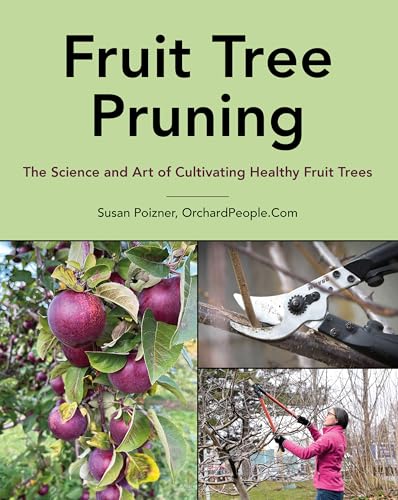
[Cut & Hold Pole Pruner for Tree Trimming] This long reach cut and hold pruner makes it easy to grip and remove branches, flowers, or fruit without dropping them. Perfect as a pole fruit picker for harvesting lemons, oranges, apples, or persimmons, and for trimming shrubs and bushes without climbing a ladder.

PROFESSIONAL GARDENING GRAFTING TOOLS: Including 2 in 1 grafting pruning tools, 3 replaceable blades, a grafting knife, a screwdriver, a wrench, 2 grafting films, 160 rubber bands, 40 wide rubber bands, and 50 colorful tag cards
Winter Pruning
Winter pruning occurs during late winter, ideally between January and early March. The trees are dormant, which minimizes stress and allows for better healing. Focus on these points:
- Identify Dead or Diseased Wood: Remove branches that show signs of rot, disease, or breakage.
- Thin Crowded Areas: Clear out branches that are crossing or overcrowding, which improves airflow and light exposure.
- Shape the Tree: Maintain an open center to encourage upward growth, ensuring sunlight reaches all parts.
Winter pruning provides a fresh start, promoting healthy development in spring.
Summer Pruning
Summer pruning takes place from June to early August. This method promotes energy conservation in trees. It also helps manage growth and encourages better fruit production. Key tips include:
- Remove Suckers: Cut back sucker shoots that grow from the base to redirect energy to productive branches.
- Prune for Size Control: Trim branches that grow too long. This keeps trees manageable and improves air circulation.
- Focus on Ripening Fruits: Low-stress pruning allows trees to recover quickly while fruits are developing.
Summer pruning can boost fruit size and quality while keeping trees in check.
Factors Influencing Pruning Timing
Pruning timing for fruit trees in Oklahoma depends on several factors, including tree species and weather conditions. Understanding these influences helps ensure healthy trees and maximum fruit production.
Recommended Products
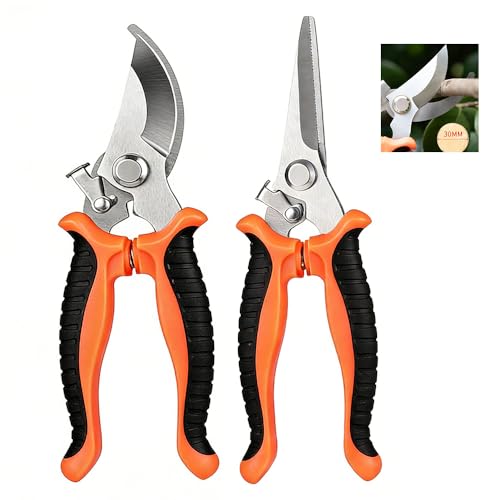
Essential Gardening Tool: This garden pruning shear is specially designed for light cutting tasks. Its blade body is treated with a special craft for smooth, consistently sharp cuts. Equipped with a high-elasticity spring, it opens and closes effortlessly for easy operation.

IDEAL BRANCH TRIMMER: Tree pruner that extends from 7.9 to 12 feet; Lightweight aluminum pole weighing less than five pounds to help minimize fatigue; Ideal for cutting high branches, or making low cuts without bending or kneeling
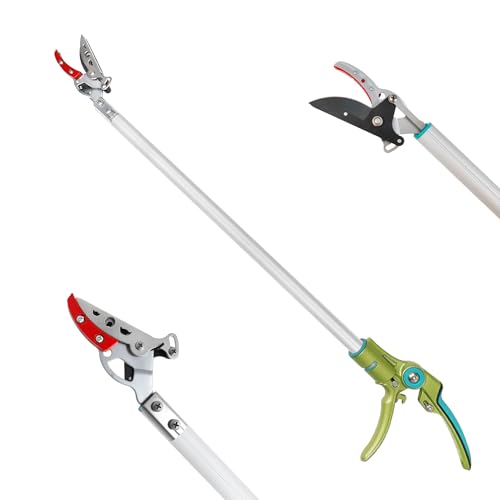
[REACH HIGH & STAY SAFE](No Ladder Required) Say goodbye to wobbly ladders! This 32inch long reach pole pruner offers an extra 30 inches of safe reach, allowing you to prune high branches or tall fruit trees while standing firmly on the ground. It’s the perfect extension tool for maintaining your backyard without the risk of falling.
Tree Species Considerations
Different fruit tree species require specific pruning schedules. For example:
- Apple Trees: Prune apple trees in late winter to early spring when they’re dormant. Focus on dead or crossed branches to improve air circulation.
- Peach Trees: Prune peach trees in late winter, typically from February to early March. This timing encourages fruit production and healthy growth.
- Cherry Trees: For cherry trees, late winter pruning is ideal. Avoid spring pruning as it can lead to undesirable sap loss.
Know the needs of each species to determine the proper pruning time. Assessing species requirements optimizes growth and enhances fruit yields.
Weather Conditions
Weather plays a critical role in determining when to prune fruit trees. Key considerations include:
- Temperature: Aim to prune when temperatures remain above freezing. Cold snaps can damage freshly cut branches.
- Moisture Levels: Avoid pruning during wet conditions. Strong moisture increases the risk of disease.
- Timing in Relation to Blooming: Prune before flowers begin to bloom. For most trees, this means late winter or early spring.
Monitoring local weather forecasts aids in choosing the best pruning days. Adapt your pruning schedule according to specific weather patterns in your area to promote healthy tree growth.
Recommended Pruning Techniques
Pruning techniques vary based on tree species and the desired outcomes. Here’s a detailed look at essential tools and tailored methods for successful pruning.
Tools and Equipment
Using the right tools makes pruning easier and more effective. Here’s what you need:
- Pruning Shears: Ideal for small branches up to ¾ inch thick. Look for bypass models that make clean cuts.
- Loppers: Great for branches between ¾ inch and 1 ¼ inches thick. Choose a long-handled pair for added leverage.
- Saws: Use pruning saws for larger branches. Opt for a folding saw for portability.
- Gloves: Protect your hands from cuts and sap.
- Ladder: A sturdy, lightweight ladder helps you reach higher branches safely.
Clean your tools before and after use to prevent disease spread. Sharp blades ensure clean cuts, promoting faster healing.
Techniques for Different Species
Different fruit trees require specific pruning approaches for optimal health and yield. Here’s a breakdown by species:
Apple Trees:
- Prune in late winter. Remove dead, diseased, and crossing branches. Thin out crowded areas to enhance airflow.
Peach Trees:
- Prune in late winter or early spring. Focus on an open center to allow sunlight penetration. Remove inward-facing branches and thin excess growth.
Cherry Trees:
- Prune after harvesting in late summer. Thin branches to prevent disease and promote fruit production.
- Prune in late winter. Aim for an open canopy. Remove weak and crowded branches to encourage healthy growth.
For each species, use thinning cuts instead of heading cuts to maintain shape and encourage robust growth. Monitor the trees periodically for any adjustments needed based on growth patterns.
Adapting these techniques to your specific fruit trees helps maximize fruit production and maintain healthy tree structures.
Conclusion
Pruning your fruit trees at the right time is key to enjoying a bountiful harvest. By following the guidelines for late winter and summer pruning you can ensure your trees stay healthy and productive. Remember to tailor your approach based on the specific needs of each tree species and keep an eye on local weather conditions.
With the right tools and techniques you’ll be well on your way to creating a thriving fruit garden. So gather your pruning shears and get ready to nurture your trees. Happy gardening and may your fruit trees flourish!
Frequently Asked Questions
When is the best time to prune fruit trees in Oklahoma?
Pruning is best done in late winter to early spring, ideally between January and early March when trees are dormant. This timing helps promote healthy growth and enhances fruit production.
What are some common pruning techniques for fruit trees?
Common techniques include heading back for young trees, thinning cuts to reduce overcrowding, and renewal pruning for older trees. These methods encourage healthy growth and improve sunlight exposure.
Can I prune fruit trees in the summer?
Yes, summer pruning, typically from June to early August, helps manage growth and energy conservation. Focus on removing suckers and controlling branch size during this time.
What tools do I need for pruning fruit trees?
Essential tools include pruning shears, loppers, saws, gloves, and ladders. Using the right tools ensures clean cuts and effective pruning.
How do weather conditions influence pruning timing?
Weather factors, such as temperature and moisture levels, can impact the best pruning days. Monitoring local forecasts helps you adjust your pruning schedule for optimal results.
What happens if I miss the ideal pruning time?
While late pruning can still be beneficial, it may reduce yields. Focus on removing dead or diseased branches and any that are crossing or rubbing together.
Are there specific pruning schedules for different fruit trees?
Yes, each fruit tree species has unique pruning needs. For instance, apple trees should be pruned in late winter, while cherry trees are best pruned after harvesting in late summer.
