

Are you wondering when the perfect time is to start growing your own raspberries? Picture this: you step outside on a sunny morning, and pluck juicy raspberries right from your garden. Sounds enticing, doesn’t it? In this article, we’ll guide you on the ideal timing for planting raspberries so you can enjoy a bountiful harvest.
Have you ever dreamed of having an abundance of fresh raspberries at your fingertips? By learning when to plant them, you’re one step closer to making that dream a reality. This article will provide valuable insights into the best season for growing raspberries and set you on the path to creating your own fruitful berry patch.
Key Takeaways
- Best Times for Planting Raspberries: Optimal periods are early spring or late fall to ensure root development before fruiting.
- Geographic Considerations: Plant in late fall for warmer climates and early spring for cooler regions.
- Choosing Raspberry Varieties: Select varieties like Heritage, Caroline, or Fall Gold based on climate and preferences.
- Soil and Sunlight Requirements: Ensure well-draining soil with proper pH levels and full sun exposure.
- Planting Tips: Follow spacing guidelines, select suitable varieties, and provide proper sunlight for healthy growth.
- Maintenance Practices: Maintain consistent watering, mulching, fertilizing, and pest management for robust raspberry plants.
Understanding the Raspberry Growing Season
When it comes to cultivating raspberries, understanding the growing season is crucial for a successful harvest. Here’s a breakdown of key aspects to consider:
Best Times of Year for Planting
Plant your raspberry bushes in early spring or late fall. These periods provide optimal conditions for root development before the plant enters its fruiting stage. By planting during these times, you give your raspberries the best chance to establish themselves and thrive.
Geographic Variations in Raspberry Cultivation
Raspberry cultivation can vary based on your geographical location. In warmer climates, consider planting raspberries in late fall to benefit from milder winters and avoid extreme summer heat. Conversely, in cooler regions, opt for early spring planting to ensure the plants have enough time to develop before winter sets in.
By aligning your raspberry planting schedule with the best times of year for your specific climate, you set yourself up for a successful growing season and a plentiful raspberry harvest.
Preparing to Plant Your Raspberries
When it comes to preparing your raspberry patch for planting, there are a few key steps you should follow to ensure successful growth and abundant harvests. Let’s dive into the essential aspects of getting ready to plant your raspberries.
Recommended Products

Quick, at home results for Soil pH, Nitrogen, Phosphorous and Potash Innovative and inexpensive soil test kit features an easy-to-use capsule system and patented color comparators

Kindly NOTE: This soil tester can not be applied to test pH value of any other liquid. If the soil is too dry the indicator will not move, and water it before testing.

KNOW BEFORE YOU GROW | Grow the healthiest, sustainable lawn and garden with the most accurate and easy to use professional soil test kit on the market
Choosing the Right Raspberry Varieties
Selecting the appropriate raspberry varieties is crucial for a thriving garden. Consider factors such as your climate, available space, and desired berry characteristics when choosing which types to plant. Some popular raspberry varieties include:
- Heritage: Known for their delicious flavor and high yield.
- Caroline: Ideal for warmer climates with excellent disease resistance.
- Fall Gold: Produces yellow-gold raspberries that are sweet and flavorful.
Ensure you research different varieties to find ones that suit your specific growing conditions and taste preferences.
Soil and Sunlight Requirements
Raspberries thrive in well-draining soil with a pH level between 5.5 and 6.5. Before planting, test your soil to determine its acidity levels and make any necessary amendments to create optimal growing conditions for your raspberries.
Choose a sunny location for your raspberry patch, as these berries require full sun exposure (at least 6-8 hours of sunlight daily) to produce abundant fruit. Ensure there are no obstructions that could shade the plants during the day.
By selecting suitable raspberry varieties tailored to your environment and ensuring proper soil quality and sunlight exposure, you’ll lay a solid foundation for a successful raspberry-growing adventure.
Planting and Maintenance Tips
When it comes to growing raspberries successfully, following proper planting and maintenance guidelines is crucial. Here’s a comprehensive guide to help you nurture your raspberry plants for a fruitful harvest.
Recommended Products

Package contains 6 pounds organic soil acidifier grains and is produced to avoid wasteful runoff, mess, hazards and smells

PREMIUM INGREDIENTS: This specifically crafted organic compost blend has a low pH premium formulation that is naturally lightweight and contains just the right ingredients ensuring healthy growth and beautiful results.

A Natural fertilizer blended especially for acid lovers such as rhododendrons, azaleas, camellias, hydrangeas, evergreens, blueberries, raspberries, strawberries, potatoes and other plants that need a low pH
Step-by-Step Planting Guide
To start your raspberry-growing journey on the right foot, follow these step-by-step planting instructions:
- Choose the Right Variety: Select raspberry varieties that thrive in your climate and suit the space available in your garden. Popular choices include Heritage, Caroline, or Boyne raspberries.
- Prepare the Soil: Ensure your soil has good drainage and is rich in organic matter. Aim for a slightly acidic soil pH of around 5.5 to 6.5 for optimal growth.
- Planting Time: For most regions, early spring or late fall are ideal times to plant raspberries. In warmer climates, opt for late fall planting; whereas cooler regions benefit from early spring planting.
- Spacing: Plant raspberry bushes about 2-3 feet apart to allow ample room for growth and airflow between plants.
- Sunlight Requirements: Choose a sunny location with at least 6-8 hours of sunlight daily for robust berry production.
By following these steps diligently, you can establish a strong foundation for healthy raspberry plants.
Watering and Fertilizing Your Raspberries
Proper watering and fertilization play a significant role in nurturing thriving raspberry bushes:
- Watering Schedule: Raspberries require consistent moisture, especially during the growing season and fruit development stages. Aim to provide about 1-2 inches of water per week through rainfall or irrigation.
- Mulching: Apply a layer of mulch around the base of raspberry plants to retain moisture, suppress weeds, and regulate soil temperature.
- Fertilizing Needs: Before planting, incorporate compost or well-aged manure into the soil as organic fertilizer. During the growing season, use balanced fertilizers with an NPK ratio of 10-10-10 or similar every spring.
By adhering to proper watering practices and providing adequate nutrients through fertilization, you can promote vigorous growth and abundant yields from your raspberry bushes.
Common Challenges in Growing Raspberries
When it comes to growing raspberries, you may encounter some common challenges that can affect the health and yield of your plants. Below are key factors to consider for effective management.
Recommended Products
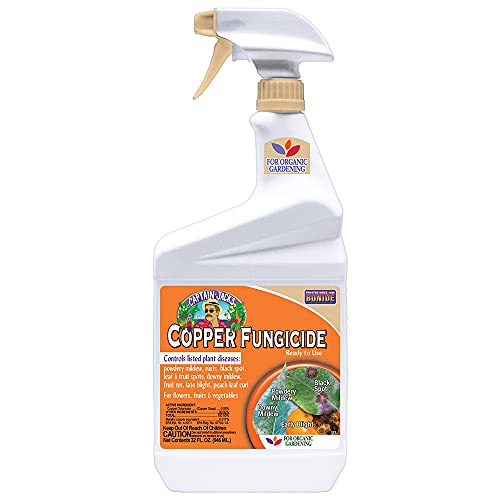
Control fungus and disease in your garden with Captain Jack’s ready-to-use Liquid Copper Fungicide!

3-in-1 FORMULA: Aphid spray for outdoor plants for use on roses, flowers, shrubs and trees to control listed insects, disease and mites

3-IN-1 PLANT CARE: 3-In-1 Insect, Disease & Plant Mite Control provides insect control, disease control, and plant mite control all in one; Rainproof protection starts in 4 hours and lasts up to 14 days
Pest Management
To protect your raspberry plants from pests like aphids, beetles, or spider mites, regular monitoring is essential. Inspect the leaves and stems for any signs of infestation. To deter these pests naturally, you can introduce beneficial insects like ladybugs or lacewings that feed on harmful bugs. Additionally, neem oil or insecticidal soap can be used as organic remedies to control pest populations without harming the environment.
Disease Prevention
Preventing diseases in raspberry plants is crucial for a successful harvest. Common diseases such as powdery mildew and anthracnose can impact plant growth if left untreated. Ensure proper air circulation around the plants by maintaining adequate spacing between them. Avoid overhead watering to reduce moisture on foliage, which can promote fungal growth. Applying fungicides at the first sign of disease can help prevent its spread and protect your raspberry crop.
By implementing proactive pest management strategies and disease prevention techniques, you can overcome these common challenges in growing raspberries and cultivate healthy plants for a bountiful harvest.
Conclusion
Now that you have all the essential tips for growing raspberries successfully, you’re well-equipped to start your raspberry garden journey. Remember to choose the right variety, ensure proper soil conditions, and select a sunny spot for planting. By following the step-by-step instructions provided and implementing watering, mulching, and fertilizing techniques, you can nurture healthy raspberry plants. Stay vigilant against pests by monitoring regularly and utilizing organic solutions when needed. Disease prevention is key – maintain good airflow around your plants and promptly address any signs of disease with appropriate treatments. With dedication and care, you’ll soon be enjoying a bountiful harvest of delicious raspberries from your own garden. Happy gardening!
Frequently Asked Questions
Q: What are the key factors to consider when planting raspberries?
A: When planting raspberries, ensure you select suitable raspberry varieties for your region, maintain proper soil pH levels around 5.6-6.2, and choose a sunny location with well-draining soil.
Q: When is the best time to plant raspberries?
A: The ideal time to plant raspberries is in early spring or late fall when the plants are dormant.
Q: How should I water my raspberry plants?
A: Water raspberry plants regularly, ensuring they receive about an inch of water per week, especially during dry periods. Avoid overwatering to prevent root rot.
Q: What mulching practices are recommended for raspberry plants?
A: Mulch around raspberry plants with organic materials like straw or wood chips to retain moisture, suppress weeds, and regulate soil temperature.
Q: Is fertilizing necessary for raspberry plants?
A: Fertilize raspberry plants in early spring with a balanced fertilizer to promote healthy growth and fruit production.
Q: How can I manage pests when growing raspberries?
A: Monitor your raspberry plants regularly for pests, introduce beneficial insects like ladybugs, and use organic pest control methods such as neem oil or insecticidal soap.
Q: What disease prevention strategies should I follow for raspberries?
A: Prevent diseases by maintaining good air circulation around plants, avoiding overhead watering that can promote fungal growth, and promptly applying fungicides if signs of disease appear.
