

Wondering when to prune your fruit trees for the best harvest? You’re not alone. Many gardeners face the challenge of figuring out the right time to trim their trees without harming their growth. Pruning can feel overwhelming, but it’s essential for keeping your trees healthy and productive.
Key Takeaways
- Pruning Techniques Are Essential: Understanding thinning, heading, and rejuvenation assists in selecting the right method for your fruit trees’ health and productivity.
- Timing Differs by Species: Each fruit tree species, such as apples, peaches, and citrus, has specific optimal pruning times to ensure robust growth and yield.
- Climate Matters: Local climate factors, including frost risk and rainfall patterns, heavily influence the best times to prune your fruit trees.
- Benefits of Pruning: Pruning enhances air circulation, sunlight exposure, fruit yield, and helps manage tree size, while also preventing pest issues.
- Avoid Common Mistakes: Be mindful of over-pruning and pruning at incorrect times, as these can harm tree health and reduce fruit production.
- Use Proper Techniques: Employ clean tools and make strategic cuts to promote healthy growth and minimize disease risks in your fruit trees.
Understanding Pruning
Pruning involves removing specific parts of a plant to improve its overall health and productivity. It plays a crucial role in managing growth, enhancing fruit quality, and maintaining tree structure.
What Is Pruning?
Pruning means cutting back branches, leaves, or roots to encourage healthy growth. This practice includes several techniques, such as thinning, heading, and rejuvenation. Each technique serves a unique purpose:
- Thinning: Removes selected branches to promote airflow and sunlight penetration, reducing the risk of disease.
- Heading: Cuts back stems to encourage bushier growth and improve fruiting in some species.
- Rejuvenation: Involves drastic cuts to older trees to stimulate new growth, making them more productive.
Knowing these techniques helps you decide the best approach for your fruit trees.
Benefits Of Pruning Fruit Trees
Pruning offers numerous advantages that contribute to a fruitful harvest and healthy trees:
- Improved Air Circulation: Better airflow reduces humidity, lowering disease risk.
- Enhanced Sunlight Exposure: More sunlight reaches the inner branches, promoting photosynthesis and fruit development.
- Increased Yield: Pruning encourages better fruit quality and quantity by directing the tree’s energy to fewer, more productive branches.
- Maintained Size and Shape: Regular pruning keeps trees manageable, making it easier to care for and harvest.
- Pest Control: Removing infected or damaged branches helps limit pests and diseases, ensuring overall tree health.
By understanding pruning’s benefits, you can employ effective strategies to maximize your fruit trees’ potential.
Factors Influencing Pruning Timing
Pruning fruit trees effectively hinges on several key factors. Understanding these will help you choose the best time for pruning your trees.
Recommended Products

LONG-LASTING SHARPNESS: Japanese SK5 bypass blade with titanium coating is tested through 5,000 cuts to maintain a sharp edge and deliver clean, consistent cuts on live stems and branches

CLEAN CUTS FOR LIVE GROWTH: Bypass blade design is ideal for pruning delicate flower stems and green growth, helping reduce crushing and plant damage while cutting stems and small branches up to 5/8” in diameter
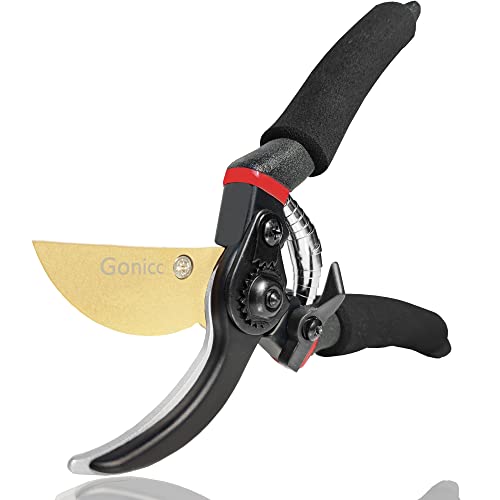
Drop-forged construction delivers exceptional durability and sturdiness for long-term heavy garden use.
Tree Species Considerations
Different fruit trees require distinct pruning times based on their species. For example:
- Apple Trees: Prune during late winter to early spring while they’re still dormant. This timing encourages strong growth when spring arrives.
- Peach Trees: Prune in late winter or early spring, just before they bloom. This helps enhance fruit production.
- Citrus Trees: Prune after the harvest, usually in late winter. This promotes healthy growth and prevents damage during frost.
Using the right species guidelines ensures your trees respond positively to pruning.
Climate and Seasonal Patterns
Your local climate heavily influences the best time to prune. Consider these factors:
- Frost Risk: In colder regions, avoid pruning before the last frost. Pruning can lead to increased vulnerability to frost damage.
- Growing Season: In warmer areas, consider pruning during the dry season. This prevents disease spread and promotes quicker healing.
- Rainfall Patterns: Prune when rain is minimal. Wet conditions can encourage fungal infections, reducing overall tree health.
Keeping these climate factors in mind sharpens your pruning approach, enhancing the care you provide your trees.
When Should You Prune Fruit Trees?
Pruning fruit trees at the right time maximizes health and yield. The timing depends on the type of fruit tree you have and your local climate conditions.
Recommended Products

DUAL CUTTING POWER: VERSATILE PRUNING COMBO --- With both Pruning Shears and Pruning Snip, this combo delivers unmatched versatility. Whether you're delicately trimming flowers and shrubs, tackling thicker tree branches, or tending to your vegetable and fruit garden, our combo pack excels in all areas. They're also perfect for landscaping projects and maintaining the health and appearance of indoor plants. With this pack, you have a versatile tool that simplifies your gardening tasks.

· ULTRA-SHARP SK5 STAINLESS STEEL - Engineered with premium SK5 stainless steel, these heavy duty pruning shears deliver razor-sharp precision and maximum hardness. The rust-resistant blades are designed to stay sharp longer, effortlessly resisting corrosion and sap buildup for smooth, friction-free garden shears performance year after year.
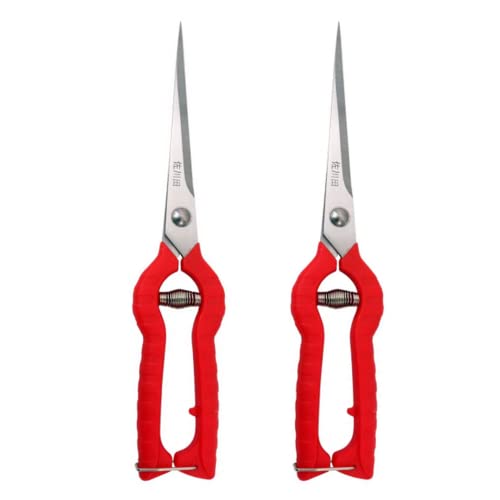
Total length : 245 mm blade length : 96 mm handle length : 122 mm closed handle width : 45 mm
Timing for Different Types of Fruit Trees
- Apple Trees: Prune in late winter or early spring before new growth starts. This timing promotes healing and supports robust growth.
- Peach Trees: Prune just before buds swell, usually in late winter to early spring. This timing reduces the risk of frost damage to new growth.
- Citrus Trees: Prune after harvesting, typically in late spring. This allows you to focus on shaping the tree and improving air circulation.
- Cherry Trees: Prune in late summer after fruiting. This minimizes sap loss and encourages better fruit production in the next season.
- Plum Trees: Prune in early spring just before flowering. This timing enhances flower development and fruit set.
- Use Clean, Sharp Tools: Keep tools disinfected to prevent disease transmission. Sterilize with rubbing alcohol between cuts.
- Make Clean Cuts: Cut branches at a slight angle, close to the trunk or another branch. Avoid tearing the bark.
- Thin Out Crowded Branches: Remove branches that cross or grow inward. This increases sunlight exposure and air circulation.
- Shape the Tree: Maintain an open center for sunlight to penetrate. Encourage outward growth for a balanced structure.
- Remove Dead or Diseased Wood: Cut out any dead wood or signs of disease. This promotes overall tree health and reduces pest habitat.
Following these guidelines ensures your fruit trees thrive, resulting in a bountiful harvest.
Common Mistakes to Avoid
Pruning fruit trees can lead to a healthier harvest, but several common mistakes can hinder your efforts. Avoiding these pitfalls will enhance your pruning success.
Recommended Products

Sharp & Rustproof: Our garden scissors are made of premium stainless steel material, which has corrosion resistance and good hardness. Sharp blades can quickly finish pruning tasks for gardens, vegetable gardens, orchards, and indoor plants

SUPER LIGHTWEIGHT CUT AND HOLD PRUNERS SET: Our Long Reach Pruner weighs 0.79lbs, appropriate length 32 inch is suitable for relaxed cutting. When you deal with twiggy young tree branches, leaves, fruit spur or fence, one hand is enough. There has a minor hand pruner in this set can solve your lower pruning, a bonus garden glove can protect your hand.

Over-Pruning Issues
Over-pruning can severely affect fruit trees. Removing too many branches strips the tree of energy reserves. Aim to remove no more than 20% of the foliage in a single year. This percentage helps maintain robust growth. Pruning too aggressively can lead to stunted tree development and reduced fruit yield. Instead, focus on light pruning each year to shape and improve air circulation.
Pruning at the Wrong Time
Pruning at the incorrect time can damage fruit trees. Each species has a specific timing that promotes healthy growth. For example, apple trees flourish when pruned in late winter or early spring. Peach trees require pruning right before bud swell to avoid harming the blossoms. Pruning citrus trees immediately after harvest encourages new growth for the following season. Always consider your local climate and weather patterns to determine the most suitable time for pruning.
Conclusion
Pruning your fruit trees isn’t just a chore; it’s a vital step in ensuring they thrive and produce delicious fruit. By timing your pruning correctly and using the right techniques, you can boost your trees’ health and productivity.
Remember to pay attention to the specific needs of each tree species and consider local conditions. With a little care and knowledge, you’ll cultivate a beautiful orchard that yields abundant fruit year after year. Happy pruning and enjoy the fruits of your labor!
Frequently Asked Questions
When is the best time to prune fruit trees?
The best time to prune fruit trees varies by species. Generally, apple trees should be pruned in late winter to early spring, peach trees just before budding, and citrus trees after harvest. Checking local climate conditions is important to avoid frost risks.
What are the benefits of pruning fruit trees?
Pruning fruit trees improves air circulation, enhances sunlight exposure, and increases fruit yield. It also helps maintain size and shape while facilitating effective pest control, contributing to the overall health and productivity of the trees.
What techniques are used for pruning fruit trees?
Common pruning techniques include thinning, heading, and rejuvenation. Thinning removes entire branches to enhance light and air, heading cuts back branches to promote growth, and rejuvenation aims to restore older trees by removing older wood.
How much of the tree should be pruned?
It’s advisable to remove no more than 20% of a tree’s foliage in a single year. Over-pruning can strip the tree of necessary energy reserves and hinder future growth.
What tools do I need for pruning fruit trees?
For effective pruning, you will need clean, sharp tools such as hand pruners, loppers, and saws. Ensuring your tools are in good condition is crucial for making clean cuts and reducing damage to the tree.
Are there common mistakes to avoid when pruning?
Common mistakes include over-pruning, improper timing, and failing to use clean tools. It’s essential to prune at the right time for each species and avoid removing excessive foliage to support healthy growth.
