

Have you ever wondered when the right time to move your fruit trees is? Maybe you’ve tried shifting them before and ended up with sad, wilting branches. Timing can make all the difference in helping your trees thrive in their new spot.
Key Takeaways
- Optimal Moving Seasons: The best times to relocate fruit trees are during late fall or early spring when they are dormant, minimizing stress and promoting recovery.
- Signs of Dormancy: Look for leaf drop and a healthy root system as indicators that your tree is ready to move, ensuring a smoother transition.
- Avoid Summer Moves: Transplanting during high temperatures can cause wilting and damage; it’s crucial to choose a cooler season for the best outcomes.
- Soil Preparation: Test and improve soil quality in the new location before moving to ensure a healthy environment for root establishment.
- Post-Move Care: Regular watering, mulching, and monitoring for stress signs are essential steps after relocating to help the tree adapt successfully.
Importance Of Timing In Moving Fruit Trees
Timing plays a crucial role in the success of moving fruit trees. Moving at the right time minimizes stress and encourages healthy growth. During the active growth stage, trees may struggle to adapt when relocated.
Optimal Seasons for Moving
- Dormant Season: Late fall or early spring offers the best conditions. Trees are dormant, meaning they require less energy to recover from relocation.
- Avoid Summer: High heat can lead to wilting and damage. Trees may not withstand the stress from transplanting during this period.
Indicators of Ready-to-Move Trees
- Leaf Drop: If a tree drops leaves, it signals dormancy. This is an ideal time for relocation.
- Root System: If the roots are visible and healthy, moving it can be successful. A robust root system supports recovery.
Effects of Poor Timing
- Wilting Branches: Improper timing often leads to wilting branches. Trees suffer from dehydration.
- Reduced Yield: If trees are moved incorrectly, fruit production may drop. The tree may take longer to establish itself in the new location.
- Plan Ahead: Schedule the move during dormancy for the best results.
- Soak Roots: Before moving, soak the roots in water to reduce shock.
- Prepare the New Site: Ensure the new location is ready for immediate planting to minimize stress.
Understanding and respecting the timing of moving fruit trees ensures a healthy transition. Adhering to these guidelines can lead to fruitful results.
Factors To Consider Before Moving Fruit Trees
When moving fruit trees, several factors can influence the success of the transition. Understanding these elements ensures healthy growth in their new location.
Recommended Products

Quick, at home results for Soil pH, Nitrogen, Phosphorous and Potash Innovative and inexpensive soil test kit features an easy-to-use capsule system and patented color comparators

KNOW BEFORE YOU GROW | Grow the healthiest, sustainable lawn and garden with the most accurate and easy to use professional soil test kit on the market

Accurate Soil pH Testing: Dewildetradingco Soil pH Test Strips offer measurements of soil pH levels (pH 3.5-9). As an essential tool for every gardener and grower, these test strips help determine the optimal pH for various plants, such as outdoor plants, indoor plants, gardens, grass lawns, fruit trees, flowers, vegetables, and forest shrubs.
Climate Conditions
Consider the local climate before relocating your fruit trees. Different regions have varying temperatures, humidity levels, and rainfall patterns. For instance, areas with harsh winters can impact tree dormancy. Aim to move during late fall or early spring when the weather is cooler. Monitor forecasts for extreme weather events like frost or heatwaves that may stress newly transplanted trees.
Tree Species
Different fruit tree species respond uniquely to relocation. Some species, like apple and pear trees, handle stress well, while others, such as citrus, may struggle. Research your specific tree types for their optimal moving times and conditions. For example, peach and cherry trees often thrive when moved in spring, while fig and olive trees prefer early fall. Knowing your tree species can guide your strategy for a successful transition.
Soil Health
Soil quality plays a critical role in your fruit trees’ health after moving. Test the new planting site for nutrient levels and pH balance. Healthy soil supports root establishment and growth. Improve soil quality by adding organic matter such as compost before planting. Additionally, ensure adequate drainage to prevent root rot. A healthy soil environment promotes a smoother transition and a thriving fruit tree in its new home.
Best Times To Move Fruit Trees
Timing plays a crucial role in the successful relocation of fruit trees. Moving during the right season can minimize stress and promote better growth in a new location. Here are the best times to consider.
Recommended Products

Premium Stainless Steel Construction:This bulb planter tool is crafted from high - quality stainless steel.It ensures exceptional durability,making it suitable for long - term use in various soil conditions. Whether you're dealing with moist or dry soil, the tool will maintain its integrity and performance.

★ 1. What you get: Professional convenient grafting tool set including a dual-use grafting pruner tool contain 2 extra replaceable blades, a wrench and a screwdriver, along with 36pcs wide rubber bands, 150 thick rubber bands and 1 grafting tape, packed in a black wallet to meet all your needs

TREE GRAFTING TOOL - Efficiently prepare scion shoots and understock for grafting with our handy garden tool. This standard manual grafting tool can be used to cut stock up to 1/2” in diameter and comes with an excellent illustrated instruction manual.
Spring Moving
Spring is an excellent time to move dormant fruit trees. Aim for early spring, just before the trees start to bud. At this time, the soil is warming up, creating ideal conditions for root establishment. Key advantages of spring moving include:
- Minimal Stress: Trees are still in dormancy, reducing shock during the transition.
- Soil Health: Soil moisture is typically adequate, supporting root recovery.
- Growth Encouragement: Moving in spring allows trees to take advantage of the growing season ahead.
Before moving, ensure that the ground is not overly wet, as soggy conditions can damage roots. Check your specific tree species for optimal timing, as some may vary.
Fall Moving
Moving fruit trees in fall is another viable option. Ideally, plan this for after leaf drop but before the ground freezes. Benefits of fall moving include:
- Dormancy Initiation: Trees prepare to enter dormancy, readying themselves for a move.
- Root Growth: Fall planting can encourage root development as the tree settles in before spring.
- Less Competition: With other plants dying back, trees can establish their roots without competition for nutrients.
Monitor the weather, as extreme cold can hinder the relocation process. Ensure your new planting site has been prepared, with good soil conditions to support root health during the winter months.
Consider the unique needs of your fruit tree species to determine the best moving time tailored to your situation.
Tips For Successfully Moving Fruit Trees
Successful relocation of fruit trees involves careful preparation and attentive aftercare. Follow these guidelines to ensure your trees thrive in their new environment.
Recommended Products

Package Includes: Come with 24 pieces of fruit branch forms stronger branches. which can be used to pull the branches flat, and fruit trees can absorb sunlight, ventilation and fruitfulness.

Branch Shaping Tool: 50 pcs 3.94 inch fruit branch pullers are suitable for 0.4 inch branches, can pull down the drooping angle of branches, suitable for orchards with tree spacing of 1-2 meters and tree age of 1-3 years, pruning angle is 110-135 degrees
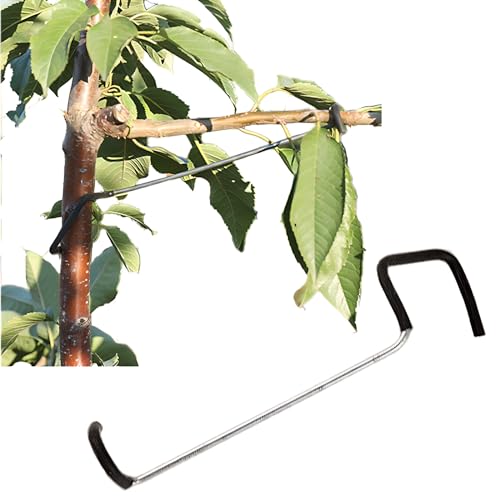
【Not Easy to Damage the Bark】The black part of the branch spreader consists of galvanized iron wire wrapped with the inside of a hose to ensure that the bark does not fray easily. The branch spreader can be reused after removal.
Preparation Steps
- Choose the Right Time: Relocate during late fall or early spring when trees are dormant. This minimizes stress and supports recovery.
- Gather Necessary Tools: Prepare tools like a spade, pruning shears, and a tarp. A sharp spade aids in cutting cleanly through roots.
- Water the Tree: Soak the soil around the tree a few days before moving. This helps the roots stay moist, reducing shock during relocation.
- Root Pruning: Trim roots about a month before the move. This encourages new root growth and makes the tree easier to lift.
- Prepare the New Site: Test soil quality and amend it with organic matter. Create a hole that’s twice as wide as the root ball to give roots ample space to spread.
- Transport with Care: Use a tarp to cradle the tree, protecting roots and branches while moving. Avoid dragging or lifting by branches to prevent damage.
- Water Regularly: Water the newly planted tree deeply every week for at least the first month. This promotes root establishment and prevents wilting.
- Mulch Around the Base: Apply a layer of organic mulch to retain moisture and suppress weeds. Keep the mulch a few inches away from the trunk to avoid rot.
- Monitor Growth: Watch for signs of stress such as wilting leaves or discoloration. Address any issues promptly to assist recovery.
- Limit Pruning: Delay any pruning until the tree shows new growth. Excessive pruning can hinder the tree’s ability to adapt.
- Fertilize Sparingly: Use a diluted, balanced fertilizer after the tree starts to grow again. Over-fertilizing can harm the roots and hinder establishment.
- Protect from Pests: Keep an eye out for pests or diseases. Early detection allows for quicker action, ensuring your tree remains healthy.
Moving fruit trees requires attention to timing, preparation, and diligent aftercare. By following these tips, you encourage your trees to flourish in their new location.
Conclusion
Moving fruit trees is all about timing and care. By choosing to relocate your trees during their dormant season you set them up for success. Whether you opt for late fall or early spring make sure to monitor weather conditions and prepare the new site in advance.
Remember that each tree species has its own needs so doing a little research can go a long way. With the right approach and some thoughtful preparation your fruit trees can thrive in their new home. Happy gardening and may your trees flourish for years to come!
Frequently Asked Questions
When is the best time to move fruit trees?
Moving fruit trees is best done during their dormant season, ideally late fall or early spring. This timing minimizes stress on the trees and promotes healthy growth. Specifically, relocating trees just before they bud in spring or after leaf drop in fall is ideal.
What are some indicators that a fruit tree is ready to be moved?
A fruit tree is typically ready to be moved when it shows signs of leaf drop and has a healthy root system. These indicators suggest that the tree is in dormancy and prepared for relocation with minimal stress.
Why is timing important when moving fruit trees?
Proper timing is crucial because moving trees during their active growth period, like summer, can cause damage from heat stress. The right timing enhances the tree’s chances of survival and ensures better fruit yield in the future.
What factors should I consider before moving fruit trees?
Consider several factors such as local climate conditions, the specific tree species, and soil health. Understanding these elements helps you choose the best time for relocation and ensures a supportive environment for the tree’s new growth.
How should I prepare the new site for relocated fruit trees?
Before moving the tree, ensure the new site has quality soil, is well-drained, and receives adequate sunlight. Test the soil and enhance it with organic matter to promote healthy root establishment and growth.
What post-relocation care should I provide for fruit trees?
After relocating fruit trees, provide regular watering, apply mulch to retain moisture, and monitor for signs of stress. Limit pruning and fertilize sparingly while protecting the tree from pests to encourage recovery and growth.
