

Wondering when to trim your fruit trees for the best harvest? You’re not alone. Many gardeners face the challenge of knowing the right time to prune their trees to encourage healthy growth and abundant fruit.
Key Takeaways
- Optimal Timing for Trimming: Prune most fruit trees in late winter to early spring (late February to early March) for healthy growth, while stone fruit trees benefit from summer pruning (late June to early July).
- Pruning Techniques: Utilize thinning cuts to remove entire crowded branches for better airflow and sunlight penetration, and heading cuts to promote bushier growth.
- Benefits of Trimming: Regular pruning encourages healthy growth, improves fruit quality, enhances airflow, and increases fruit yield by allowing trees to focus energy on fewer, larger fruits.
- Importance of Tools: Use the right tools—hand pruners for small branches, loppers for mid-sized branches, and pruning saws for thicker limbs—to ensure effective trimming and promote quicker healing.
- Climatic Considerations: Adjust trimming schedules based on local climate conditions, recognizing that warmer regions may require earlier pruning than colder climates.
- Consistent Maintenance: Regularly maintain sharp tools and follow proper techniques to support strong tree health and ensure a bountiful harvest each season.
Understanding Fruit Tree Trimming
Trimming fruit trees involves specific techniques and timing to encourage healthy growth and improve fruit production. Timing is crucial, as it directly influences the tree’s health and fruit yield.
Ideal Times for Trimming
- Late Winter to Early Spring: Trim most fruit trees during this time. This period, often before new growth begins, helps the tree heal quickly. For trees like apples and pears, aim for late February to early March.
- Summer Pruning: Conduct light trimming in summer. This practice manages tree shape and size. It’s especially helpful for stone fruit trees, such as cherries and peaches, to improve air circulation and sun exposure.
Benefits of Trimming
- Promotes Healthy Growth: Regular trimming removes dead or diseased branches, allowing healthier limbs to thrive.
- Increases Sunlight: An open canopy enables sunlight to reach all parts of the tree. This results in better fruit quality and flavor.
- Encourages Airflow: Enhanced airflow reduces the likelihood of fungal diseases. You strengthen your tree’s defense by keeping it well-ventilated.
Tools for Trimming
- Pruners: Use these for small branches, ensuring clean cuts.
- Loppers: Suitable for larger branches, loppers provide leverage.
- Saw: A pruning saw handles thicker limbs efficiently.
- Thinning Cuts: Remove entire branches at their point of origin. This technique stimulates growth in remaining branches.
- Heading Cuts: Trim the tips of branches to encourage bushiness. Target branches that extend beyond the desired shape.
- Remove Suckers and Water Sprouts: Suckers grow from the rootstock and compete for resources. Water sprouts emerge from the canopy and need removal to maintain structure.
Always remember to maintain sharp tools for clean cuts, which aids in quicker healing of the tree. Your patience and care during this process guarantee a thriving, productive fruit tree.
Best Times for Trimming
Trimming fruit trees at the right times promotes healthy growth and optimal fruit production. The best times for trimming depend on the type of fruit tree and the specific goals you want to achieve.
Recommended Products

LONG-LASTING SHARPNESS: Japanese SK5 bypass blade with titanium coating is tested through 5,000 cuts to maintain a sharp edge and deliver clean, consistent cuts on live stems and branches

CLEAN CUTS FOR LIVE GROWTH: Bypass blade design is ideal for pruning delicate flower stems and green growth, helping reduce crushing and plant damage while cutting stems and small branches up to 5/8” in diameter
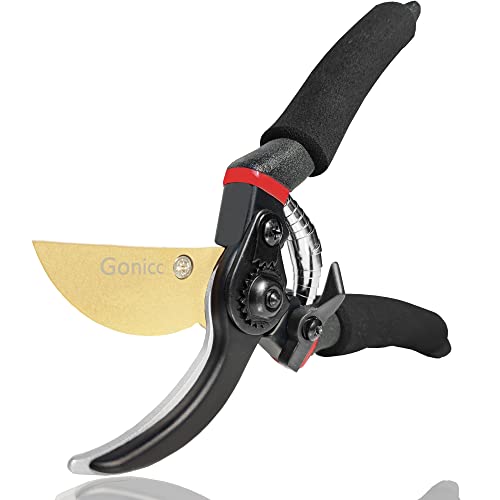
Drop-forged construction delivers exceptional durability and sturdiness for long-term heavy garden use.
Winter Trimming
Winter trimming occurs during late winter or early spring, before new growth begins. This timing applies especially to apple and pear trees. Here are some key points:
- Timing: Aim for late February to early March, when trees are dormant. This minimizes stress on the tree.
- Benefits: Encourages strong growth during the spring. Additionally, it allows for easier visibility of the tree structure.
- Method: Remove dead, damaged, or crossing branches. Focus on thinning to increase airflow and sunlight penetration.
Summer Trimming
Summer trimming focuses on stone fruit trees like cherries and peaches. Light pruning helps manage shape and size while trees are actively growing. Consider these aspects:
- Timing: Late June to early July is ideal. This allows you to assess the tree’s health and growth.
- Benefits: Heightens fruit quality and encourages larger fruit sizes. Summer pruning also allows for quick healing.
- Method: Remove suckers and water sprouts. Lightly thin branches to maintain structure and reduce overcrowding.
By understanding these optimal trimming times for your fruit trees, you can ensure a productive and healthy growing season.
Factors Affecting Trimming Schedule
Several factors influence when you should trim your fruit trees. Understanding these elements helps maintain tree health and optimize fruit yield.
Tree Species
Different fruit trees require varying trimming schedules. For example, apple and pear trees benefit from winter trimming, while stone fruit trees like cherries and peaches thrive with summer pruning. Each species has its optimal timing based on growth patterns. Researching the specific needs of your trees ensures you trim at the right moment, promoting robust health and maximum yield.
Climate Considerations
Climate plays a significant role in determining the best trimming time. In warmer regions, late winter pruning may occur as early as January, while in colder areas, you might need to wait until late March. Temperature fluctuations also affect growth cycles, so be aware of local weather patterns. If spring arrives early, adjust your trimming schedule accordingly to avoid cutting when the tree is beginning to bloom. Always monitor your local climate to make informed decisions about when to trim.
Techniques for Trimming
Trimming fruit trees involves using specific methods and tools to ensure healthy growth and high-quality fruit. Understanding the techniques helps you maintain your trees effectively.
Recommended Products

SK5 STEEL BLADE WITH TEFLON COATING:The tree branch cutter features a SK5 blade with teflon coating to cut down sap adhesion; cast aluminum anvil holds branches firmly while trimming. A spare blade is provided to support long term orchard maintenance and backyard tree trimming work
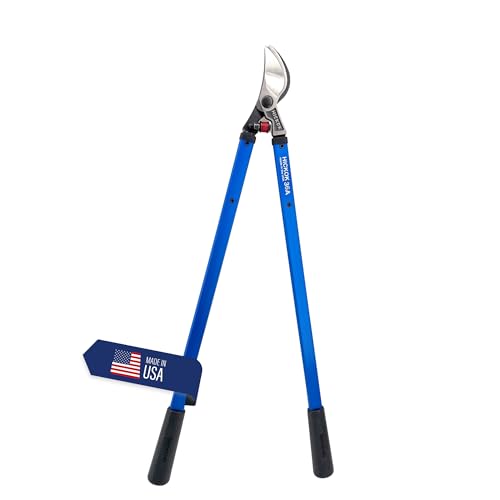
Extended Reach & Superior Cutting Power - Trim high branches with ease using these heavy-duty loppers for tree trimming. The 36-inch length and long handles provide maximum leverage for cutting deep or hard-to-reach limbs.

Adjustable and Durable Handle - Extendable Loppers: The lopping shears are adjustable from 16 inches to 24 inches, allowing you to handle tall branches easily. The iron arm is more sturdy and durable, and will not bend even when cutting large and thick branches.
Pruning Methods
- Thinning Cuts: Make these cuts to remove entire branches. This method encourages light penetration and airflow, promoting fruit development. For example, target crowded areas where branches cross.
- Heading Cuts: Use heading cuts to shorten branches and promote bushier growth. Cut back to a bud or side branch to encourage the tree to branch out more. This technique works well when shaping young trees.
- Sucker Removal: Remove suckers—small shoots growing from the base of the trunk or branches. Their removal directs energy back into the main structure of the tree, enhancing fruit production.
- Water Sprout Removal: Cut off water sprouts—vigorous, vertical shoots. These can sap energy without contributing to fruit production. Focus on removing them to maintain a balanced canopy.
- Seasonal Timing: Adjust pruning methods based on the season. Winter pruning prepares trees for a productive spring, while summer pruning helps manage growth and fruit size.
- Hand Pruners: Use these for small branches (up to ¾ inch). Choose sharp, bypass-style pruners for clean cuts.
- Loppers: Ideal for branches ¾ inch to 1½ inches thick, loppers provide extra leverage. Always check for sharpness before use.
- Pruning Saw: Employ a pruning saw for larger branches over 1½ inches. Use a curved blade for easier cutting, especially in tight spaces.
- Pole Pruner: This tool extends reach, allowing you to prune high branches without using a ladder. It’s perfect for maintaining tall fruit trees.
- Gloves and Safety Glasses: Always wear protective gear. Gloves prevent cuts, while safety glasses shield your eyes from falling debris.
Regularly maintain your tools, keeping them sharp and clean. This ensures effective cuts and promotes quicker healing for your trees. Understanding these techniques and tools allows you to enjoy healthier, more productive fruit trees.
Benefits of Proper Trimming
Proper trimming of fruit trees provides several significant benefits that enhance growth and fruit production.
Promotes Healthy Growth
Trimming encourages new growth by removing dead or damaged branches. Healthy cut areas stimulate the tree to direct energy towards producing fresh, robust branches.
Improves Sunlight Exposure
Trimming opens the canopy to allow more sunlight to reach leaves and fruit. Enhanced light exposure improves photosynthesis, resulting in better fruit quality and flavor.
Enhances Airflow
Effective trimming boosts airflow within the tree. Improved airflow reduces humidity around the foliage, lowering the risk of fungal diseases that can harm fruit production.
Increases Fruit Quality
Regular pruning leads to larger, tastier fruits. By managing the shape and density of the tree, you allow the fruit to mature evenly and reach its full potential.
Control Size and Shape
Strategic trimming helps maintain the desired size and shape of your fruit trees. Control over growth allows for easier harvesting and better access to sunlight and nutrients.
Encourages More Fruits
Trimming can increase overall fruit yield. By focusing energy on fewer fruits, trees often produce larger and healthier fruits rather than many smaller, less viable options.
Reduces Pest Problems
Maintaining proper airflow and reducing overcrowding through trimming keeps pest numbers down. Fewer pests lead to healthier trees and a more bountiful harvest.
Use these benefits to guide your trimming decisions, ensuring your fruit trees thrive year after year. Regular maintenance sets the stage for strong tree health and a productive harvest.
Conclusion
Trimming your fruit trees at the right time is key to a healthy and productive garden. By knowing when to prune and using the right techniques, you can help your trees thrive and yield delicious fruit. Remember to consider your tree species and local climate as you plan your trimming schedule.
With a little care and attention, you’ll enjoy the benefits of well-maintained trees. So grab your tools and get ready to nurture your fruit trees into their best shape yet. Happy gardening!
Frequently Asked Questions
When is the best time to trim fruit trees?
Trimming fruit trees is best done in late winter to early spring, specifically from late February to early March for apples and pears. Stone fruit trees, like cherries and peaches, benefit from light summer pruning in late June to early July.
What are the benefits of trimming fruit trees?
Trimming fruit trees promotes healthy growth, improves sunlight exposure for better fruit quality, encourages airflow to reduce fungal diseases, and helps control tree size and shape, making harvesting easier.
What tools do I need for trimming fruit trees?
Essential tools for trimming fruit trees include hand pruners, loppers, pruning saws, and pole pruners. Keeping tools sharp is vital for making clean cuts and ensuring faster healing for the tree.
What are thinning and heading cuts?
Thinning cuts remove specific branches to improve light and airflow within the tree, while heading cuts encourage denser, bushier growth by shortening a branch, directing energy towards developing fruit.
Does climate influence the trimming schedule?
Yes, climate significantly affects the trimming schedule. Warmer regions may allow for earlier pruning compared to colder areas, and different fruit tree species have specific timing that aligns with their growth patterns.
How does trimming affect fruit yield?
Proper trimming enhances fruit yield by promoting healthy growth, increasing sunlight exposure for photosynthesis, and improving airflow to reduce humidity, all of which lead to better-quality fruit.
What is the importance of maintaining trimming tools?
Maintaining trimming tools ensures they are sharp and effective, allowing for clean cuts. Clean cuts promote quicker healing for trees, reducing the risk of disease and supporting overall tree health.
Can I trim all types of fruit trees at the same time?
No, different types of fruit trees have specific trimming schedules. For instance, apple and pear trees require winter pruning, while stone fruit trees thrive with summer pruning, making it essential to follow the appropriate timing for each type.
