

Ever wondered when those vibrant grapefruits in your backyard reach their peak ripeness? Picture this: you eagerly anticipate the moment when you can pluck a juicy grapefruit straight from the tree, only to find them not quite ready. Fret not, as we’re here to guide you on the exact timing for grapefruit trees to ripen.
Have you ever found yourself pondering when it’s the perfect time to savor the sweet and tangy flavors of homegrown grapefruits? In this article, we’ll share valuable insights on the ripening process of grapefruit trees, helping you determine the optimal moment to enjoy nature’s citrusy delights. Stay tuned to discover the secrets behind harvesting perfectly ripe grapefruits from your own garden.
Key Takeaways
- Grapefruits ripen gradually on the tree, with signs of ripeness including color change, firmness, aroma, sweetness, and flavor balance.
- Factors influencing grapefruit tree ripening time include climate conditions, tree health and age, variety, soil quality, watering practices, and pruning.
- Harvest ripe grapefruits in the morning when cool, using sharp shears to cut them without damaging the tree, and store them properly to maintain freshness.
- Post-harvest, store ripe grapefruits at room temperature for a week or refrigerate for longer, ensuring good air circulation and checking for ripeness regularly.
Overview of Grapefruit Trees Ripening Process
Understanding the ripening process of grapefruit trees is essential for enjoying the sweet and tangy flavors of freshly harvested fruits. Here’s a breakdown of the key stages involved in the ripening of grapefruit on your backyard tree:
Flowering Stage
When your grapefruit tree blooms, it’s the start of the journey towards ripe fruit. The delicate white blossoms signal the tree’s readiness to bear fruit. These blossoms will eventually transform into young green fruits.
Young Fruit Development
As the blooms fade, tiny green grapefruits begin to emerge. At this stage, the fruits are small and hard, gradually growing larger in size. It’s crucial to monitor your tree’s progress during this period.
Maturation Phase
The green grapefruits undergo a transformation as they mature. They start to change color, transitioning from green to yellow or pink, depending on the variety. This color change indicates that the fruits are nearing ripeness.
Ripening Process
Grapefruits ripen on the tree gradually. You can check for ripeness by gently squeezing the fruit. A ripe grapefruit will give slightly to pressure but not feel too soft. Additionally, ripe grapefruits often have a slight give at the stem end.
Harvesting Time
Determining the optimal time to harvest your grapefruits is crucial for ensuring they reach their peak flavor. When the fruits are fully colored and firm to the touch, it’s time to pick them. Remember, grapefruits can continue to sweeten off the tree, so you can let them sit for a few days after harvesting.
- Consider taste-testing a grapefruit from your tree to determine your preferred level of ripeness.
- Monitor your grapefruit tree regularly during the ripening process to pick the fruits at their prime.
By understanding the ripening process of grapefruit trees, you can savor the joy of homegrown, perfectly ripened fruits straight from your backyard.
Factors Affecting Grapefruit Tree Ripening Time
Understanding the factors that influence the ripening time of your grapefruit trees is essential for optimal harvesting. Monitoring these key elements will help you determine the right time for picking your grapefruits.
Recommended Products
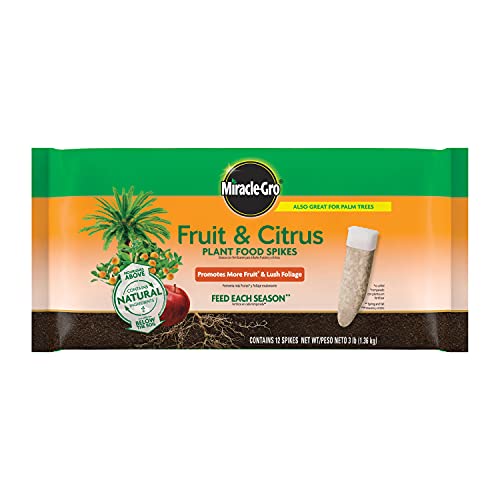
FORMULATED FOR CITRUS AND FRUIT TREES: Use these citrus fertilizer spikes on apple, orange, lemon, lime, and avocado trees; this formula is also great for feeding palm trees

Balanced Organic Nutrition – Supplies a 6‑3‑3 NPK ratio along with calcium, sulfur, iron, and zinc to foster healthy foliage, flowering, and fruit.

LASTING COLOR: Miracle-Gro Tree & Shrub Plant Food Spikes are fertilizer spikes for trees and shrubs; they promote vibrant color and foliage for trees and shrubs in your yard
Climate Conditions
The climate plays a significant role in grapefruit ripening. Warmer temperatures generally accelerate the ripening process, while colder weather can delay it. Consistent sunlight exposure is crucial for grapefruits to ripen properly.
Tree Health and Age
Healthy, mature trees are more likely to produce ripe fruit in a timely manner. Young or stressed trees may take longer to ripen their fruit. Ensuring your tree is well-nourished and free from diseases can promote timely ripening.
Variety of Grapefruit
Different grapefruit varieties have varying ripening periods. Some types may ripen earlier in the season, while others may take longer. Understanding the specific variety you have planted will help you anticipate the ripening timeline.
Soil Quality
The quality of the soil in which your grapefruit tree is planted can impact fruit ripening. Well-draining, nutrient-rich soil can promote healthy growth and timely ripening. Conducting regular soil tests and amending as needed can optimize the ripening process.
Watering and Irrigation
Proper watering practices are crucial for grapefruit ripening. Inconsistent or inadequate watering can lead to delayed ripening or poor fruit quality. Establishing a consistent watering schedule based on your tree’s needs is essential for timely ripening.
Pruning and Maintenance
Regular pruning and maintenance of your grapefruit tree can influence its ripening time. Proper pruning techniques can promote better sunlight penetration and air circulation, aiding in the ripening process. Regularly inspecting and caring for your tree can help it ripen fruit more efficiently.
By paying attention to these key factors, you can actively participate in ensuring that your grapefruit tree ripens at the right time, allowing you to enjoy delicious, homegrown fruit at its peak flavor.
Signs that Indicate Grapefruit Ripening
When tracking the ripening progress of your grapefruit trees, focusing on specific signs can give you a clear indication of when the fruit is ready to be harvested. Monitoring these key indicators will help you enjoy delicious, ripe grapefruits at their best. Here are the signs to look out for:
Color Change
- Bright Yellow Hue: The skin of grapefruits transitions from a green to a bright yellow color as they ripen. Look for a vibrant, sunny yellow shade on the fruit’s peel.
- Consistent Coloration: A uniform yellow appearance across the entire fruit signifies ripeness. Incomplete color change may indicate an underripe fruit.
Firmness and Texture
- Slight Give: When gently squeezed, ripe grapefruits yield slightly to pressure without being too soft. Firmness is a good indicator of the fruit being at its prime.
- Smooth Skin: A ripe grapefruit will have a smooth skin texture without any surface blemishes. Check for a consistent feel across the fruit.
Aroma
- Fruity Scent: Ripe grapefruits emit a sweet, citrusy fragrance that becomes more pronounced as they ripen. Take a whiff near the stem end to detect the fruity aroma.
- Avoid Bruised Odor: If the fruit gives off a fermented or unpleasant smell, it may have started to spoil.
- Sweetness: The fruit reaches its peak sweetness when fully ripe. Taste a small section of the grapefruit to ensure it has a delightful sweet and tangy flavor profile.
- Balanced Flavor: A well-ripened grapefruit will offer a perfect balance of sweetness and acidity in each juicy segment.
By paying attention to these signs, you can confidently determine the optimal time to harvest your grapefruits and savor their delicious taste. Enjoy the fruits of your labor with freshly picked, perfectly ripe grapefruits straight from your own trees.
Harvesting Techniques for Ripe Grapefruits
After carefully monitoring your grapefruit tree and observing the telltale signs of ripeness, it’s time to harvest your delicious fruits for the perfect taste experience. Follow these simple yet effective techniques to ensure you pick ripe grapefruits at the peak of flavor:
Recommended Products

Reduce Hand Strain: These micro tip snips are made to reduces hand fatigue which makes them great for those with arthritis, carpal tunnel, hand or wrist issues; Comfortable “grip” handles will make it easy to work for long-time use without making you feel hand pain

GARDENING ESSENTIAL: Steel blade micro-tip plant shears with sheath ideal for pruning flowers, herbs, and more to encourage overall lawn and garden health

CLEAN CUTS FOR LIVE GROWTH: Bypass blade design is ideal for pruning delicate flower stems and green growth, helping reduce crushing and plant damage while cutting stems and small branches up to 5/8” in diameter
1. Inspection:
Inspect your grapefruits regularly to identify the right time for harvesting. Look for the following indicators to determine ripeness:
- Color: The skin should have a bright yellow hue, signaling maturity.
- Firmness: Gently squeeze the fruit; ripe grapefruits yield slightly to pressure.
- Texture: The surface should feel smooth and slightly bumpy.
- Aroma: A fragrant, citrusy scent indicates ripeness.
- Sweetness: A balanced sweetness without excessive tartness.
- Flavor: Taste a small section to ensure it’s sweet and flavorful.
2. Harvesting:
When you’re confident the grapefruits are ripe, use a sharp pair of pruning shears to gently cut the fruits from the tree. Avoid pulling or tugging, as this can damage the tree and affect future fruit production. Cut the stem close to the fruit, leaving a small piece attached.
3. Timing:
It’s best to harvest grapefruits in the morning when temperatures are cooler. This helps preserve the fruit’s quality and flavor. Ensure the fruits are dry when you pick them to prevent moisture-related issues during storage.
4. Storage:
Store freshly picked grapefruits at room temperature if you plan to consume them soon. For longer storage, keep them in the refrigerator to maintain freshness. Remember to handle the fruits gently to prevent bruising or damage.
By following these harvesting techniques, you can enjoy the fruits of your labor with perfectly ripe and flavorful grapefruits straight from your own tree. Harvesting at the right time ensures that you savor the natural sweetness and refreshing taste of homegrown grapefruits.
Storage and Ripening After Harvest
After harvesting your grapefruits, proper storage is essential to maintain their freshness and flavor. Here are some practical tips to ensure your grapefruits ripen correctly and retain their quality:
Recommended Products

Take a half grapefruit with you on the go

Keep Berries Fresher, Longer: The ventilated, removable inner basket promotes optimal air circulation for freshness – extending the time for delicious snacking and reducing food waste

🍊【ORANGE SAVER】The package contains 1 piece Orange saver. Reduce food waste, keep food fresh.
Immediate Post-Harvest Steps
- Harvest Time: Once harvested, your grapefruits won’t ripen further. Ensure you pick them at the right time.
- Check for Ripeness: Look for signs like color, firmness, and aroma to confirm ripeness before harvesting.
- Handle with Care: Treat the fruits gently to avoid bruising or damaging them, which can affect their ripening process.
Storage Tips
- Room Temperature: For short-term storage, you can keep ripe grapefruits at room temperature for up to a week.
- Refrigeration: Extend the shelf life by storing grapefruits in the refrigerator, maintaining their freshness for a few weeks.
- Ventilation: Ensure proper air circulation around the fruits to prevent mold growth and maintain their quality.
Ripening Guidance
- Counter Ripening: Placing underripe grapefruits at room temperature can help them ripen gradually.
- Check Regularly: Monitor the fruits’ ripeness daily to enjoy them at their peak flavor.
- Separate Spoiled Fruits: Remove any spoiled grapefruits promptly to prevent others from getting affected.
- Washing: Before consuming, wash the grapefruits thoroughly under running water.
- Peeling: Peel the grapefruits properly to access the juicy segments inside.
- Enjoy Fresh: Eat the grapefruits fresh or use them in various culinary dishes for a burst of citrus flavor.
By following these storage and ripening practices, you’ll ensure that your harvested grapefruits reach optimal ripeness and retain their delightful taste for you to enjoy whenever you crave a refreshing citrus treat.
Conclusion
Now that you know the key factors affecting grapefruit tree ripening and the signs to look for when your grapefruits are ready to be harvested, you’re well-equipped to enjoy the fruits of your labor. By following the tips on monitoring ripeness, harvesting techniques, and post-harvest storage, you can ensure that your grapefruits are bursting with flavor when you’re ready to enjoy them. Remember, a little patience and attention to detail go a long way in ensuring your grapefruits reach their peak ripeness. Happy harvesting and savoring the delicious taste of your homegrown grapefruits!
Frequently Asked Questions
1. What factors influence the ripening time of grapefruit trees?
Several factors impact grapefruit tree ripening, including climate conditions, tree health, grapefruit variety, soil quality, watering practices, and pruning.
2. How can I tell when grapefruits are ripe and ready to harvest?
Ripe grapefruits exhibit changes in color, firmness, texture, aroma, sweetness, and flavor balance. Monitoring these signs helps determine optimal harvest time.
3. What are some harvesting techniques for ripe grapefruits?
Harvest ripe grapefruits by inspecting for readiness, using proper methods and timing, and following storage practices to maintain freshness and taste.
4. What are some post-harvest storage tips for grapefruits?
After harvesting, store grapefruits at room temperature or in the refrigerator based on ripeness to retain flavor. Wash, peel, and enjoy fresh or in dishes for best results.
