

Guava trees thrive in South Carolina’s warm climate, making them an excellent choice for local gardeners. Proper care, including soil selection and pest management, ensures healthy growth and fruit production.
Selecting Ideal Guava Varieties for South Carolina
Choosing the right guava varieties is crucial for successful cultivation in South Carolina’s unique climate. With its warm temperatures and varying soil types, selecting varieties that thrive in these conditions can enhance fruit quality and yield. This section explores the best guava options tailored to the region, ensuring a fruitful harvest for local growers.
Selecting the right guava tree variety is crucial for successful cultivation in South Carolina. The most common varieties include the Tropical Pink, White Indian, and Pineapple guava.
Each variety has unique characteristics regarding flavor, size, and growth habits. Understanding these differences helps gardeners choose the best option for their specific environment.
| Variety | Flavor Profile | Growth Habit | Size |
|---|---|---|---|
| Tropical Pink | Sweet, aromatic | Upright | 10-15 feet |
| White Indian | Mild, sweet | Spreading | 8-12 feet |
| Pineapple | Tangy, sweet | Compact | 6-10 feet |
Soil Testing for Guava Tree Success
Understanding the importance of soil testing is crucial for cultivating healthy guava trees in South Carolina. This process not only identifies nutrient deficiencies but also helps optimize soil conditions for robust growth. By assessing pH levels and nutrient content, growers can tailor their care strategies to ensure thriving guava trees in the region’s unique climate.
Guava trees prefer well-drained, sandy loam soil with a pH between 6.0 and 7.0. Conducting a soil test before planting helps determine nutrient levels and pH balance. Adding organic matter, such as compost, improves soil structure and fertility.
Amend soil with compost to enhance drainage.
Test pH and adjust using lime or sulfur as needed.
Ensure proper drainage to prevent root rot.
Watering Strategies for Guava Tree Growth
Effective watering is crucial for the healthy growth of guava trees in South Carolina’s unique climate. Understanding the specific moisture needs of these tropical plants can significantly enhance their development and fruit production. This section explores tailored watering strategies that align with the region’s weather patterns and soil conditions.
Watering is essential for the establishment and growth of guava trees. Newly planted trees require consistent moisture, while established trees can tolerate short dry spells.
Water deeply once a week during dry periods.
Mulch around the base to retain moisture.
Monitor soil moisture to avoid overwatering.
Recommended Products

Accurate Soil Moisture Detection: The XLUX Soil Moisture Meter can tell you if the soil deep inside your pot or garden is dry, moist or wet; whereas your eyes and fingers can only determine the moisture level of the soil surface. The probe is 5.5 inches (14 cm) longer than regular styles, allowing it to measure the soil moisture at the bottom of larger and deeper flower pots.

Kindly NOTE: This soil tester can not be applied to test pH value of any other liquid. If the soil is too dry the indicator will not move, and water it before testing.

Accurate Soil Moisture Detection: The XLUX Soil Moisture Meter detects deep soil moisture in pots or gardens (dry/moist/wet), unlike eyes or fingers that only sense surface soil.
Proactive Pest and Disease Management for Guava Trees
Effective pest and disease management is crucial for the health of guava trees in South Carolina. By implementing proactive strategies, growers can protect their trees from common threats, ensuring robust growth and fruit production. Understanding the specific challenges faced in this region will help in developing tailored solutions for maintaining vibrant guava orchards.
Guava trees are susceptible to various pests and diseases, including fruit flies and root rot. Regular monitoring and preventive measures can help manage these issues effectively.
Inspect leaves for signs of pests.
Use insecticidal soap to control infestations.
Practice crop rotation to prevent soil-borne diseases.
Recommended Products

KILLS LISTED FRUIT & CITRUS TREE INSECTS: Controls Asian Citrus Psyllid, Whiteflies, Aphids Thrips, Citrus Leafminers, Leafhoppers, Blackfly, Mealybugs, Scales, Avocado Lacebugs, Oriental Beetles, Flea Beetles, Sharpshooters, and Spittlebugs

INSECT KILLER: Fast-acting formula kills listed insects including aphids, Japanese beetles, caterpillars, whiteflies, and other listed pests on contact

Fertilization Techniques for Guava Trees
Fertilizing guava trees in South Carolina is essential for promoting healthy growth and fruit production. Understanding the specific nutrient needs and optimal application methods can significantly enhance the vitality of these tropical trees. This section delves into effective fertilization techniques tailored to the unique conditions of the Southern climate.
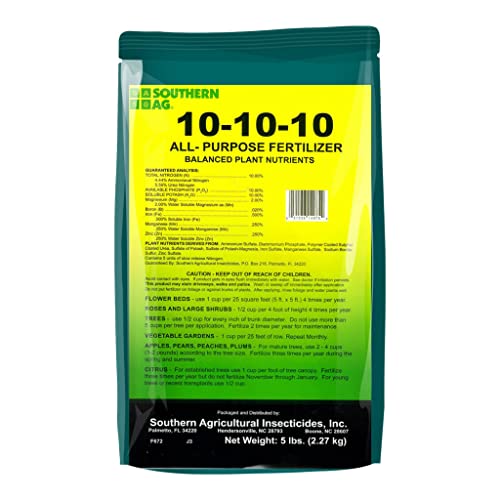
Proper fertilization plays a vital role in enhancing fruit quality and quantity. A balanced fertilizer with a ratio of 10-10-10 or similar can support healthy growth.
Apply fertilizer in early spring and again in late summer.
Follow package instructions for application rates.
Consider foliar feeding for an immediate nutrient boost.
Recommended Products

Supports Flowering & Fruit Production – Helps encourage strong flowering, fruit set, and consistent guava development.
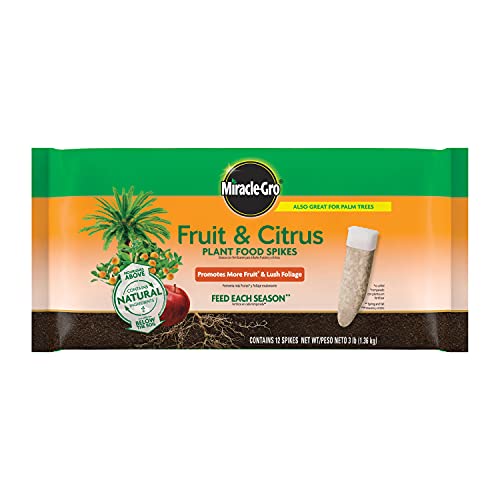
FORMULATED FOR CITRUS AND FRUIT TREES: Use these citrus fertilizer spikes on apple, orange, lemon, lime, and avocado trees; this formula is also great for feeding palm trees
Optimal Harvest Timing for Guava Flavor
Timing the harvest of guava fruit is crucial for achieving the best flavor and quality. In South Carolina, understanding the specific growth cycles and environmental factors can significantly enhance the taste of your guavas. This section explores the optimal times for harvesting to ensure a delicious yield.
Timing is critical when harvesting guava fruit. Picking at the right moment ensures the best flavor and texture.
Harvest when fruits are slightly soft to the touch.
Use pruning shears to avoid damaging the tree.
Store harvested fruit in a cool place to extend shelf life.
Companion Plants for Thriving Guava Trees
Companion planting can significantly enhance the growth and health of guava trees in South Carolina. By selecting the right plants to grow alongside guavas, gardeners can improve soil conditions, deter pests, and boost overall yields. This section explores the best companion plants that complement guava trees, ensuring a thriving garden ecosystem.
Companion planting can enhance the growth of guava trees by improving soil health and deterring pests. Certain plants can provide shade, nutrients, or attract beneficial insects.
Plant marigolds to deter harmful pests.
Include legumes to fix nitrogen in the soil.
Use herbs like basil to repel insects.
Local Gardening Clubs for Guava Cultivation
Local gardening clubs play a vital role in supporting guava cultivation in South Carolina. These communities offer resources, shared experiences, and expert advice tailored to the unique climate and soil conditions of the region. Engaging with these clubs can enhance your knowledge and success in growing healthy guava trees.
Local gardening clubs and agricultural extensions provide valuable resources for guava tree cultivation. Engaging with these communities can offer insights specific to South Carolina’s climate and soil conditions.
Join local gardening clubs for networking.
Attend workshops on fruit tree care.
Consult agricultural extensions for expert advice.
Guava Tree Care Guidelines for South Carolina
Caring for guava trees in South Carolina requires an understanding of the region’s unique climate and soil conditions. Proper maintenance techniques, including watering, pruning, and pest management, are essential for thriving trees. This section outlines practical guidelines tailored to help both novice and experienced gardeners successfully cultivate guava trees in the southern landscape.
| Aspect | Recommendation |
|---|---|
| Soil Type | Sandy loam |
| pH Level | 6.0 – 7.0 |
| Watering Frequency | Weekly (deep watering) |
| Fertilization | 10-10-10 ratio |
| Pest Control | Insecticidal soap |
Growing guava trees in South Carolina can be rewarding with the right knowledge and practices. By selecting suitable varieties, optimizing soil conditions, and managing pests, gardeners can enjoy abundant fruit harvests.
