

Ever found yourself wondering what to do with the seeds when you slice into a juicy cantaloupe? You’re not alone. It’s a common dilemma many of us face after enjoying the sweet flesh of this refreshing fruit.
Imagine having a simple solution at your fingertips that not only reduces waste but also adds a new dimension to your culinary adventures. That’s where knowing how to make the most of those cantaloupe seeds can truly elevate your kitchen skills and creativity.
Key Takeaways
- Cantaloupe seeds are rich in essential vitamins and minerals, including vitamin K and E.
- Consuming cantaloupe seeds can offer health benefits such as immune support, improved digestion, and heart health.
- Roasting cantaloupe seeds enhances their flavor and crunch, making them a delicious snack or salad topping.
- Creative ways to use cantaloupe seeds include blending them into smoothies, sprinkling over salads, adding to baked goods, or mixing into granola.
- Cantaloupe seeds can also be used in homemade beauty treatments as a natural exfoliant for smooth and revitalized skin.
- Proper storage of cantaloupe seeds involves keeping them dry in an airtight container in a cool, dark place or freezing them for extended shelf life.
Nutritional Benefits of Cantaloupe Seeds
Cantaloupe seeds are not just meant for discarding; they offer a wealth of nutritional benefits that can boost your health and well-being. Here’s why you should consider incorporating them into your diet:
Rich in Vitamins and Minerals
Cantaloupe seeds are packed with essential vitamins and minerals that are beneficial for your body. They are particularly rich in vitamin K, which plays a crucial role in blood clotting and bone health. Additionally, these seeds contain significant amounts of vitamin E, an antioxidant that helps protect your cells from damage.
- Vitamin K: Cantaloupe seeds provide about 30% of the daily recommended intake of vitamin K per ounce.
- Vitamin E: With around 10% of the daily value per ounce, cantaloupe seeds contribute to your overall antioxidant intake.
Health Advantages of Consuming Cantaloupe Seeds
Incorporating cantaloupe seeds into your diet can offer various health advantages due to their nutrient content. These small but mighty seeds can help support your immune system, improve digestion, and promote heart health.
- Immune Support: The zinc content in cantaloupe seeds aids in supporting a healthy immune system.
- Digestive Health: The fiber found in cantaloupe seeds promotes good digestive function by aiding bowel movements.
- Heart Health: The potassium content in these seeds contributes to maintaining healthy blood pressure levels.
By recognizing the nutritional benefits of cantaloupe seeds and finding creative ways to include them in your meals, you can elevate both the flavor profile and nutrition quotient of your dishes.
Methods to Prepare Cantaloupe Seeds
When it comes to preparing cantaloupe seeds, there are various methods you can use to make the most out of these nutritious gems. Here are some simple yet effective ways to prepare and enjoy cantaloupe seeds:
Recommended Products
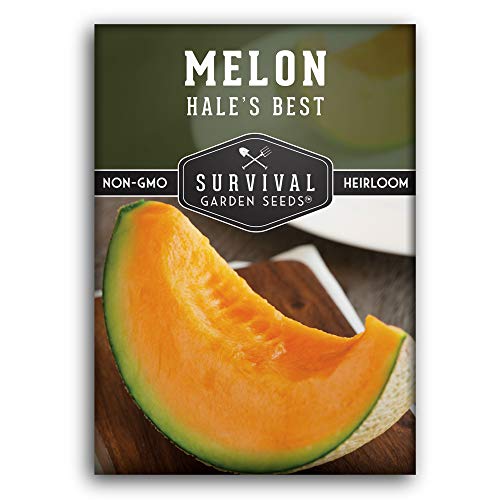
HEIRLOOM CANTALOUPE SEEDS – Enjoy classic homegrown flavor with sweet, juicy orange flesh and a small seed cavity for plenty of delicious fruit in every harvest from this beloved heirloom cantaloupe

Name: Hales Best Jumbo Melon | Type: Heirloom

Tender, Orange flesh delivers perfect melodious honey-sweetness
Roasting Cantaloupe Seeds
Roasting cantaloupe seeds is a popular method that enhances their flavor and gives them a satisfying crunch. To roast cantaloupe seeds:
- Preheat your oven to 325°F.
- Rinse the seeds thoroughly to remove any pulp.
- Pat the seeds dry with a paper towel.
- Toss the seeds with a bit of olive oil and your choice of seasonings like salt, pepper, or paprika.
- Spread the seeds in a single layer on a baking sheet.
- Roast for about 15-20 minutes until they turn golden brown, stirring occasionally for even roasting.
- Let them cool before enjoying as a snack or adding them to salads for an extra crunch.
Incorporating into Recipes
Another fantastic way to use cantaloupe seeds is by incorporating them into various recipes for added texture and nutrition. Here are some creative ideas on how you can incorporate cantaloupe seeds into your dishes:
- Smoothies: Blend cantaloupe seeds into your favorite smoothie recipes for an extra nutritional boost.
- Salads: Sprinkle roasted cantaloupe seeds over salads or grain bowls for added crunch and flavor.
- Baked Goods: Add ground cantaloupe seeds to baked goods like muffins or bread for a nutty flavor profile.
- Granola: Include roasted cantaloupe seeds in homemade granola mixes for a crunchy texture.
Creative Uses of Cantaloupe Seeds
If you’re looking to explore beyond the conventional consumption of cantaloupe seeds, here are some creative ideas to make the most out of them.
Recommended Products
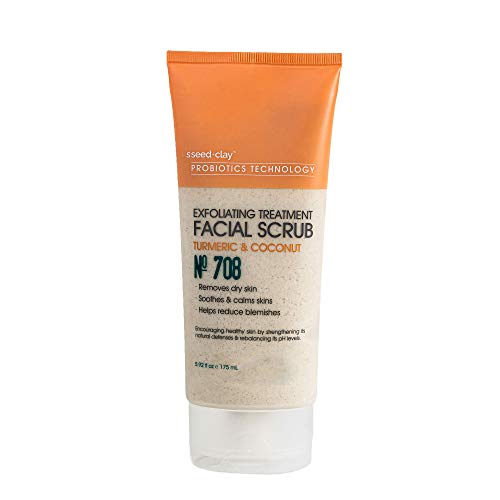

Deeply nourish and balance skin’s hydration to help restore skin's natural glow

WATERMELON SUGAR BODY SCRUB: America’s #1 Body Scrub Brand* gently exfoliates dull, dry skin to reveal softer, smoother, glowing skin with juicy notes of watermelon, lemon zest, and sweet raspberry
Homemade Beauty Treatments
Enhance your skincare routine by incorporating cantaloupe seeds into homemade beauty treatments. Crushed cantaloupe seeds can be used as a natural exfoliant to gently remove dead skin cells, leaving your skin feeling smooth and revitalized. You can mix these seeds with honey or yogurt for added benefits and apply the mixture in gentle circular motions on damp skin. Rinse off with warm water to reveal a radiant complexion.
Storing and Preserving Cantaloupe Seeds
When it comes to storing and preserving cantaloupe seeds, here are some best practices for longevity:
Recommended Products

Seed Storage Organizer Set: This seed packet organizer box set includes 1 plastic portable seed packet storage boxes and 100 seed envelopes and 50 stickers

This seed storage set includes 1 zippered storage bag, 60 storage bottles, 20 seed envelopes, 3 gardening tools, and label stickers, which effectively prevent moisture and light, ensuring dry and safe storage of seeds

UNCOMPROMISING SEED SECURITY - Your precious seed collection deserves more than a plastic container. Our upgraded dual safety locks create a fortress against moisture, curious kids, and pests. The light-proof, coated metal walls maintain seed viability, so your heirloom tomatoes and rare peppers are always ready for the next season.
Keep Them Dry
Store your cantaloupe seeds in an airtight container or resealable bag. Make sure the seeds are completely dry before sealing them to prevent mold growth.
Cool, Dark Place
To maintain freshness, store the seeds in a cool, dark place like a pantry or cupboard. Avoid exposure to direct sunlight or heat as it can affect the seed quality.
Label and Date
It’s essential to label the container with the date of storage. This way, you can keep track of how long the seeds have been stored and ensure you use them within a reasonable timeframe.
Freezing Option
If you want to extend the shelf life of your cantaloupe seeds further, consider freezing them. Place the seeds in a freezer-safe container or bag, removing any excess air before sealing.
By following these simple steps, you can ensure that your cantaloupe seeds remain fresh and ready for use whenever you need them.
Conclusion
You’ve now discovered the wonderful world of cantaloupe seeds! From their nutritional value to various preparation methods, you’re equipped with the knowledge to make the most of these tiny powerhouses. Whether you choose to roast them for a tasty snack or add them to your favorite recipes for an extra health boost, there are endless possibilities to explore. Don’t forget about their beauty benefits too; incorporating them into DIY skincare treatments can leave your skin glowing and refreshed. By following simple storage tips, you can ensure that your stash of cantaloupe seeds remains fresh and ready whenever inspiration strikes. Embrace the versatility of these often-overlooked seeds and enjoy all the benefits they have to offer!
Frequently Asked Questions
Are cantaloupe seeds nutritious?
Yes, cantaloupe seeds are packed with essential vitamins and minerals like vitamin E, magnesium, and zinc.
What are the health benefits of consuming cantaloupe seeds?
Consuming cantaloupe seeds can boost immunity, aid digestion, improve heart health, and promote healthy skin and hair.
How can I prepare cantaloupe seeds for consumption?
You can roast cantaloupe seeds for added flavor and crunch or incorporate them into recipes like smoothies, salads, baked goods, and granola.
What creative uses do cantaloupe seeds have besides consumption?
Cantaloupe seeds can be used in homemade beauty treatments as a natural exfoliant for smooth and revitalized skin.
How should I store and preserve cantaloupe seeds?
Store cantaloupe seeds in a cool, dark place in an airtight container labeled with the date of storage. You can also freeze them to extend their shelf life.
