

Are you thinking about growing fruit trees in pots but unsure what soil to use? You’re not alone. Many aspiring gardeners face this challenge, and the right soil can make all the difference in your tree’s health and fruit production.
Key Takeaways
- Soil Selection is Crucial: The right soil significantly impacts fruit tree growth and fruit yield, promoting healthier roots and better nutrient absorption.
- Ensure Good Drainage: Use a mix of potting soil and perlite to improve drainage, and always opt for pots with drainage holes to prevent root rot.
- Nutrient-Rich Soil: Choose soil that contains essential nutrients (nitrogen, phosphorus, potassium) and consider pre-mixed potting soils designed for fruit trees.
- Maintain Ideal pH Levels: Aim for a pH level between 6.0 and 7.0 to ensure nutrient availability; regular testing is recommended for optimal results.
- Use Appropriate Pot Size: Bigger pots (at least 18 inches in diameter) provide more soil volume, supporting root growth and moisture retention.
- Incorporate Mulch: Applying organic mulch helps retain moisture, suppress weeds, and add nutrients back into the soil over time.
Importance Of Choosing The Right Soil
Selecting the correct soil for fruit trees in pots impacts their growth and fruit yield significantly. Healthy soil fosters strong root development, enhances nutrient absorption, and retains moisture without becoming waterlogged.
Drainage
Ensure the soil drains well. Fruit trees in pots require a balance of moisture and air. You can use a mix of potting soil and perlite for improved drainage. Drainage holes in pots help excess water escape, preventing root rot.
Nutrient Content
Choose soil packed with essential nutrients. Nutrients such as nitrogen, phosphorus, and potassium support overall plant health. Look for pre-mixed potting soils specifically formulated for fruit trees. These mixes often contain organic matter that enriches the soil.
pH Level
Maintain a suitable pH level, ideally between 6.0 and 7.0. A slightly acidic to neutral pH promotes nutrient availability. Test the soil using a pH meter or test strips to ensure it meets these requirements.
Volume
Provide enough soil volume. Larger pots hold more soil, which supports root growth and moisture retention. Pots should be at least 18 inches in diameter for most fruit trees, but larger trees may require even bigger containers.
Mulching
Consider mulching the surface of the soil. Mulch helps retain moisture, suppress weeds, and regulate temperature. Organic mulches, like wood chips or straw, break down over time, adding nutrients back into the soil.
By focusing on these factors, you create an ideal environment for your fruit trees to thrive in pots.
Types Of Soil For Fruit Trees In Pots
Choosing the right soil for fruit trees in pots is crucial for their growth and fruit production. Here are some types to consider:
Recommended Products
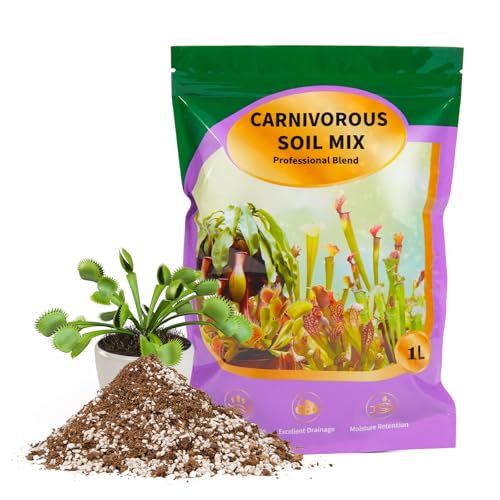
【Low-Nutrient Formula】Specifically formulated with a low-nutrient profile to mimic the natural, nutrient-poor environments where carnivorous plants thrive.

Hand Blended Money Tree Soil- Hand blended soil perfect for growing money tree plants, Great for repotting or planting money trees.
Organic Soil Mixes
Organic soil mixes comprise natural materials that enhance soil quality. These mixes typically include:
- Peat Moss: Provides moisture retention while improving aeration.
- Compost: Supplies essential nutrients and fosters beneficial microbial activity.
- Coconut Coir: Serves as an excellent alternative to peat moss, promoting moisture retention without compacting.
- Bark Mulch: Aids drainage and provides organic matter as it breaks down.
These components create a rich, balanced environment that supports root development and encourages healthy growth.
Inorganic Soil Components
Inorganic components contribute to soil stability and drainage. Consider using:
- Perlite: Helps with aeration and prevents soil compaction.
- Vermiculite: Retains moisture and nutrients while improving drainage.
- Sand: Enhances drainage and prevents waterlogging, especially in heavier mixes.
Combining these inorganic materials with organic mixes can improve texture and ensure your fruit trees thrive in pots.
Drainage Considerations
Proper drainage is crucial for the health of your fruit trees in pots. It prevents root rot and allows the roots to breathe, ensuring they receive necessary nutrients and water. Choosing the right soil and pot can make a significant difference in drainage.
Recommended Products

Enriched with Organic Fertilizer – This lemon tree fertilizer provides nutrients for up to 6 months, so your citrus trees stay healthy and productive with minimal upkeep.

Made For Potted Citrus Trees: Our citrus potting soil mix is made for potted lemon, lime, orange and other citrus trees that need a lighter growing medium for repotting. We double-screen all of our raw ingredients to support a cleaner, more consistent texture for pouring and repotting potted citrus trees.

Made For Potted Citrus Trees: Our citrus potting soil mix is made for potted lemon, lime, orange and other citrus trees that need a lighter growing medium for repotting. We double-screen all of our raw ingredients to support a cleaner, more consistent texture for pouring and repotting potted citrus trees.
Importance Of Drainage
Drainage affects how water and air travel through the soil. Good drainage prevents standing water, which can suffocate roots and promote diseases. Healthy roots require both moisture and oxygen. When soil retains too much water, it compromises the tree’s overall health. You might notice yellowing leaves or stunted growth if drainage isn’t optimal.
How To Improve Drainage
You can take several simple steps to enhance drainage for your potted fruit trees:
- Choose the Right Pot: Select pots with drainage holes. Larger holes allow excess water to escape, reducing the risk of root issues.
- Use Quality Soil Mix: Combine organic materials like compost or coconut coir with inorganic components like perlite or sand. This mix increases aeration and improves drainage.
- Add a Drainage Layer: Place a layer of gravel or small stones at the bottom of the pot. This acts as a reservoir for excess water, helping to prevent soggy soil.
- Avoid Overwatering: Monitor your watering habits. Only water when the top inch of soil feels dry. Adjust your schedule depending on your tree’s needs and the season.
- Consider Soil Amendments: If your soil retains too much water, try adding more perlite or sand. This modification helps create a well-draining environment.
Implementing these practices will contribute to a healthier growing environment and encourage robust fruit production.
Nutrient Requirements For Fruit Trees
Selecting the right nutrients is crucial for the growth and productivity of fruit trees in pots. A balanced nutrient profile supports healthy development and fruiting.
Recommended Products

Balanced Organic Nutrition – Supplies a 6‑3‑3 NPK ratio along with calcium, sulfur, iron, and zinc to foster healthy foliage, flowering, and fruit.
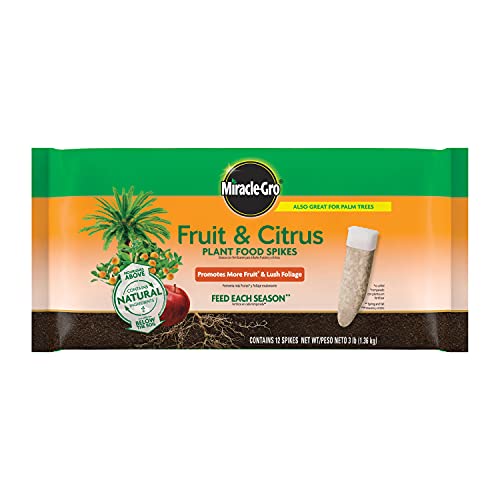
FORMULATED FOR CITRUS AND FRUIT TREES: Use these citrus fertilizer spikes on apple, orange, lemon, lime, and avocado trees; this formula is also great for feeding palm trees

Produce abundant and vibrant fruit and blooms! This product works by strengthening your plant's roots to increase nutrient uptake… enabling it to bloom and produce like you've never seen!
Essential Nutrients
Fruit trees require several essential nutrients for optimal growth:
- Nitrogen: Promotes leaf and stem growth. Look for fertilizers labeled as high in nitrogen during the early stages of growth.
- Phosphorus: Aids in root development and flowering. Choose a fertilizer with a higher middle number on the N-P-K scale, especially when blooms appear.
- Potassium: Enhances fruit quality and disease resistance. Select a fertilizer that includes potassium as fruits begin to develop.
- Calcium: Supports strong cell walls and prevents blossom end rot. Adding lime can help improve calcium levels in the soil.
- Magnesium: Essential for chlorophyll production. Adding Epsom salts increases magnesium content and supports overall health.
- Micronutrients: Incorporate trace elements like iron, zinc, and manganese, which are vital in smaller amounts for overall health.
Regularly check the nutrient levels in your soil, especially during the growing season. Use a soil test kit for accurate readings and identify any deficiencies.
Amendments For Soil Quality
Enhancing soil quality ensures that fruit trees thrive in pots. Consider these amendments:
- Compost: Adds organic matter and nutrients, improving moisture retention and aeration. Mix in a 20% compost ratio with your potting soil.
- Perlite: Increases drainage and aeration. Include perlite at a rate of 10-30% in your soil mix, especially if your potting soil is heavy.
- Vermiculite: Maintains moisture and nutrient levels. Use vermiculite at 10-20% for moisture retention without water-logging.
- Organic Mulch: Helps regulate temperature and retain moisture. Apply a 1-2 inch layer of organic mulch on top of the soil.
- Bone Meal: Offers a slow-release source of phosphorus. Incorporate bone meal at planting time for enhanced root development.
Regularly amend the soil as needed to maintain nutrient levels and support the health of your fruit trees. Remember that potted fruit trees may require more frequent supplementation than those planted in the ground.
Conclusion
Choosing the right soil for your potted fruit trees is essential for their success. By focusing on drainage and a balanced mix of organic and inorganic components you can create an environment where your trees can flourish. Remember to monitor nutrient levels and adjust as needed to keep your trees healthy and productive.
With a little care and the right soil mix your fruit trees can thrive in pots and reward you with delicious fruits for years to come. Happy gardening!
Frequently Asked Questions
What type of soil is best for growing fruit trees in pots?
To grow fruit trees in pots, use a nutrient-rich soil mix that combines organic components like peat moss and compost with inorganic materials such as perlite or vermiculite. This blend improves moisture retention, drainage, and nutrient supply.
How important is drainage for potted fruit trees?
Drainage is crucial for potted fruit trees as it prevents root rot and ensures roots receive necessary nutrients and water. Use pots with drainage holes and avoid overwatering to maintain healthy roots.
What nutrients do fruit trees need for optimal growth?
Fruit trees require essential nutrients like nitrogen, phosphorus, potassium, calcium, and magnesium, along with various micronutrients. Regular soil testing helps monitor nutrient levels and identify deficiencies for healthy growth.
How can I improve the soil quality for my potted fruit trees?
Enhance soil quality by adding amendments such as compost, perlite, vermiculite, and organic mulch. These improve moisture retention, aeration, and nutrient availability, ensuring your trees thrive in pots.
How often should I amend the soil for potted fruit trees?
Potted trees typically need more frequent soil amendments compared to ground-planted trees. Regularly check soil nutrient levels and apply amendments to maintain optimal health and productivity.
