

Are you ready to plant a fruit tree but unsure what size to choose? You’re not alone. Many gardeners face this dilemma, whether they’re working with a small backyard or a sprawling orchard. The right size can make a big difference in your tree’s health and productivity.
Key Takeaways
- Understand Size Options: Fruit trees come in three sizes—dwarf (3-6 feet), semi-dwarf (6-10 feet), and standard (10-25 feet)—each suited for different garden spaces.
- Space Matters: Assess your available space before purchasing. Dwarf trees are ideal for small areas, while standard trees need ample room to accommodate their height and spread.
- Consider Climate & Maintenance: Different tree sizes thrive in varying climates and require different levels of care, from low-maintenance dwarf trees to more demanding standard trees.
- Recognize Benefits: Dwarf trees offer early fruiting and low maintenance, while standard trees yield more fruit and provide aesthetic value and shade.
- Avoid Common Mistakes: Ensure you accurately measure your planting area and understand the growth patterns of each tree type to avoid overcrowding and maintain a balanced landscape.
Understanding Fruit Tree Sizes
Choosing the appropriate size for your fruit tree affects its growth, health, and productivity. Fruit trees come in three main sizes: dwarf, semi-dwarf, and standard.
Recommended Products

Product Quantity: 180+ premium bonsai fruit seeds across 5 varieties; Individual packs contain 40+ apple, 40+ lemon, 40+ orange, 20+ blueberry, and 40+ cherry seeds; Perfect for starting a diverse miniature orchard

Product Quantity: Five+ dwarf peach tree seeds per packet; Premium selection for optimal viability; Perfect for starting your own backyard orchard

4 kinds of the most popular fruits, individually packaged, 50pcs Lemon seeds 50pcs Cherry seeds 50pcs Orange seeds 50pcs Apple seeds Fresh seeds, all fruit seeds are packed in tear and moisture resistant zipper sealed bags for your long term storage.
Dwarf Fruit Trees
Dwarf fruit trees typically reach heights of 3 to 6 feet. They suit small gardens, patios, or containers. These trees produce full-sized fruit and often bear earlier than their larger counterparts. For example, a dwarf apple tree can yield fruit in as little as 2 to 3 years. Space these trees 4 to 5 feet apart for optimal growth.
Semi-Dwarf Fruit Trees
Semi-dwarf fruit trees generally grow between 6 to 10 feet tall. They balance space and productivity, making them ideal for medium-sized yards. These trees produce fruit similar in size to standard trees, but bear fruit within 3 to 4 years. For instance, a semi-dwarf peach tree can provide ample fruit while fitting nicely into a small orchard setup. Plant these trees 8 to 12 feet apart to ensure enough space for sun exposure and air circulation.
Standard Fruit Trees
Standard fruit trees can reach heights of 10 to 25 feet. They thrive in larger spaces and require more care to maintain their health. These trees often produce the highest yields, taking 5 to 7 years before they bear fruit. A standard cherry tree, for example, can be a stunning centerpiece in an expansive garden. Space these trees 15 to 20 feet apart to promote healthy growth and minimize competition for resources.
Choose the right size based on your available space and gardening goals to enjoy fruitful results.
Factors to Consider When Choosing Size
Choosing the right size for a fruit tree involves various factors, including space, climate, and maintenance. These elements dictate your tree’s health and productivity.
Recommended Products

Package: 5 Individual Packs, 40+ Lemon Tree Seeds 40+ Cherry Tree Seeds 40+ Orange Tree Seeds 40+ Apple Seeds 20+ Blueberry Seeds

Fragrant Flowers: Bloom blossoms that provide precious nectar for pollinators like bees, creating your own romantic orchard with heavy fruit and rich flavor

1. Peel the fruit directly and remove the seeds.
Space Availability
Consider your available space before selecting a fruit tree size. Dwarf trees fit well in small gardens, while semi-dwarf trees suit medium-sized yards. Standard trees require ample space and grow tall. Measure your planting area to ensure you choose a tree that won’t outgrow its surroundings. If you have limited space, opt for a dwarf variety.
Climate Considerations
Climate plays a significant role in determining the right fruit tree size. Dwarf trees often handle limited resources better, thriving in diverse climates. Semi-dwarf trees may need more care as they grow, thriving best in moderate climates. Standard trees typically flourish in open areas with plenty of sunlight. Always check local growing conditions and select a size that aligns with your area’s climate.
Maintenance Requirements
Maintenance needs vary by tree size. Dwarf trees require minimal pruning and are easier to care for, making them ideal for busy gardeners. Semi-dwarf trees need moderate upkeep and more frequent pruning. Standard trees demand significant maintenance, including regular pruning to promote healthy growth. Evaluate your commitment to maintenance before deciding on a tree size. Pick a tree size that matches your ability to care for it consistently.
Benefits of Different Sizes
Selecting the right size fruit tree offers distinct benefits, impacting your garden’s productivity and maintenance. Here’s a closer look at the advantages of dwarf trees and standard trees.
Recommended Products
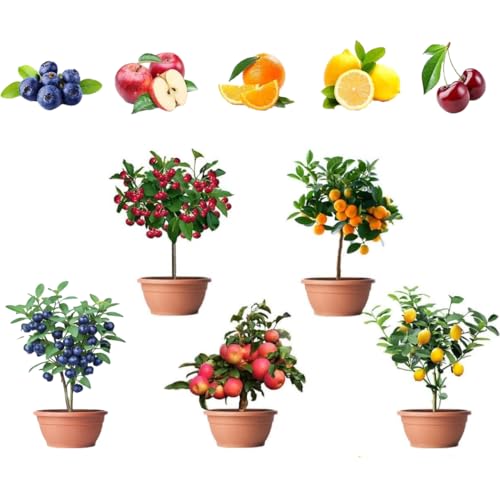
Variety Pack of 5 Fruits: Includes 40 Lemon seeds, 40 Orange seeds, 40 Apple seeds, 20 Cherry seeds, and 20 Blueberry seeds for a colorful and diverse home garden

Grafted Mango Tree: Includes 1 live mango tree, grafted and fully rooted in a 3-gallon nursery pot

Due to agricultural laws, we cannot ship to CA, AZ, AK, or HI - orders will be refunded if you ship to one of these states
Advantages of Dwarf Trees
Dwarf trees provide several benefits ideal for small spaces and beginner gardeners:
- Space Efficiency: Dwarf trees, growing between 3 to 6 feet, fit nicely in limited areas. If you have a compact backyard or patio, these trees won’t overwhelm your space.
- Early Harvest: Dwarf varieties typically bear fruit within 2 to 3 years. You’ll enjoy garden-fresh fruits much sooner compared to larger tree types.
- Low Maintenance: Minimal pruning is needed for dwarf trees. Their smaller size makes it easier to care for them, perfect for gardeners seeking a low-effort option.
- Adaptability: Dwarf trees thrive in various climates and can adjust to different soil types. If you’re in a region with unpredictable weather, these trees offer flexibility.
Advantages of Standard Trees
Standard trees offer their own set of benefits, particularly suited for larger properties:
- Higher Yields: Standard trees can reach heights of 10 to 25 feet, allowing them to produce more fruit per tree. This is ideal for those wanting to maximize their harvest.
- Longevity: These trees typically live longer than dwarf varieties, providing years of productivity. Investing in a standard tree can ensure ongoing fruit production for decades.
- Shade and Aesthetics: Standard trees provide ample shade and enhance the beauty of your landscape. If you desire a focal point in your garden, their stature adds visual appeal.
- Variety of Fruits: Standard trees often support a broader selection of fruit types. You can explore options like apples, pears, and cherries, enriching your garden’s diversity.
Choosing between dwarf and standard trees depends on your specific gardening goals, available space, and desired maintenance level.
Common Mistakes to Avoid
When choosing the right size fruit tree, avoiding common mistakes ensures healthier trees and better yields.
Misjudging Space Requirements
Don’t underestimate the space your fruit tree will need. Measure your planting area accurately. Consider both the height and width of the mature tree. Dwarf varieties fit snugly into small gardens, while semi-dwarf and standard trees demand more room. For example, a standard apple tree can reach up to 25 feet. If your yard only accommodates 10 feet, you may face overcrowding issues. Ensure you factor in the tree’s spread, especially if planting multiple trees. Allow sufficient distance between them to promote air circulation and light exposure.
Ignoring Growth Patterns
Understanding growth patterns is essential. Each tree type has its unique growth habit that affects its overall development. Dwarf trees grow low and round, staying compact. Semi-dwarf trees spread wider and taller compared to dwarfs, but they remain manageable in medium spaces. Standard trees grow upright and can develop extensive root systems. Recognizing these patterns allows you to anticipate how they’ll fit into your landscape over time. Picture a standard pear tree potentially overshadowing smaller plants nearby after several years of growth. Consider these aspects to avoid future landscaping problems.
Conclusion
Choosing the right size fruit tree can make all the difference in your gardening journey. Whether you’ve got a cozy backyard or ample space to spare it’s essential to select a tree that fits your environment and lifestyle.
Think about how much care you’re willing to commit to and the kind of fruit you want to enjoy. By aligning your choice with your space and maintenance preferences you’ll set yourself up for a fruitful experience.
So take your time measure your area and consider your goals. With the right tree in place you’ll be well on your way to enjoying delicious homegrown fruits for years to come. Happy gardening!
Frequently Asked Questions
What sizes of fruit trees are available?
Fruit trees come in three sizes: dwarf, semi-dwarf, and standard. Dwarf trees grow 3 to 6 feet tall, semi-dwarfs reach 6 to 10 feet, and standard trees can grow from 10 to 25 feet. Each size has its advantages depending on your available space and gardening goals.
How do I choose the right size fruit tree for my space?
To choose the right size fruit tree, measure your planting area and consider the tree’s future height and width. Dwarf trees are ideal for small spaces, while semi-dwarf and standard trees are better suited for larger areas.
What are the advantages of dwarf fruit trees?
Dwarf fruit trees are space-efficient, produce full-sized fruit quickly (within 2 to 3 years), and require minimal maintenance. They adapt well to various climates, making them perfect for small gardens or beginner gardeners.
How long does it take for fruit trees to produce fruit?
Dwarf fruit trees typically bear fruit within 2 to 3 years, semi-dwarf trees take about 3 to 4 years, and standard trees usually start fruiting in 5 to 7 years. The timeframe varies by species and care.
What factors should I consider when selecting a fruit tree?
Consider space availability, climate conditions, and maintenance requirements. Measure your planting area, choose a tree type that fits your environment, and understand each tree’s unique care needs to ensure the best results.
What maintenance is required for different fruit tree sizes?
Dwarf trees require low maintenance, semi-dwarf trees need moderate care, and standard trees demand significant attention. Assess your commitment to maintenance before selecting a tree size, as this can impact tree health and productivity.
What mistakes should I avoid when selecting a fruit tree?
Avoid misjudging space requirements; accurately measure your planting area to ensure the tree fits. Understanding growth patterns is also crucial. Each tree type has unique habits that affect development and landscape fit over time.
