

Are you dreaming of a backyard filled with fresh fruit? Living in Phoenix offers unique opportunities for growing delicious fruit trees, but not every type will thrive in the desert climate. With scorching summers and mild winters, it’s essential to choose the right varieties that can withstand the heat and still produce bountiful harvests.
In this article, you’ll discover which fruit trees flourish in Phoenix’s warm environment. You’ll learn about their growing requirements and how to care for them, so you can enjoy sweet, homegrown fruits right from your own yard. Whether you’re a seasoned gardener or just starting out, this guide will help you make the best choices for your garden.
Key Takeaways
- Choose Heat-Tolerant Varieties: Focus on fruit trees like citrus, figs, peaches, and pomegranates that thrive in Phoenix’s high temperatures and full sun.
- Optimal Planting Times: The best time to plant fruit trees in Phoenix is during fall and early spring, allowing roots to establish before summer heat.
- Soil and Watering Needs: Use sandy, well-draining soil and water deeply but infrequently to promote deep root growth, crucial for desert gardening.
- Mulching and Pruning: Apply a 3-4 inch layer of mulch to conserve moisture and prune in late winter or early spring for improved air circulation and fruit production.
- Climate Awareness: Understand the local climate, including minimal rainfall and temperature fluctuations, to ensure successful growth and maintenance of your fruit trees.
Overview Of Fruit Trees In Phoenix
Growing fruit trees in Phoenix can be rewarding when you choose varieties that thrive in the desert climate. The heat is intense, so you should focus on trees that tolerate high temperatures and low humidity.
Varieties to Consider
- Citrus Trees: Lemon, orange, and grapefruit trees easily flourish due to their heat tolerance. These citrus trees thrive in well-draining soil and require full sun.
- Peach Trees: Varieties like ‘Desert Gold’ or ‘Tropical Beauty’ perform well in Phoenix. Plant them in late winter or early spring for best results. These trees require at least 6-8 hours of sunlight daily.
- Fig Trees: Figs like ‘Brown Turkey’ and ‘Kadota’ grow well in the hot, dry climate. They require minimal water once established, making them ideal for desert gardening.
- Pomegranate Trees: ‘Wonderful’ pomegranates do well in Phoenix. They prefer full sun and exhibit drought resistance once established.
Planting and Care Tips
- Soil Preparation: Use sandy, loamy soil that drains well. Consider adding organic compost to improve fertility and moisture retention.
- Watering: Water deeply but infrequently. This encourages deep root growth, which is crucial in hot climates.
- Mulching: Apply a 3-4 inch layer of mulch around the base of your trees to conserve moisture and regulate soil temperature.
- Pruning: Prune your trees in late winter or early spring to promote better air circulation and fruit production.
- When is the best time to plant fruit trees? Fall and early spring provide optimal conditions for planting, allowing trees to establish roots before the heat of summer sets in.
- How much sun do fruit trees need? Most fruit trees require at least 6-8 hours of full sunlight each day for healthy growth and fruit production.
- How long before fruit trees produce fruit? Depending on the variety, expect fruit production within 1-4 years after planting.
Growing fruit trees in Phoenix encourages sustainable gardening while enjoying delicious homegrown fruits. Select the right varieties, and with proper care, you can cultivate a fruitful landscape in your backyard.
Climate Considerations
Understanding the climate in Phoenix is crucial for successfully growing fruit trees. You’ll find that the desert conditions demand careful selection of tree varieties and mindful gardening practices.
Recommended Products

Product Quantity: 180+ premium bonsai fruit seeds across 5 varieties; Individual packs contain 40+ apple, 40+ lemon, 40+ orange, 20+ blueberry, and 40+ cherry seeds; Perfect for starting a diverse miniature orchard

4 kinds of the most popular fruits, individually packaged, 50pcs Lemon seeds 50pcs Cherry seeds 50pcs Orange seeds 50pcs Apple seeds Fresh seeds, all fruit seeds are packed in tear and moisture resistant zipper sealed bags for your long term storage.
Temperature Variations
Temperatures in Phoenix can soar above 100°F during summer. Ensure you select heat-tolerant fruit trees like citrus, pomegranates, and figs. These varieties thrive in high temperatures. During winter, temperatures can drop to around 40°F, which is often fine for most fruit trees. However, keep an eye on sudden temperature fluctuations that may impact new growth.
Rainfall Patterns
Phoenix experiences minimal rainfall, averaging just 8 inches annually. Consider this when planning your watering schedule for fruit trees. Supplement natural rainfall with deep, infrequent watering to promote strong root systems. Utilize mulch around the base of trees to retain soil moisture and regulate soil temperature. Look for early spring or late fall planting to align with the seasonal rainfall patterns, enhancing tree establishment.
Popular Fruit Trees
Phoenix offers a variety of fruit trees that thrive in its warm climate. Here are some popular options you can grow in your garden.
Recommended Products

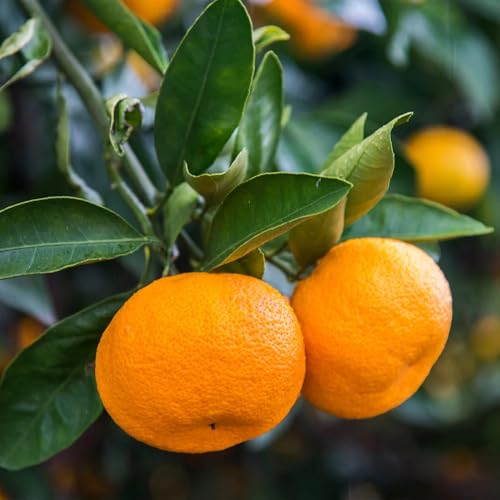
Welcome the vibrant allure of the Calamondin Orange Tree, a delightful addition to any landscape with its lush greenery and plentiful fruit. This tree brings the charm of tangerine-sized oranges that add a burst of tangy flavor to your culinary endeavors. The Calamondin Orange Tree, often called a Tangerine Tree, thrives both indoors and outdoors, making it a versatile choice for any gardener.

🍑 Delicious Homegrown Fruit: Produces sweet, juicy apricots perfect for fresh eating, baking, and preserves
Citrus Trees
Citrus trees perform exceptionally well in Phoenix. Varieties like oranges, lemons, and grapefruits tolerate heat and enjoy the full sun.
- Planting: Choose a spot with well-drained soil and plenty of sunlight.
- Watering: Deeply water citrus trees once a week in the summer.
- Pruning: Prune in late winter to shape the tree and promote airflow.
Stone Fruit Trees
Stone fruit trees, such as peaches and plums, adapt well to the desert environment. Their vibrant blossoms are a bonus in spring.
- Varieties: Look for low-chill varieties like ‘Desert Gold’ peaches and ‘Santa Rosa’ plums.
- Watering: Water young trees every 5-7 days but reduce frequency for established trees.
- Pruning: Prune in winter to remove dead or crossing branches and encourage growth.
Tropical Fruit Trees
Some tropical fruit trees, such as figs and pomegranates, also do well in Phoenix’s climate. They’re less common but yield delicious fruits.
- Figs: Varieties like ‘Brown Turkey’ thrive with little maintenance.
- Pomegranates: Known for their drought tolerance, they grow well in poor soils.
- Watering: Water these trees every 10-14 days, adjusting based on rainfall.
Selecting the right fruit trees for your garden in Phoenix ensures a fruitful harvest. Pay attention to the specific needs of each variety for the best results.
Choosing The Right Fruit Tree
Selecting the right fruit tree enhances your gardening success in Phoenix. Consider both space and maintenance needs for optimal growth.
Recommended Products

FLAVORFUL LEMONS FOR YOUR KITCHEN: Enjoy fresh, juicy lemons from your own Meyer lemon tree, producing fragrant blooms & citrus fruit that enhance indoor or outdoor spaces. Due to USDA regulations, we do not ship to freight forwarding locations, hotels, PO Boxes, Military (AFO/FPO), AZ, AL, CA, LA, HI, TX, Puerto Rico, Guam, U.S. Virgin Islands, American Samoa, and Northern Mariana Islands. Suited for mother's day gifts, plant gifts for women, and plant gifts for mom for growing citrus at home.

🌱 4 Unique Fruit Bonsai Varieties: Includes 40 total seeds: 10 Papaya, 10 Peach, 10 Cherry, and 10 Banana seeds. A fun and unique collection for growing miniature fruit trees and experimenting with bonsai growing techniques.

Space Requirements
When choosing a fruit tree, evaluate the available space in your yard. Most trees, like citrus and peach, need 10 to 15 feet of space to thrive. Those with denser canopies, such as fig trees, may require even more. Measure your planting area carefully. Keep in mind the tree’s mature height and spread. For example, pomegranates can reach 6 to 10 feet tall and wide. Make sure you account for this growth to ensure proper air circulation and sunlight access.
Maintenance Needs
Understanding maintenance needs is crucial for successful fruit tree growth. Heat-tolerant varieties, such as citrus and figs, require specific watering schedules. Deep, infrequent watering promotes healthy roots. You might face a weekly watering routine during Phoenix’s scorching summers. Additionally, regular pruning helps control the tree’s shape and encourages robust fruit production. Citrus trees benefit from winter pruning, while stone fruits need summer pruning to enhance airflow. Use organic mulch around the base to retain soil moisture and suppress weeds, ensuring your tree receives the care it needs.
Conclusion
Growing fruit trees in Phoenix can be a rewarding experience that adds beauty and delicious produce to your home. By choosing the right varieties and understanding their specific needs you can enjoy a thriving garden even in the desert climate.
Remember to consider factors like space and maintenance when selecting your trees. With a little care and attention to watering and pruning you’ll be well on your way to harvesting your own fresh fruits.
So grab your gardening tools and get started on your journey to a fruitful oasis in your backyard!
Frequently Asked Questions
What fruit trees can I grow in Phoenix’s climate?
You can grow several heat-tolerant fruit trees in Phoenix, including citrus (such as oranges and lemons), stone fruits (like peaches and plums), figs, and pomegranates. These varieties are well-suited for the region’s hot summers and mild winters.
When is the best time to plant fruit trees in Phoenix?
The ideal times to plant fruit trees in Phoenix are early spring or late fall. These seasons align with the region’s rainfall patterns, helping young trees establish roots before the heat of summer.
How often should I water my fruit trees?
Water your fruit trees deeply and infrequently, especially during the hot summer months. Generally, citrus trees benefit from weekly watering, while other varieties may need less frequent irrigation depending on their specific needs and soil moisture levels.
Do fruit trees need full sun?
Yes, most fruit trees, especially citrus and stone fruit varieties, thrive in full sun. Aim for at least 6 to 8 hours of direct sunlight per day to encourage healthy growth and fruit production.
How can I improve soil quality for fruit trees?
To improve soil quality, prepare the soil with organic matter such as compost. This enhances drainage, provides nutrients, and supports healthy root development. Regular mulching is also recommended to retain moisture and suppress weeds.
What maintenance do fruit trees require?
Fruit trees require regular watering, seasonal pruning, and mulching for healthy growth. Monitor for pests and diseases, and ensure to prune appropriately to encourage air circulation and fruit production.
How long until my fruit trees produce fruit?
Fruit trees typically take 2 to 5 years to start producing fruit, depending on the variety and growing conditions. Patience is key, as proper care will lead to better yields over time.
What are low-chill varieties of stone fruits?
Low-chill varieties are types of stone fruits that require fewer chill hours (cold temperatures) to set fruit, making them ideal for warmer climates like Phoenix. Examples include certain peach and plum cultivars that thrive in milder winters.
