

Have you ever wondered which fruit trees thrive in the warm, sunny climate of Lancaster, CA? Whether you’re dreaming of fresh peaches or juicy oranges, knowing what to plant can make all the difference in your garden’s success.
Key Takeaways
- Ideal Fruit Varieties: Lancaster, CA is suitable for growing a range of fruit trees, including peaches, oranges, figs, and heat-tolerant apples like ‘Anna’ and ‘Dorsett Golden.’
- Soil Requirements: Choosing well-drained, nutrient-rich soil is crucial for the successful growth of fruit trees. Amend soil with organic matter for optimal health.
- Watering Practices: Implement deep watering techniques and use a drip irrigation system to ensure moisture reaches the roots while conserving water.
- Regular Pruning and Fertilization: Prune trees in late winter or early spring and apply balanced fertilizers annually to promote healthy growth and fruit production.
- Climate Awareness: Understand Lancaster’s Mediterranean climate, including frost risks, to select suitable tree varieties and plan planting times effectively.
- Pest Management: Stay vigilant about common pests and utilize organic methods like neem oil for maintaining tree health and productivity.
Overview of Fruit Trees in Lancaster, CA
Lancaster, CA, offers an ideal climate for growing a variety of fruit trees. With its warm temperatures and ample sunshine, this region supports various species that thrive under such conditions.
Popular Fruit Trees
- Peach Trees: These trees are excellent for your garden, producing sweet fruit during late summer. Varieties like ‘Elberta’ and ‘Florida Prince’ perform well in Lancaster’s climate.
- Orange Trees: Known for their juicy fruit, orange trees flourish in the warm sun. The ‘Navel’ variety is particularly popular for its tasty, seedless oranges.
- Fig Trees: Fig trees grow well in heat and produce delicious fruit. The ‘Black Mission’ and ‘Brown Turkey’ varieties are great options in this area.
- Apple Trees: While some apple varieties require cooler conditions, you can successfully grow heat-tolerant options like ‘Anna’ and ‘Dorsett Golden’ in Lancaster.
Best Practices for Growing Fruit Trees
- Soil Selection: Choose well-drained soil rich in organic matter. Amend your soil with compost to improve its structure.
- Watering: During the hot months, water your trees regularly. Deep watering encourages healthy root development.
- Pruning: Prune your trees in late winter or early spring. This practice promotes airflow and helps shape the tree for better fruit production.
- Fertilization: Apply a balanced fertilizer annually. It’s important to follow the manufacturer’s instructions for the best results.
- Climate Adaptability: Select fruit trees that are well-suited to the local climate. Researching your specific variety ensures a better yield.
- Pest Management: Keep an eye out for common pests like aphids and fruit flies. Use organic methods, such as neem oil, to protect your trees.
- Spacing: Allow adequate space between trees to promote healthy growth. A distance of 10 to 20 feet is ideal, depending on the tree’s mature size.
By selecting the right varieties and following proper care techniques, you can enjoy a fruitful garden in Lancaster, CA.
Popular Fruit Trees
Lancaster, CA offers a variety of fruit trees that thrive in its warm, sunny climate. Below are some popular options to consider for your garden.
Recommended Products
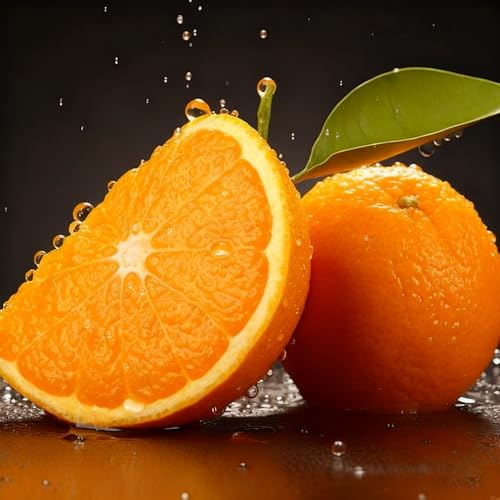
Premium Sweet Orange Tree Seeds for Home Cultivation: Grow your own citrus trees with this packet of 15 high-viability orange seeds. Perfect for gardening enthusiasts looking to cultivate sweet, juicy oranges in pots, greenhouses, or sunny backyard gardens

Product Quantity: 15+ premium navel orange seeds per packet; Carefully selected for high viability and genetic purity; Perfect for starting your own citrus grove at home

Product Quantity: 180+ premium bonsai fruit seeds across 5 varieties; Individual packs contain 40+ apple, 40+ lemon, 40+ orange, 20+ blueberry, and 40+ cherry seeds; Perfect for starting a diverse miniature orchard
Citrus Trees
Citrus trees flourish in Lancaster’s climate, providing delicious fruits. The Navel orange tree stands out, known for its sweet, seedless fruit. Additionally, lemon trees like the Eureka variety bear fruit year-round. Mandarin oranges, such as the Clementine, also grow well, offering smaller, easily peelable fruits. Plant citrus trees in well-drained soil and provide regular watering to ensure robust growth.
Stone Fruits
Stone fruits, characterized by their large pits, thrive in Lancaster. The peach tree is a favorite, with varieties like Elberta and Donut peach producing sweet, juicy fruit in late summer. Plum trees also perform well, particularly the Santa Rosa variety, which yields tart yet flavorful plums. When planting stone fruits, ensure adequate sun exposure and prune them regularly for better fruit production.
Pome Fruits
Pome fruits, known for their core encasing seeds, adapt well to the area’s climate. Apple trees such as Anna and Dorsett Golden provide sweet fruits ideal for fresh eating or baking. Pear trees also grow successfully, with varieties like Bartlett offering sweet, juicy pears. For best results, space pome trees adequately to promote air circulation and prevent diseases. Regular watering and fertilization contribute to a bountiful harvest.
Growing Conditions
Growing fruit trees in Lancaster, CA, requires an understanding of the region’s unique climate and soil conditions that ensure healthy development and fruitful yields.
Recommended Products

Let our professionally formulated plant food help your fruit tree grow healthy, strong AND abundantly producing
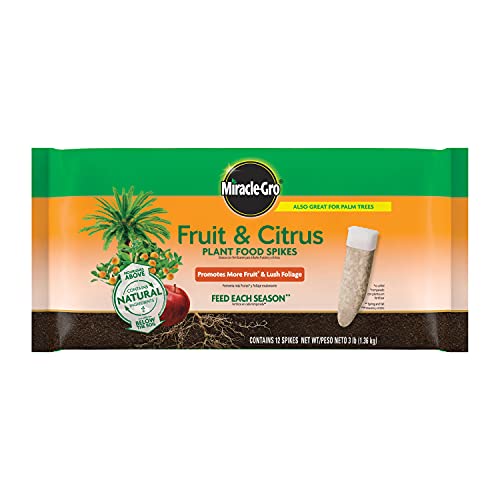
FORMULATED FOR CITRUS AND FRUIT TREES: Use these citrus fertilizer spikes on apple, orange, lemon, lime, and avocado trees; this formula is also great for feeding palm trees

BEGINNER-FRIENDLY & EASY TO GROW – Perfect for first-time bonsai growers, simple planting and care instructions
Climate Considerations
Lancaster enjoys a Mediterranean climate with hot, dry summers and mild, wet winters. This weather suits many fruit trees, particularly those that thrive in warm environments. Aim for varieties that resist heat stress like peaches and citrus. Frost can occur in early spring, which can damage blossoms, so consider planting trees with a later bloom time. Monitoring local frost dates helps protect your young trees during cold snaps.
Soil Requirements
Fruit trees prefer well-drained soil to prevent root rot. Sandy loam or loamy soil works best for healthy roots. Conduct a soil test to check pH levels; most fruit trees thrive in slightly acidic to neutral soil with a pH of 6.0 to 7.0. If the pH is too high or too low, amending the soil with sulfur or lime adjusts these levels. Incorporate organic matter like compost to improve nutrient content and soil structure. Proper drainage enhances growth, so consider planting trees on gentle slopes if your soil retains water.
Best Practices for Care
Caring for fruit trees in Lancaster, CA, involves several important practices to ensure healthy growth and bountiful harvests. Following specific techniques for watering and fertilization enhances fruit tree health.
Watering Techniques
Water fruit trees deeply but infrequently. Aim for 1 to 2 inches of water each week, focusing on the root zone. Adjust the frequency based on rainfall, and increase watering during hot spells.
Use a drip irrigation system to efficiently deliver water directly to the roots. This method conserves moisture and reduces fungal diseases. For young trees, apply 2 to 3 gallons of water per week until they establish.
Always check soil moisture using a soil probe or by digging down a few inches. If the soil feels dry, it’s time to water. Mulching around the base of trees retains soil moisture and keeps roots cool. Spread a layer of organic mulch, like wood chips, two to four inches deep.
Fertilization Tips
Fertilize fruit trees in early spring when buds begin to swell. Use a balanced fertilizer, such as 10-10-10 or a slow-release organic option. Apply about 1 pound per inch of trunk diameter, distribute it evenly around the drip line.
Consider a soil test every few years to determine nutrient levels and pH. This helps tailor your fertilization approach. For nitrogen, look for options like blood meal or fish emulsion. For phosphorus and potassium, compost and bone meal work well.
Avoid over-fertilizing. It can lead to excessive leaf growth at the cost of fruit development. Monitor tree growth and adjust your fertilization routine as needed for optimal results.
By implementing effective watering and fertilization techniques, you’ll foster a thriving fruit tree garden in Lancaster, CA.
Conclusion
Growing fruit trees in Lancaster can be a rewarding experience. With the right varieties and care techniques you can enjoy a bountiful harvest throughout the year. Remember to consider your garden’s unique conditions and choose heat-resistant options that thrive in the warm climate.
By following best practices for watering and fertilization you’ll set your trees up for success. Whether you’re savoring sweet peaches or juicy oranges you’ll find that tending to your fruit trees brings joy and satisfaction. So get started on your gardening journey and create your very own fruit-filled paradise!
Frequently Asked Questions
What are the best fruit trees for Lancaster, CA?
Lancaster, CA, is ideal for fruit trees such as peach, orange, fig, and heat-tolerant apple varieties. Notable choices include ‘Navel’ oranges, ‘Black Mission’ figs, and ‘Anna’ apples. These selections thrive in the region’s warm, sunny climate.
How do I care for fruit trees in Lancaster’s climate?
To care for fruit trees in Lancaster, ensure well-drained sandy loam soil, provide deep but infrequent watering, and apply mulch to retain moisture. Fertilize with a balanced fertilizer in early spring, and conduct soil tests to customize nutrient needs.
What is the ideal soil type for growing fruit trees in Lancaster?
The ideal soil for growing fruit trees in Lancaster is well-drained sandy loam or loamy soil with a pH of 6.0 to 7.0. Incorporating organic matter can improve soil quality, benefiting tree health and fruit production.
How often should I water fruit trees in Lancaster?
It’s best to water fruit trees deeply but infrequently, allowing the soil to dry out between watering sessions. Using a drip irrigation system can help conserve moisture while ensuring your trees receive adequate hydration.
When should I fertilize my fruit trees?
Fertilize your fruit trees in early spring with a balanced fertilizer to promote healthy growth. Avoid over-fertilizing, as it can hinder fruit development. Soil tests can help determine specific nutrient needs for your trees.
