

Have you ever thought about growing your own fruit trees in Colorado? With its unique climate and varying elevations, choosing the right trees can feel a bit tricky. You might be wondering which varieties will thrive and produce delicious fruit for your family to enjoy.
Key Takeaways
- Cold-Hardy Varieties: Apple trees (e.g., Honeycrisp) and tart cherry trees (e.g., Montmorency) are ideal for Colorado’s cold winters and will yield abundant fruit.
- Dwarf Tree Options: Dwarf trees, such as Plus apple and Bonanza peach, are well-suited for small spaces while providing delicious fruit.
- Adapted Pear Trees: Bartlett and Kieffer pear trees thrive in various Colorado conditions, offering sweet fruits that cater to different hardiness zones.
- Climate Challenges: Consider Colorado’s temperature fluctuations, strong winds, and low precipitation when selecting and caring for fruit trees.
- Soil Preparation: Ensure well-drained, loamy soil rich in organic matter for optimal fruit tree growth, and conduct soil tests to determine the right amendments.
- Watering & Fertilizing: Maintain a consistent deep watering schedule and apply a balanced fertilizer in early spring to promote healthy growth and fruitful harvests.
Overview of Fruit Trees in Colorado
Colorado’s unique climate and varying elevations influence the types of fruit trees that thrive in the state. You can expect cold winters, hot summers, and occasional drought, which all affect fruit tree survival. Here’s a breakdown of the best options for your region.
Cold-Hardy Varieties
Cold-hardy fruit trees withstand harsh winters. Some of the best varieties include:
- Apple Trees: Varieties like Honeycrisp or Haralred perform well in Colorado. They tolerate frost and offer plentiful harvests.
- Cherry Trees: Tart cherries, such as Montmorency, adapt well to Colorado’s climate and are more resistant to disease.
Dwarf Fruit Trees
Dwarf trees are perfect for small spaces and still yield fruit. Consider these options:
- Dwarf Apple Trees: Varieties like Plus or Gala grow well in limited areas. You’ll enjoy fresh apples without needing much space.
- Dwarf Peach Trees: Varieties such as Bonanza or El Dorado produce peaches in smaller backyards. They benefit from good sun exposure and well-drained soil.
Apricot Trees
Apricot trees thrive in lower elevations and can produce fruit within a few years. Look for:
- Tilton Apricot: This variety offers consistent fruiting, but be mindful of late frosts.
- Blenheim Apricot: Known for its flavorful fruit, it requires a bit more care to ensure a successful crop.
Pear Trees
Pear trees adapt well to Colorado’s conditions and require chill hours to bloom. Suitable choices include:
- Bartlett Pear: This classic variety thrives in most Colorado zones and provides sweet, juicy pears.
- Kieffer Pear: Kieffer is disease-resistant and tolerates moisture fluctuations, making it a reliable option.
- Choose the Right Location: Place your tree in a spot with full sun for at least six hours a day. Good drainage is crucial.
- Mulch and Water: Apply mulch to retain moisture and regulate soil temperature. Water deeply but infrequently to promote strong root growth.
- Monitor for Pests: Keep an eye out for common pests like aphids or spider mites. Early detection ensures effective control.
By selecting the right fruit trees and following these tips, you can enjoy a fruitful garden in Colorado. Embrace the challenges of your locale, and you’ll reap the rewards.
Climate Considerations for Fruit Trees
Colorado’s climate poses significant challenges for fruit tree growth, but with the right choices, you can cultivate a thriving garden. Understanding hardiness zones and weather challenges is crucial in selecting suitable fruit trees.
Recommended Products

Each offer includes one plant grown in a 4 inch pot
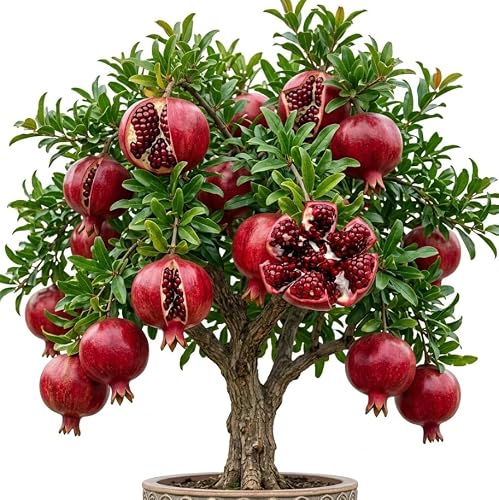
Each order includes a live red pomegranate plant, carefully grown and ready to thrive in your garden or home.

Persimmon tree adds edible fruit, seasonal foliage, and natural beauty to home gardens and outdoor landscapes
Hardiness Zones
Colorado features various hardiness zones ranging from 3a to 7b, impacting the types of fruit trees that flourish.
- Zone 3: Suitable for extremely cold-hardy trees, such as the Honeycrisp apple or Montmorency cherry.
- Zone 4: Allowing for slightly less hardy varieties, you can grow peaches like the Bonanza and apricots like Tilton.
- Zone 5-7: Dwarf tree options, including Bartlett and Kieffer pears, thrive well, offering flexibility for limited space.
Use a hardiness zone map to determine your specific location’s zone before planting.
Weather Challenges
Weather in Colorado can be unpredictable, presenting unique challenges for fruit trees.
- Temperature Fluctuations: Rapid temperature changes can impact blooming times and fruit set. Protect trees during late frosts with fabric covers or mulch.
- Strong Winds: High winds can damage delicate blossoms and young trees. Consider windbreaks or plant sheltering shrubs nearby.
- Low Precipitation: Limited rainfall requires diligent watering practices. Implement deep watering techniques for tree roots and consider adding mulch to retain moisture.
By preparing for these weather challenges, you’ll improve the resilience of your fruit trees and enhance their productivity.
Best Fruit Trees for Colorado
Choosing the right fruit trees for Colorado’s unique climate can greatly affect your gardening success. Here’s a look at some of the best options for various fruit types.
Recommended Products

Product Quantity: 180+ premium bonsai fruit seeds across 5 varieties; Individual packs contain 40+ apple, 40+ lemon, 40+ orange, 20+ blueberry, and 40+ cherry seeds; Perfect for starting a diverse miniature orchard

🌳 3-Pack Fruit Tree Bundle Includes live apple, blueberry, blackberry trees—perfectly paired for a diverse and productive backyard orchard.

4 FRUIT VARIETIES – 100 SEEDS TOTAL: Includes 30 Apple Seeds, 30 Lemon Seeds, 30 Cherry Seeds, and 10 Banana Seeds, individually separated by variety for an exciting fruit-growing collection.
Apples
Apples thrive in Colorado’s climate, with many varieties suitable for colder zones. Honeycrisp, Fuji, and Gala are excellent choices, known for their crisp texture and flavor. For smaller spaces, consider Plus apple, a dwarf variety that produces sweet fruit without taking up much room. Plant apple trees in well-drained soil, and ensure they get full sunlight for optimal growth.
Pears
Pears adapt well to Colorado’s conditions. Bartlett and Kieffer pear trees excel in various hardiness zones, offering juicy, sweet fruit. These trees do well in fertile, well-draining soil and require regular watering, especially during dry spells. If you’re limited on space, the Harcourt pear provides a compact option while still yielding delicious pears.
Plums
Plums flourish in Colorado and can handle the state’s temperature fluctuations. Stanley and Methley are popular choices that produce sweet, flavorful fruit. For best results, choose a sunny spot and ensure regular watering, particularly during dry summer months. Plums also require good air circulation, so space them appropriately to promote healthy growth.
Cherries
Cherries perform well in Colorado, especially varieties like Montmorency and Bing. Montmorency, a tart cherry, is ideal for pies and preserves, while Bing cherries are sweet and perfect for fresh eating. Plant cherry trees in well-drained soil with full sun exposure to maximize fruit production. Protect young trees from late frosts using fabric covers to ensure a successful harvest.
Planting and Care Tips
Proper care for fruit trees in Colorado ensures healthy growth and abundant harvests. Focus on soil preparation and efficient watering and fertilizing strategies to achieve the best results.
Soil Preparation
Preparing the soil lays the foundation for your fruit trees. Aim for well-drained, loamy soil rich in organic matter. Follow these steps for optimal soil preparation:
- Test Your Soil: Use a soil testing kit to check pH levels and nutrient content. Ideal pH ranges from 6.0 to 7.0.
- Amend the Soil: Add compost or aged manure to improve soil structure and fertility. Incorporate this into the top 12 inches of soil.
- Improve Drainage: If your soil retains too much water, create raised beds or amend with sand to enhance drainage.
- Clear Debris: Remove rocks, weeds, and old plant material to prevent disease and pests.
Watering and Fertilizing
Consistent watering and appropriate fertilization support tree health and fruit development. Here’s how to effectively manage these aspects:
- Watering Schedule: Water deeply once a week, adjusting frequency during dry spells. Aim for about 1-2 inches of water per week, including rainfall.
- Apply Mulch: Use a 2-4 inch layer of organic mulch around the base of trees to retain moisture and regulate soil temperature.
- Fertilize Seasonally: Apply a balanced fertilizer in early spring as buds swell. Follow the product’s instructions for application rates.
- Monitor Tree Health: Look for signs of nutrient deficiencies, such as yellowing leaves. Adjust fertilization practices as needed based on observed symptoms.
By following these planting and care tips, your fruit trees in Colorado will thrive and produce a fruitful harvest.
Conclusion
Growing fruit trees in Colorado can be a rewarding experience when you choose the right varieties. By selecting cold-hardy options and understanding your local climate, you can enjoy delicious homegrown fruit. Remember to pay attention to your specific hardiness zone and adapt your planting techniques accordingly.
With a little care and the right conditions, your fruit trees can flourish despite the challenges Colorado presents. So go ahead and start planning your fruit tree garden. You’ll be delighted when you see those branches heavy with fruit, ready for you to enjoy. Happy gardening!
Frequently Asked Questions
What fruit trees grow best in Colorado?
Many fruit trees thrive in Colorado’s climate. Cold-hardy varieties like Honeycrisp apple and Montmorency cherry are excellent choices. Dwarf options, such as Plus apple and Bonanza peach, are suitable for smaller spaces. Apricot trees like Tilton and Blenheim, along with pear types like Bartlett and Kieffer, also adapt well.
How do hardiness zones affect fruit tree selection?
Hardiness zones determine which trees can survive in your area. Colorado’s zones range from 3a to 7b. Choose extremely cold-hardy varieties for Zone 3 and select dwarf trees for Zones 5-7. Always consider your local zone to ensure tree survival and fruit production.
What are the main challenges for growing fruit trees in Colorado?
Colorado’s unique climate poses challenges like temperature fluctuations, strong winds, and low precipitation. These factors can affect tree growth and fruit production. Understanding climate conditions and selecting the right tree varieties can help mitigate these issues and promote healthy growth.
How should I prepare soil for fruit trees in Colorado?
Prepare soil by ensuring it is loamy, well-drained, and rich in organic matter. Test the soil pH and amend with compost as needed. Improving drainage and removing debris will create a conducive environment for healthy tree growth.
What watering practices should I follow for my fruit trees?
Implement a deep watering schedule, providing water once a week. Applying mulch helps retain soil moisture, and adding organic fertilizer in early spring supports tree health. Consistent watering is essential, especially during dry spells to promote robust growth.
When is the best time to plant fruit trees in Colorado?
The ideal time to plant fruit trees in Colorado is during early spring, after the last frost. This timing allows trees to establish roots before the growing season. Ensure proper conditions by planting in well-drained soil and providing adequate sunlight.
