

Are you dreaming of picking fresh fruit right from your backyard? Growing fruit trees in New Jersey is a rewarding way to enjoy delicious produce while adding beauty to your landscape. With the right knowledge, you can turn that dream into reality.
Key Takeaways
- Climate Awareness: New Jersey’s climate affects fruit tree selection, with USDA hardiness zones 6a to 7b allowing various fruit trees to thrive.
- Fruit Tree Options: Ideal fruit trees for New Jersey include apples, pears, cherries, and peaches, each requiring specific conditions for optimal growth, such as well-drained soil and full sun.
- Planting Considerations: Proper spacing (15-25 feet apart) and soil type are essential for tree health and fruit production. Most fruit trees prefer loamy, well-drained soil with a pH of 6.0 to 7.0.
- Maintenance Practices: Regular watering, mulching, and pruning are crucial for maintaining healthy fruit trees and maximizing yields. Deep watering once a week and seasonal pruning improve growth and air circulation.
- Environmental and Economic Benefits: Growing fruit trees enhances local biodiversity, improves air quality, and can lead to significant savings on groceries by providing fresh produce year-round.
Understanding NJ’s Climate
New Jersey’s climate plays a crucial role in determining which fruit trees thrive. You’ll find a mix of coastal and inland weather patterns, which influences growth and productivity.
Recommended Products

You are buying 50 Blueberry Tree Seeds New Jersey Southern Highbush Cold Hardy Garden Fruit Plant

🍇 Sweet, Medium-Sized Figs – Rich flavor with glossy dark purple skin and vibrant interior.

🌳 3-Pack Fruit Tree Bundle Includes live apple, blueberry, blackberry trees—perfectly paired for a diverse and productive backyard orchard.
Hardiness Zones in New Jersey
New Jersey falls within USDA hardiness zones 6a to 7b. Zone 6a experiences average annual minimum temperatures of -10°F to -5°F, while zone 7b ranges from 5°F to 10°F. The state’s diverse zones allow you to choose various fruit trees that can withstand local conditions.
| Hardiness Zone | Average Minimum Temperature (°F) |
|---|---|
| 6a | -10 to -5 |
| 6b | -5 to 0 |
| 7a | 0 to 5 |
| 7b | 5 to 10 |
Ideal Conditions for Fruit Trees
Fruit trees require specific conditions to flourish. Key factors include:
- Sunlight: Most fruit trees need at least 6-8 hours of direct sunlight daily. Look for a sunny spot in your yard.
- Soil Type: Well-drained soil benefits fruit trees, preventing root rot. Amend heavy clay soils with organic matter to improve drainage.
- Watering: Regular watering is essential, especially during dry spells. Deep watering encourages strong root development.
- Temperature: Many fruit trees require a chilling period during winter. Adequate cold exposure helps ensure proper blooms in spring.
Understanding these climate characteristics and conditions helps you select the best fruit trees for your garden in New Jersey.
Popular Fruit Trees for NJ
New Jersey’s climate is ideal for various fruit trees. Here’s a look at some popular options that thrive in the state.
Recommended Products

4 FRUIT VARIETIES – 100 SEEDS TOTAL: Includes 30 Apple Seeds, 30 Lemon Seeds, 30 Cherry Seeds, and 10 Banana Seeds, individually separated by variety for an exciting fruit-growing collection.

4 kinds of the most popular fruits, individually packaged, 50pcs Lemon seeds 50pcs Cherry seeds 50pcs Orange seeds 50pcs Apple seeds Fresh seeds, all fruit seeds are packed in tear and moisture resistant zipper sealed bags for your long term storage.
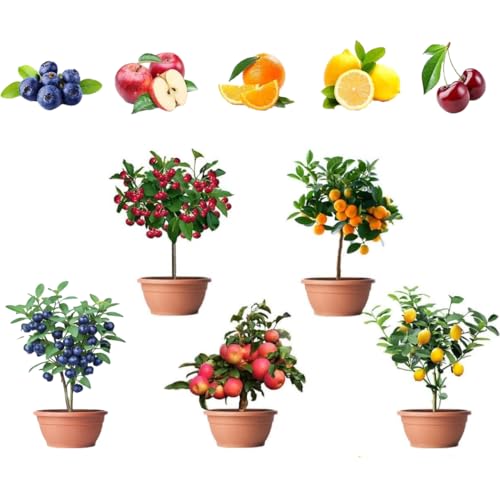
Variety Pack of 5 Fruits: Includes 40 Lemon seeds, 40 Orange seeds, 40 Apple seeds, 20 Cherry seeds, and 20 Blueberry seeds for a colorful and diverse home garden
Apple Trees
Apple trees adapt well to New Jersey’s conditions. Varieties such as ‘Honeycrisp’, ‘Gala’, and ‘Granny Smith’ produce sweet and crisp fruits. Plant them in full sun for optimal growth, and ensure they have well-drained soil. Regular pruning helps maintain health and productivity. Aim for a spacing of about 15-20 feet between trees to allow proper airflow and sunlight.
Pear Trees
Pear trees, including ‘Bartlett’ and ‘Bosc’, flourish in New Jersey. These trees prefer slightly acidic, well-drained soil. Full sun exposure is essential for healthy development. Plant your pear trees 12-18 feet apart and consider pairing different varieties for cross-pollination, which enhances fruit yield. Watch for pests like pear psylla and treat them promptly.
Cherry Trees
Cherry trees, such as ‘Bing’ and ‘Stella’, thrive in New Jersey’s climate. They require full sun and well-drained soil. Space cherry trees about 20 feet apart to promote air circulation. These trees can produce sweet or tart cherries. If planted for tart cherries, incorporate varieties like ‘Montmorency’ for excellent pies and preserves. Keep an eye out for fungal diseases and ensure adequate watering during dry spells.
Peach Trees
Peach trees, including ‘Elberta’ and ‘Redhaven’, excel in New Jersey. These trees need at least 6-8 hours of sunlight daily and well-drained soil to flourish. Space peach trees 15-20 feet apart for optimal growth. Regular pruning encourages larger fruit and helps prevent disease. Protect the trees from frost in early spring, as peach blossoms are sensitive to cold temperatures.
Considerations for Planting
When planting fruit trees in New Jersey, understanding several key factors ensures successful growth and bountiful harvests.
Recommended Products

Quick, at home results for Soil pH, Nitrogen, Phosphorous and Potash Innovative and inexpensive soil test kit features an easy-to-use capsule system and patented color comparators

ENSURE the most SUCCESSFUL food plot possible

COMPLETE SOIL TEST KIT WITH STORAGE CASE All‑in‑one kit comes with hard plastic storage case, test‑tube rack, sample tubes, comparator tubes, soil sampling scoop, Pasteur pipettes and test‑tube brush. It contains detailed instruction manual plus visual quick‑start guide card for straightforward operation and home soil analysis.
Soil Types
Choosing the right soil type is crucial for healthy fruit trees. Most fruit trees prefer well-drained, loamy soil rich in organic matter. Test your soil pH before planting; it should range from 6.0 to 7.0 for optimal growth. If your soil is heavy clay or sandy, amend it with compost or organic materials to improve drainage and nutrient content. For example, apple trees thrive in loamy soil, while peach trees can tolerate slightly sandy soils.
Spacing and Location
Proper spacing and location play a vital role in tree health and fruit production. Ensure adequate space between trees to avoid overcrowding, promoting air circulation and sunlight access. Typically, allow 15 to 25 feet between mature trees, depending on the variety. Position your trees in a sunny area that receives a minimum of 6 to 8 hours of direct sunlight daily. For instance, cherry trees like ‘Bing’ need plenty of sunshine for optimal development, while apple trees require similar conditions for fruiting.
Watering and Maintenance
Effective watering and regular maintenance are necessary for thriving fruit trees. Deep watering once a week encourages root growth, especially during dry spells. Mulch around the base helps retain moisture and reduce weeds. Regular pruning in late winter or early spring removes dead or crowded branches, improving air circulation and fruit quality. Additionally, monitor for pests and diseases. Early detection and management strategies, such as using organic insecticides or introducing beneficial insects, facilitate healthy growth. For instance, monitoring peach trees for signs of borers ensures they remain free from harm.
Benefits of Growing Fruit Trees
Growing fruit trees brings numerous benefits that enhance your garden and wellbeing. It fosters a connection to nature while providing delicious, fresh produce right in your backyard.
Environmental Impact
Planting fruit trees significantly improves the environment. They absorb carbon dioxide and release oxygen, enhancing air quality. Moreover, fruit trees provide habitat for wildlife, supporting birds and beneficial insects. Their root systems reduce soil erosion, while their canopies help manage rainfall, preventing soil runoff. By planting native fruit trees, you promote local biodiversity.
Economic Advantages
Growing fruit trees can lead to substantial economic advantages. You’ll save money on groceries by producing your own fruit. For example, a mature apple tree can yield 200 to 300 apples per year, translating to significant savings. Additionally, you can create value by selling excess fruit at local farmers’ markets or even starting a small home-based business. Investing in fruit trees can offer a strong return over time.
Health Benefits
Fruit trees provide fresh, organic produce that’s free from harmful pesticides and fertilizers. Eating fruits from your trees can improve your diet, offering essential vitamins and nutrients. Apples, for instance, contain fiber and vitamin C, while berries are rich in antioxidants. Engaging in gardening activities also promotes physical health, lowers stress, and enhances mental wellbeing, making it a rewarding pursuit for both body and mind.
Conclusion
Growing fruit trees in New Jersey is a fantastic way to enjoy fresh produce and beautify your yard. By choosing the right varieties and understanding their care requirements you can create a thriving garden that offers delicious fruits for years to come.
With the right conditions and a bit of patience you’ll not only reap the rewards of your labor but also contribute positively to the environment. So grab your gardening gloves and get started on your fruit tree journey. You’re bound to find joy in nurturing your trees and savoring the fruits of your efforts. Happy gardening!
Frequently Asked Questions
What are the benefits of growing fruit trees in New Jersey?
Growing fruit trees in New Jersey offers numerous benefits, including access to fresh produce, enhanced landscape aesthetics, and environmental advantages like improved air quality and wildlife habitats. Additionally, homegrown fruits can save money on grocery bills and promote better health through organic nutrition.
Which fruit trees thrive in New Jersey’s climate?
Popular fruit trees that thrive in New Jersey include apple trees (like ‘Honeycrisp’ and ‘Gala’), pear trees (such as ‘Bartlett’ and ‘Bosc’), cherry trees (like ‘Bing’ and ‘Stella’), and peach trees (including ‘Elberta’ and ‘Redhaven’). These varieties are suited to the region’s USDA hardiness zones and specific climate conditions.
What growing conditions do fruit trees need?
Fruit trees require well-drained, loamy soil with a pH of 6.0 to 7.0, adequate sunlight (6 to 8 hours daily), and proper spacing (15 to 25 feet apart) for optimal growth. Regular watering practices, including deep watering once a week, and mulching to retain moisture are also essential.
How can I ensure successful fruit tree growth?
To ensure successful growth, choose the right type of fruit tree for your specific area, provide ample sunlight and water, maintain proper spacing, and regularly monitor for pests. Additionally, pruning and replacing any dead branches will help promote healthy growth and better fruit production.
What maintenance do fruit trees require?
Regular maintenance of fruit trees includes watering (deep watering once a week), pruning to manage size and remove dead branches, and monitoring for pests and diseases. Mulching can help retain soil moisture, while fertilization may be required based on soil quality and tree needs.
How do fruit trees impact the environment?
Fruit trees positively impact the environment by improving air quality, providing habitats for wildlife, and reducing soil erosion. They also contribute to biodiversity while creating carbon sinks, which help mitigate climate change and improve local ecosystems.
