

Plum trees thrive in Mississippi’s warm climate, offering a bountiful harvest when properly cared for. Selecting the right varieties and understanding their growth requirements are essential for successful cultivation in the Deep South.
Best Plum Varieties for Mississippi’s Climate
Choosing the right plum tree varieties is crucial for successful growth in Mississippi’s climate. The state is suitable for both European and Japanese plums, but some varieties perform better than others. European plums tend to be less susceptible to disease, while Japanese plums offer a sweeter flavor profile.
Key considerations include:
Chilling hours: Ensure the variety meets the required chilling hours for successful fruiting.
Disease resistance: Select varieties that resist common pests and diseases in the region.
Pollination needs: Some varieties require cross-pollination for optimal fruit set.
| Variety | Type | Chilling Hours | Pollination |
|---|---|---|---|
| Stanley | European | 700-1,000 | Self-pollinating |
| Methley | Japanese | 300-400 | Requires pollinator |
| Santa Rosa | Japanese | 400-500 | Self-pollinating |
| Satsuma | Japanese | 300-400 | Requires pollinator |
Recommended Products


10 Premium Plum Tree Seeds: Grow your own plum trees from our special collection of 10 premium seeds. Experience the rewarding process of cultivating these fruit-bearing trees that will provide delicious, sweet plums for years to come.

No ship to CA, Comes with a live green June plum plant, approximately 2 to 3 feet tall
Soil Preparation for Mississippi Plum Trees
Preparing the soil is crucial for the successful growth of plum trees in Mississippi’s unique climate. The right soil conditions not only enhance root development but also promote healthy fruit production. Understanding the specific requirements for soil preparation can lead to a thriving plum orchard in the Deep South.
Soil preparation is a vital step in establishing healthy plum trees. Mississippi’s soil can vary, so testing is essential to determine pH and nutrient levels.
Follow these steps for optimal soil preparation:
Test soil: Use a home testing kit to check pH and nutrient levels.
Amend soil: Incorporate organic matter to improve drainage and nutrient content.
Tilling: Loosen the soil to a depth of at least 12 inches to promote root growth.
Plum trees prefer slightly acidic to neutral soil (pH 6.0-7.0).
Recommended Products

Accurate Soil pH Testing: Dewildetradingco Soil pH Test Strips offer measurements of soil pH levels (pH 3.5-9). As an essential tool for every gardener and grower, these test strips help determine the optimal pH for various plants, such as outdoor plants, indoor plants, gardens, grass lawns, fruit trees, flowers, vegetables, and forest shrubs.

Kindly NOTE: This soil tester can not be applied to test pH value of any other liquid. If the soil is too dry the indicator will not move, and water it before testing.

KNOW BEFORE YOU GROW | Grow the healthiest, sustainable lawn and garden with the most accurate and easy to use professional soil test kit on the market
Optimal Timing for Plum Tree Planting
Understanding the best timing for planting plum trees in Mississippi is crucial for successful growth and harvest. The region’s unique climate and seasonal variations significantly influence when to plant, ensuring that trees establish well and yield abundant fruit. This section will explore the optimal planting windows to maximize the health and productivity of your plum trees.
Timing and technique are essential when planting plum trees. The best time for planting is in early spring or late fall when the trees are dormant.
Steps for planting include:
Select location: Choose a site with full sun and good air circulation.
Dig a hole: Make a hole twice as wide and as deep as the root ball.
Position tree: Place the tree in the hole, ensuring the graft union is above soil level.
Backfill: Fill the hole with soil, gently tamping down to eliminate air pockets.
Ensure proper watering after planting to establish roots.
Seasonal Care for Mississippi Plum Trees
Caring for plum trees in Mississippi requires a keen understanding of the seasonal changes that affect their growth and fruit production. From spring blooms to fall harvests, each season presents unique challenges and opportunities for nurturing these trees. This section outlines essential care practices tailored to the specific climate and conditions of the Deep South.
Ongoing care is necessary to ensure healthy growth and fruit production in plum trees. This includes regular watering, fertilizing, and pruning.
Key care tasks include:
Watering: Provide 1-2 inches of water weekly, especially during dry spells.
Fertilizing: Use a balanced fertilizer in early spring to promote growth.
Pruning: Thin out crowded branches in late winter to improve air circulation and sunlight penetration.
Avoid over-fertilizing, which can lead to excessive leaf growth at the expense of fruit.
Recommended Products
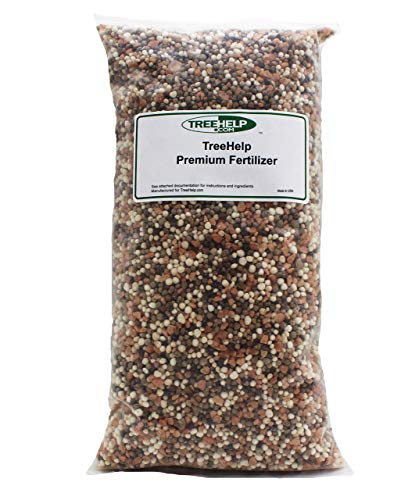
Approximately 3 Pounds


Let our professionally formulated plant food help your fruit tree grow healthy, strong AND abundantly producing
Optimal Plum Harvest Timing and Techniques
Understanding the best timing and techniques for harvesting plums is crucial for maximizing yield and flavor in Mississippi’s unique climate. With the right approach, growers can ensure their plums reach peak ripeness, resulting in a bountiful and high-quality harvest. This section delves into the optimal practices for successfully harvesting plums in the Deep South.
Harvesting plums at the right time is essential for optimal flavor and quality. Plums are typically ready to harvest when they are fully colored and slightly soft to the touch.
Steps for harvesting include:
Check for ripeness: Gently squeeze the fruit; it should yield slightly.
Use pruning shears: Cut the fruit from the branch to avoid damaging the tree.
Store properly: Keep harvested plums in a cool, dry place to extend shelf life.
| Storage Method | Duration | Notes |
|---|---|---|
| Refrigeration | 1-2 weeks | Best for fresh consumption |
| Freezing | 6-12 months | Wash, slice, and freeze for later use |
| Canning | 1 year | Preserve in jars for long-term storage |
Plum Tree Health Challenges in Mississippi
Plum trees in Mississippi face a variety of health challenges that can significantly impact their growth and fruit production. Understanding these issues is crucial for successful cultivation in the Deep South, where factors like climate, pests, and diseases play a vital role in the overall health of these trees. This section delves into the specific threats that plum trees encounter in the region.
Understanding common issues can help maintain healthy plum trees. Problems may arise from pests, diseases, or environmental factors.
Common issues include:
Brown rot: A fungal disease that affects ripening fruit. Control with proper sanitation and fungicides.
Aphids: Small insects that suck sap from leaves. Use insecticidal soap for control.
Leaf curl: Often caused by environmental stress. Ensure adequate watering and avoid sudden temperature changes.
Regular monitoring can prevent severe infestations or diseases.
Plum Tree Care Strategies for Mississippi
Investing time in understanding the specific needs of plum trees in Mississippi will yield a fruitful harvest. Focus on selecting the right varieties, preparing the soil, and providing ongoing care. Regular monitoring for pests and diseases will ensure the health of your trees and the quality of your fruit.
