

Growing pear trees in pots in Rhode Island is a viable option for gardeners who want to enjoy fresh fruit without the commitment of a full orchard. Container gardening allows for easy mobility and better control over soil conditions, which is crucial in coastal climates.
Choosing Ideal Pear Tree Varieties for Pots
Selecting the right pear tree variety for container gardening in Rhode Island is crucial for successful growth and fruit production. The local climate and specific growing conditions must be considered to ensure that the chosen varieties thrive in pots. This section will explore the best options tailored for coastal environments, focusing on their adaptability and yield potential.
Choosing the right pear tree variety is essential for success in Rhode Island’s coastal climate. Some varieties thrive better in pots and are more resistant to local pests and diseases. Consider the following factors when selecting your tree:
Dwarf Varieties: These are ideal for container growth. Look for varieties like ‘Bartlett’ or ‘Bosc’.
Cold Hardiness: Ensure the variety can withstand Rhode Island winters. ‘Kieffer’ and ‘Seckel’ are good options.
Pollination Needs: Many pear trees require a second variety for cross-pollination. Check compatibility before purchasing.
Pear Variety Characteristics for Rhode Island
When selecting pear varieties for container cultivation in Rhode Island, it’s essential to understand the unique characteristics that influence growth and fruiting. This section delves into the specific traits of various pear types, highlighting their suitability for coastal conditions and the potential challenges gardeners may face in this region.
| Variety | Size | Cold Hardiness | Pollination Needs |
|---|---|---|---|
| Bartlett | Dwarf | Zone 5 | Yes |
| Bosc | Dwarf | Zone 5 | Yes |
| Kieffer | Standard | Zone 4 | Yes |
| Seckel | Dwarf | Zone 5 | Yes |
Container and Soil Preparation for Pear Trees
Preparing the right container and soil is essential for successfully growing pear trees in pots, especially in Rhode Island’s coastal climate. This section outlines the specific requirements for choosing the appropriate container size and soil mix to ensure optimal growth and fruit production. Proper preparation sets the foundation for healthy, thriving pear trees in your garden.
Proper preparation of the container and soil is critical for healthy growth. A well-draining pot and nutrient-rich soil will support your pear tree’s development. Follow these steps to prepare:
Choose a Pot: Select a pot that is at least 18 inches in diameter. Ensure it has drainage holes.
Select Soil: Use a high-quality potting mix designed for fruit trees. Look for mixes that contain perlite or vermiculite for drainage.
Add Fertilizer: Incorporate a slow-release fertilizer into the soil before planting. This will provide essential nutrients.
Recommended Products

OUTDOOR POTTING SOIL: Miracle-Gro Organic Outdoor Potting Mix contains a quick-release natural plant fertilizer and also feeds plants for up to 2 months
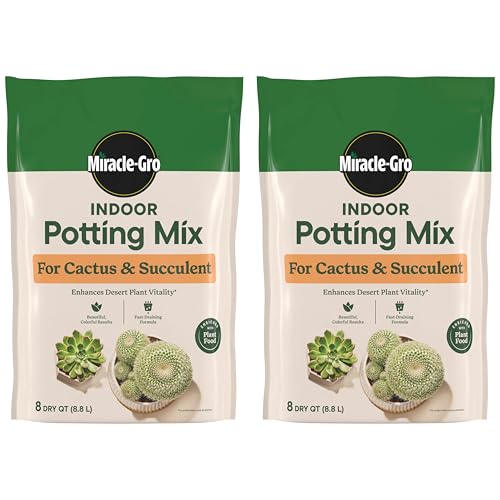
Miracle-Gro Indoor Potting Mix for Cactus and Succulent is enriched with Miracle-Gro Plant Food and enhances desert plant vitality (vs unfed plants when used as directed)
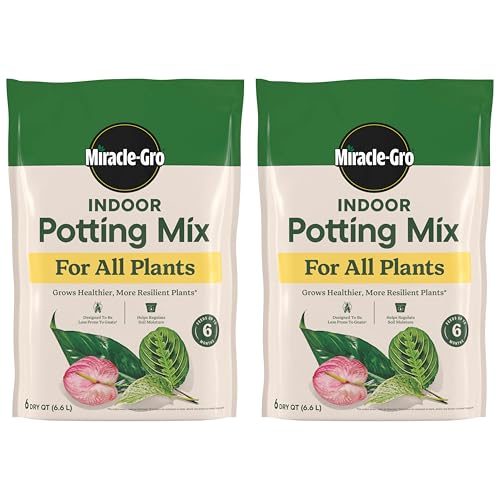
Miracle-Gro Indoor Potting Mix for All Plants feeds houseplants for up to 6 months and grows healthier, more resilient plants (vs unfed when used as directed)
Container Gardening Essentials for Rhode Island
Container gardening offers a practical solution for growing pear trees in Rhode Island’s unique coastal climate. Understanding the essentials of this gardening method can ensure successful cultivation, allowing you to enjoy fresh fruit even in limited spaces. This section will explore key considerations and techniques tailored specifically for container gardening in the region.
| Supply | Purpose |
|---|---|
| Potting Mix | Provides nutrients and drainage |
| Fertilizer | Supports growth |
| Watering Can | Ensures proper hydration |
| Mulch | Retains moisture |
Potted Pear Tree Watering Strategies
Successfully growing potted pear trees in Rhode Island requires careful attention to watering practices. Given the region’s coastal climate, understanding the specific moisture needs of these trees is crucial for their health and productivity. This section explores effective watering strategies to ensure your potted pear trees thrive throughout the growing season.
Effective watering and fertilizing techniques are vital for the health of your potted pear trees. Overwatering or underwatering can lead to root rot or stunted growth. Implement these practices:
Watering: Check the soil moisture regularly. Water when the top inch of soil feels dry. Ensure excess water drains out.
Fertilizing: Apply fertilizer every 4-6 weeks during the growing season. Follow the manufacturer’s instructions for dosage.
Overwatering Risks for Potted Pear Trees
Overwatering is a significant concern for potted pear trees, especially in Rhode Island’s coastal climate. Excess moisture can lead to root rot and other complications that hinder growth and fruit production. Understanding the signs of overwatering and implementing proper watering techniques is essential for maintaining healthy trees in pots.
Overwatering can lead to root rot. Always check soil moisture before watering.
Pest and Disease Management for Potted Pears
Managing pests and diseases is crucial for the health of potted pear trees, especially in Rhode Island’s unique coastal climate. This section provides essential strategies and insights to help you identify common threats and implement effective control measures. By understanding the specific challenges faced by potted pears, you can ensure a thriving and productive tree.
Pests and diseases can threaten the health of your potted pear trees. Regular monitoring and proactive management are essential. Consider these common issues:
Pear Psylla: Small insects that can cause leaf drop. Use insecticidal soap for treatment.
Fire Blight: A bacterial disease that affects blossoms and young shoots. Prune affected areas immediately.
Fungal Issues: Ensure good air circulation around the plant to prevent fungal diseases.
Pests Affecting Potted Pear Trees
Potted pear trees can thrive in Rhode Island’s coastal climate, but they are not immune to various pests that can hinder their growth and fruit production. Understanding the specific pests that target these trees is essential for effective management and maintaining their health. This section delves into the common pests affecting potted pear trees and offers insights on prevention and control strategies.
| Pest | Symptoms | Treatment |
|---|---|---|
| Pear Psylla | Leaf drop | Insecticidal soap |
| Fire Blight | Wilting blossoms | Prune affected areas |
| Powdery Mildew | White fungal growth | Neem oil or fungicide |
Seasonal Care Strategies for Potted Pear Trees
Caring for potted pear trees in Rhode Island requires a tailored approach to seasonal changes. Understanding the unique climate challenges and growth cycles in this coastal region is essential for ensuring healthy fruit production. The following strategies will guide you through the specific care needed throughout the year to keep your potted pear trees thriving.
Seasonal care is crucial for the longevity and productivity of your potted pear trees. Different seasons require different approaches to care. Here are key considerations:
Spring: Fertilize and prune as necessary. Monitor for pests as new growth emerges.
Summer: Maintain consistent watering. Mulch to retain moisture and regulate soil temperature.
Fall: Prepare for winter by reducing watering and applying a winter mulch to protect roots.
Potted Pear Tree Seasonal Care Tasks
Caring for potted pear trees in Rhode Island requires attention to seasonal changes that can impact their growth and fruit production. Understanding the specific tasks needed throughout the year will help ensure these trees thrive in a coastal environment. This section outlines essential care routines tailored to the unique climate and conditions of the region.
| Season | Task |
|---|---|
| Spring | Fertilize and prune |
| Summer | Water consistently |
| Fall | Apply winter mulch |
| Winter | Protect from freezing temps |
Potted Pear Tree Care in Coastal Rhode Island
Following these guidelines will help ensure your potted pear trees thrive in Rhode Island’s coastal environment. Regular care, pest management, and seasonal adjustments will lead to fruitful harvests. Enjoy the process of nurturing your trees and reaping the rewards of your efforts.
