

Growing pear trees in pots in Philadelphia offers a unique opportunity for urban gardeners. These trees can thrive in containers, providing fresh fruit while maximizing limited space. With the right care and conditions, you can enjoy a fruitful harvest even in a bustling city environment.
Best Pear Tree Varieties for Container Gardening
Choosing the right pear tree variety is crucial for successful container gardening. Some varieties are better suited for pots due to their size and growth habits. Look for dwarf or semi-dwarf varieties that are known to adapt well to container life.
Bartlett Pear: Sweet and juicy, great for fresh eating.
Seckel Pear: Small, flavorful, and perfect for compact spaces.
Kieffer Pear: Hardy and disease-resistant, ideal for beginners.
Container Selection and Soil Mix for Pear Trees
Choosing the right container and soil mix is crucial for successfully growing pear trees in pots, especially in a city environment like Philadelphia. The right combination will ensure proper drainage, aeration, and nutrient retention, allowing your trees to thrive despite the challenges of urban gardening. This section will guide you through selecting the best options for your container garden.
The right container and soil mix are essential for healthy growth. A well-draining pot helps prevent root rot while providing ample space for growth. Use a high-quality potting mix designed for fruit trees.
Container Size: Choose a pot that is at least 18 to 24 inches in diameter.
Soil Mix: Combine potting soil with perlite or sand for drainage.
Drainage Holes: Ensure your container has adequate drainage to prevent water accumulation.
Recommended Products

HELPS REGULATE SOIL MOISTURE: Miracle-Gro Organic Indoor Potting Soil Mix is an organic potting soil that protects indoor plants against over and under watering

INDOOR GROWING: Growing indoors is easy under the right conditions; Miracle-Gro Houseplant Potting Mix is an indoor plant potting soil that combines key elements container plants need to thrive
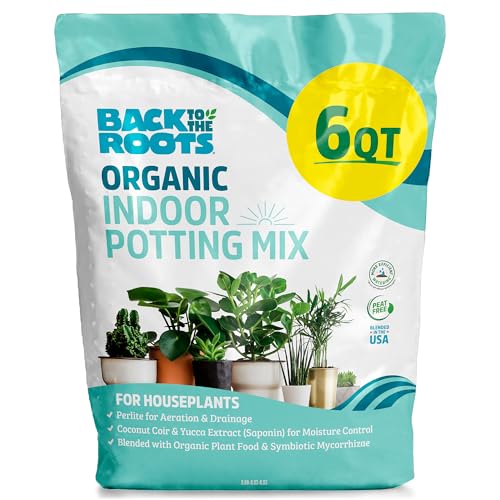
Includes 6qt of Back to the Roots Indoor Potting Mix. Our Potting Mix contains organic yucca extract that aids in retaining moisture in the soil which keeps your indoor plants happy and healthy
Watering Techniques for Potted Pear Trees
Proper watering is crucial for the health of potted pear trees, especially in a city environment like Philadelphia. Understanding the unique needs of these trees will help ensure they thrive in containers, adapting to both the challenges of urban gardening and the specific climate conditions of the area. This section explores effective watering techniques tailored for successful growth.
Proper watering and fertilization are vital for the health of your pear trees. Container plants require more frequent watering than those in the ground due to faster drying.
Watering Frequency: Check soil moisture regularly; water when the top inch is dry.
Fertilization Schedule: Use a balanced fertilizer every 4-6 weeks during the growing season.
Organic Options: Consider using compost or organic fertilizers for healthier growth.
Container Pear Tree Seasonal Care Tips
Growing pear trees in containers can be a rewarding endeavor, especially in a city like Philadelphia where space is often limited. Proper seasonal care is essential to ensure your potted pear trees thrive throughout the year. This section offers practical tips tailored to help you maintain healthy and productive container pear trees in your urban garden.
Seasonal changes require adjustments in care for your container pear trees. Understanding the needs during different times of the year can maximize fruit production.
Spring: Prune to encourage growth and remove any dead branches.
Summer: Monitor for pests and diseases; apply organic pesticides if necessary.
Fall: Prepare for winter by reducing watering and applying mulch to protect roots.
Pest and Disease Management for Container Pear Trees
Managing pests and diseases is crucial for the health of container pear trees, especially in urban settings like Philadelphia. The unique challenges posed by city environments can affect tree vitality, making it essential to adopt effective strategies. This section explores practical approaches to safeguarding your potted pear trees from common threats.
Container pear trees can be susceptible to pests and diseases. Regular monitoring and preventive measures can help maintain plant health.
Common Pests: Aphids, spider mites, and scale insects.
Diseases to Watch: Fire blight and powdery mildew.
Preventive Measures: Use insecticidal soap and maintain good air circulation around the tree.
Optimal Timing for Harvesting Pears
Understanding the optimal timing for harvesting pears is crucial for ensuring the best flavor and texture. In Philadelphia’s unique climate, knowing when to pick your potted pear trees can make a significant difference in your city garden’s productivity. This section will guide you through the indicators and timing for a successful harvest.
Knowing when and how to harvest your pears is essential for the best flavor. Timing affects the sweetness and texture of the fruit.
Harvest Time: Generally, pears are ready to pick in late summer to early fall.
Ripening: Allow pears to ripen off the tree for improved flavor.
Storage Tips: Store in a cool, dark place to prolong freshness.
| Variety | Growth Habit | Flavor Profile | Best Use |
|---|---|---|---|
| Bartlett | Dwarf | Sweet | Fresh eating |
| Seckel | Semi-dwarf | Spicy-sweet | Canning |
| Kieffer | Dwarf | Tart | Cooking and baking |
Urban Gardening Climate and Soil Insights
Understanding the unique climate and soil conditions in Philadelphia is essential for successfully growing pear trees in pots. This section delves into the specific environmental factors and soil characteristics that urban gardeners must consider to cultivate healthy, thriving trees in a city setting. By tailoring your approach to these insights, you can maximize your gardening efforts.
Urban gardening presents unique challenges and opportunities. Understanding your local climate and soil conditions can make a significant difference.
Microclimates: Identify warmer or cooler areas on your balcony or patio.
Sunlight Requirements: Ensure your pear trees receive at least 6 hours of sunlight daily.
Winter Protection: Move pots to a sheltered area or wrap them to protect against freezing temperatures.
Establishing pear trees in pots in Philadelphia can be a rewarding endeavor. With careful selection, preparation, and ongoing care, you can enjoy the fruits of your labor in a vibrant city setting.
