

Growing orange trees in Maryland requires careful attention to climate and care practices. With the right varieties and proper maintenance, successful cultivation is achievable even in the Mid-Atlantic region.
Best Orange Tree Varieties for Maryland
When selecting orange trees for Maryland, it’s essential to consider varieties that thrive in the Mid-Atlantic climate. The right choice can lead to successful growth and fruitful harvests. This section highlights the best orange tree varieties suited for Maryland’s unique conditions, ensuring both beauty and productivity in your garden.
Choosing the appropriate orange tree variety is crucial for successful growth in Maryland’s climate. The most suitable options include Washington Navel, Valencia, and Blood Orange. These varieties are known for their resilience and adaptability to cooler temperatures.
Washington Navel: Known for its sweet flavor and seedless fruit, this variety thrives in warmer areas but can adapt to Maryland’s climate with proper care.
Valencia: Excellent for juicing, this variety requires a bit more warmth and sunlight to produce quality fruit.
Blood Orange: Distinctive for its deep red flesh, this variety is also a good choice but may need extra protection during colder months.
Maryland Climate and Soil for Orange Trees
Understanding the unique climate and soil conditions of Maryland is essential for successfully growing orange trees in the region. The interplay between temperature, humidity, and soil type plays a crucial role in determining the viability of these citrus plants. This section delves into the specific environmental factors that influence orange tree cultivation in Maryland’s Mid-Atlantic area.
Maryland’s climate presents challenges for growing orange trees due to its cold winters and variable temperatures. Understanding the local climate and soil conditions is vital for success.
Temperature: Orange trees prefer temperatures between 70°F and 90°F. Maryland’s winters can drop below freezing, necessitating protective measures.
Soil Type: Well-draining soil is essential for healthy root development. Sandy loam or loamy soil with good organic matter is ideal.
Climate Suitability for Orange Varieties
Understanding the climate suitability for various orange tree varieties is crucial for successful cultivation in Maryland. The Mid-Atlantic region presents unique challenges and opportunities, influenced by its temperate climate and seasonal variations. This section delves into the specific conditions that favor the growth of orange trees, helping growers make informed decisions for optimal results.
| Variety | Temperature Range | Frost Tolerance | Growth Difficulty |
|---|---|---|---|
| Washington Navel | 70°F – 90°F | Moderate | 3 |
| Valencia | 70°F – 90°F | Low | 4 |
| Blood Orange | 70°F – 90°F | Moderate | 3 |
Optimal Site Selection for Orange Trees
Selecting the right site for orange trees in Maryland is crucial for their growth and fruit production. The Mid-Atlantic climate presents unique challenges and opportunities, making it essential to consider factors such as sunlight, soil type, and drainage. Understanding these elements will help ensure a successful planting experience and healthy trees.
Preparing the planting site is crucial for the health of your orange trees. This involves selecting the right location and preparing the soil.
Location: Choose a spot that receives full sun for at least 6-8 hours daily. Avoid areas prone to frost.
Soil Preparation: Test the soil pH; it should be between 6.0 and 7.5. Amend the soil with compost or well-rotted manure to improve fertility and drainage.
Planting Techniques for Orange Trees
Successfully planting orange trees in Maryland requires an understanding of the local climate and soil conditions. This section outlines effective techniques tailored for the Mid-Atlantic region, ensuring that your orange trees thrive and produce fruit. Whether you’re a novice or experienced gardener, these strategies will help you establish a healthy orchard.
Dig a Hole: Create a hole twice as wide and as deep as the root ball.
Amend Soil: Mix the excavated soil with compost.
Position the Tree: Place the tree in the center of the hole, ensuring the graft union is above soil level.
Backfill: Fill the hole with the amended soil, gently packing it down.
Water Thoroughly: After planting, water deeply to settle the soil around the roots.
Optimal Care Techniques for Maryland Orange Trees
Caring for orange trees in Maryland requires specific techniques tailored to the region’s climate and soil conditions. Understanding the optimal practices for watering, fertilization, and pest management is essential for successful growth and fruit production. This section delves into the best care strategies to ensure your orange trees thrive in the Mid-Atlantic environment.
Proper care is essential for the growth and productivity of orange trees. This includes regular watering, fertilization, and pest management.
Watering: Orange trees require deep watering every 1-2 weeks, especially during dry spells. Ensure the soil remains moist but not waterlogged.
Fertilization: Use a balanced citrus fertilizer every 6-8 weeks during the growing season to promote healthy growth and fruit production.
Pest Management: Monitor for common pests such as aphids and spider mites. Use organic insecticidal soap as needed.
Recommended Products
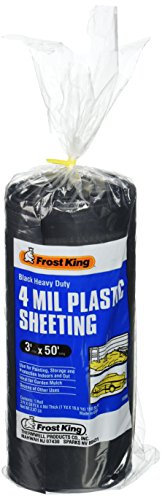
Plastic Sheeting has dozens of uses around the home, garden and garage

10 x 30-foot frost protection plant cover for defending plants from light frost, light snow, and mild cold conditions

ALL-SEASON PLANT PROTECTION - Safeguard your plants through the harsh winters with our breathable Plant Frost Cover, designed to shield against frost, freezing temperatures, snow, and harsh winds. Extend your growing season into the colder months while ensuring your plants thrive year-round.
Winter Frost Protection Strategies for Orange Trees
Winter frost can pose significant challenges for orange trees in Maryland, where temperatures can drop unexpectedly. Implementing effective frost protection strategies is essential to safeguard these delicate plants during the colder months. This section explores various methods to ensure your orange trees thrive despite the harsh winter conditions.
During winter, protecting orange trees from frost is crucial. Here are effective strategies:
Mulching: Apply a thick layer of mulch around the base to insulate roots.
Frost Covers: Use frost cloths or blankets during cold snaps to shield trees from freezing temperatures.
Container Growing: Consider growing trees in pots to move them indoors during severe weather.
Common Orange Tree Care Challenges
Growing orange trees in Maryland presents unique challenges due to the region’s climate and soil conditions. Understanding these common care issues is essential for successful cultivation, as factors like temperature fluctuations, pests, and diseases can significantly impact tree health and fruit production. This section explores the most prevalent challenges faced by orange tree growers in the Mid-Atlantic.
Understanding common issues can help in maintaining healthy orange trees. Here are some frequent problems and their solutions.
Leaf Drop: This may indicate overwatering. Adjust watering frequency and ensure proper drainage.
Poor Fruit Set: Insufficient pollination can lead to fewer fruits. Hand pollination may be necessary in some cases.
Yellowing Leaves: This often signals nutrient deficiencies. Test soil and adjust fertilization accordingly.
| Issue | Possible Cause | Solution |
|---|---|---|
| Leaf Drop | Overwatering | Reduce watering frequency |
| Poor Fruit Set | Insufficient pollination | Hand pollinate |
| Yellowing Leaves | Nutrient deficiency | Test soil, fertilize |
Growing Orange Trees Successfully in Maryland
Growing orange trees in Maryland presents unique challenges and opportunities due to the region’s climate. Understanding the specific conditions necessary for successful cultivation, from soil requirements to seasonal care, is essential for gardeners looking to thrive in this endeavor. This section explores effective strategies to ensure your orange trees flourish in the Mid-Atlantic environment.
Growing orange trees in Maryland requires careful planning and dedication. By selecting the right variety and implementing effective care strategies, you can enjoy a fruitful harvest even in a challenging climate.
