

Growing pomegranate trees in New Mexico’s high desert is achievable with the right techniques. Selecting drought-resistant varieties and implementing proper care can yield fruitful results in this challenging climate.
Best Pomegranate Varieties for High Desert
When cultivating pomegranate trees in New Mexico’s high desert, selecting the right variety is crucial for successful growth and fruit production. The unique climate conditions demand specific traits in pomegranates, such as drought resistance and heat tolerance. This section highlights the best pomegranate varieties suited for thriving in the challenging environment of the high desert.
Choosing the appropriate pomegranate variety is crucial for success in New Mexico’s arid conditions. Some varieties thrive better in high desert environments due to their adaptability to heat and drought. Look for:
Wonderful: This is the most popular variety, known for its large, sweet fruits.
Angel Red: This variety produces large, juicy pomegranates with a rich flavor.
Parfianka: This type is prized for its sweet-tart taste and high juice content.
Consider local nurseries for native or well-adapted options that can withstand the region’s unique challenges.
Recommended Products

Premium Heirloom Variety: Grow your own pomegranate trees from authentic heirloom seeds that produce stunning ruby-red fruits bursting with sweet-tart flavor and packed with antioxidants for a healthy homegrown harvest

Dried Pomegranate Seeds - All Natural

Dried Pomegranate Seeds - All Natural
Soil Testing for Pomegranate Growth
Understanding the soil composition is crucial for successfully growing pomegranate trees in New Mexico’s high desert climate. Soil testing provides valuable insights into nutrient levels, pH balance, and drainage capabilities, all of which directly impact the health and productivity of these vibrant trees. Proper analysis ensures that growers can tailor their cultivation strategies for optimal results.
Pomegranates prefer well-drained soils with a pH level between 5.5 and 7.0. Conducting a soil test is essential to determine nutrient levels and pH balance.
Amend the soil based on the results to ensure optimal growth. Key amendments include:
Organic matter: Enhances soil structure and fertility.
Sand: Improves drainage in heavy soils.
Lime: Raises pH in overly acidic soils.
Regularly check soil moisture levels to prevent root rot, especially during the rainy season.
| Soil Amendment | Purpose |
|---|---|
| Organic matter | Enhances fertility |
| Sand | Improves drainage |
| Lime | Adjusts pH levels |
Pomegranate Tree Planting Preparation Steps
Successfully growing pomegranate trees in New Mexico’s high desert requires careful planning and preparation. This section outlines essential steps to ensure your planting process is effective, from selecting the right location to understanding soil requirements. By following these guidelines, you can create an optimal environment for your pomegranate trees to thrive.
Proper preparation is essential for planting pomegranate trees. Start by selecting a sunny location that receives at least six hours of direct sunlight daily. Follow these steps:
Clear the area of weeds and debris.
Dig a hole twice the width of the root ball and the same depth.
Mix the excavated soil with organic matter.
Place the tree in the center of the hole and backfill with the amended soil.
Water the tree thoroughly after planting to settle the soil around the roots.
Recommended Products

Fragrant Flowers: Bloom blossoms that provide precious nectar for pollinators like bees, creating your own romantic orchard with heavy fruit and rich flavor

🌱 Pomegranate trees can produce high volumes of fruits. This is a fun tree to have with beautiful flower blossoms and fragrances. Tree can be trimmed to your desire. Punica Granatum COLOR: Red Fruit
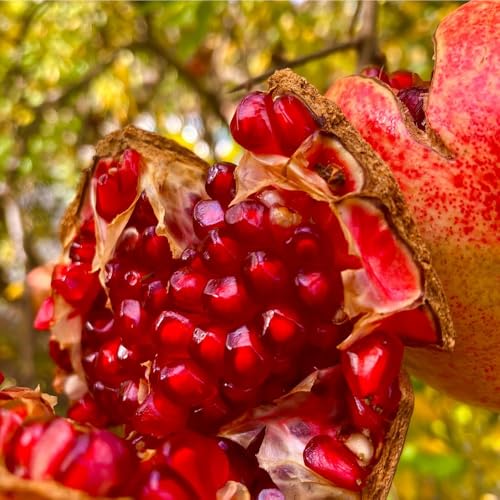
Product Quantity: 35+ organic pomegranate seeds per packet; Premium selection for optimal viability; Perfect for starting multiple trees to ensure successful germination
High Desert Watering Strategies for Pomegranates
Successfully growing pomegranate trees in New Mexico’s high desert requires careful attention to watering strategies. The region’s arid climate presents unique challenges, making it essential to implement effective methods that ensure trees receive adequate moisture while conserving water. This section outlines practical watering techniques tailored for the specific needs of pomegranates in this environment.
Watering pomegranate trees requires a strategic approach in the high desert. These trees are drought-tolerant but need regular moisture during establishment. Implement the following techniques:
Drip irrigation: This method conserves water and delivers moisture directly to the roots.
Mulching: Apply a 2-3 inch layer of mulch around the base to retain soil moisture and regulate temperature.
Deep watering: Water deeply but infrequently to encourage deep root growth.
Monitor soil moisture and adjust watering schedules based on seasonal changes.
Fertilization Strategies for Pomegranate Trees
Effective fertilization is crucial for the successful growth of pomegranate trees in New Mexico’s unique high desert environment. Understanding the specific nutrient needs and timing can significantly enhance fruit quality and yield. This section explores tailored fertilization strategies that cater to the challenges posed by the region’s soil and climate conditions.
Fertilization plays a significant role in the health of pomegranate trees. Use a balanced fertilizer to support growth, particularly during the growing season. Consider the following options:
Granular fertilizers: Apply in early spring before new growth begins.
Liquid fertilizers: Use during the growing season for a quick nutrient boost.
Organic options: Compost or well-rotted manure can improve soil health over time.
Be cautious not to over-fertilize, as this can lead to excessive foliage growth at the expense of fruit production.
Recommended Products

Package contains 4 Pounds organic fruit and citrus fertilizer grains and is produced to avoid wasteful runoff, mess, hazards and smells
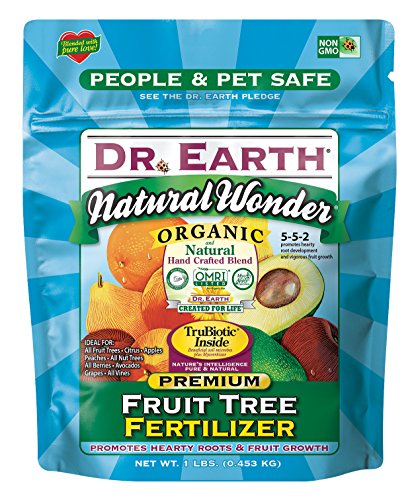
100% organic & natural hand crafted blend

🌳Olive & Fruit Trees: 6-4-6 fertilizer for fruit trees—ideal olive tree fertilizer for potted & outdoor trees; supports healthy growth and fruiting.
Pomegranate Pest and Disease Prevention Strategies
In the unique climate of New Mexico, pomegranate trees face specific pest and disease challenges that can threaten their growth and fruit production. Understanding effective prevention strategies is crucial for gardeners and farmers looking to cultivate healthy, thriving pomegranate trees in the high desert environment. This section outlines practical approaches to safeguard your plants from common threats.
Pomegranate trees can face various pests and diseases, especially in warm climates. Regular monitoring and preventive measures are essential. Common issues include:
Pomegranate fruit borer: This pest can damage the fruit and stems. Use insecticidal soap or neem oil for control.
Fungal diseases: Powdery mildew can occur in humid conditions. Ensure proper air circulation and avoid overhead watering.
Implementing integrated pest management strategies can significantly reduce the risk of infestations.
| Pest/Disease | Symptoms | Treatment |
|---|---|---|
| Pomegranate fruit borer | Damaged fruit | Insecticidal soap |
| Powdery mildew | White powdery growth | Neem oil |
Optimal Pomegranate Harvest Timing and Signs
Understanding the right timing for harvesting pomegranates is crucial for achieving the best flavor and quality in New Mexico’s high desert climate. This section will explore the optimal harvest period and the key signs that indicate when your pomegranates are ready to be picked, ensuring a successful yield from your trees.
Harvesting pomegranates at the right time ensures optimal flavor and quality. Look for these signs:
Color: The fruit should be a deep red color.
Sound: Tap the fruit; a metallic sound indicates ripeness.
Weight: Ripe pomegranates feel heavy for their size.
Use pruning shears to cut the fruit from the tree, leaving a small portion of the stem attached. Enjoy fresh or use in recipes for a nutritious addition to your diet.
