

Mulberry trees can thrive in pots in Nevada when proper desert irrigation strategies are implemented. Using techniques that conserve water while ensuring adequate moisture will promote healthy growth and fruit production.
Caring for Potted Mulberry Trees in Nevada
Caring for potted mulberry trees in Nevada requires a tailored approach to accommodate the unique challenges of the desert climate. With high temperatures and limited rainfall, understanding effective irrigation strategies is crucial for thriving plants. This section explores practical tips and techniques to ensure your mulberry trees flourish in their pots despite the arid conditions.
Mulberry trees are adaptable and can grow in various climates, including arid regions like Nevada. When planted in pots, they require specific care to thrive.
The right pot size, soil type, and irrigation methods are critical for success. Mulberries are known for their sweet fruit and attractive foliage, making them a popular choice for container gardening.
Recommended Products

NO MORE HARD INSTALLATION - SET UP IN MINUTES. Tired of struggling with stiff barbed fittings? This drip irrigation system features quick-connect fittings that let you push, lock, and secure tubing effortlessly. No tools, no leaks, just a smooth setup experience. Enjoy a frustration-free installation and get your garden watering system running in minutes.

【Adjustable valve】 The flow rate can be controlled. The plant watering Device with control valve can control the dripping speed of 0-62 s/drip, and the sustained drip lasts for 1-12 days, The bigger the bottle of water, the longer they water your plants; Water discharge is approx Only adjust the valve to Meet your needs without complicated setup steps.
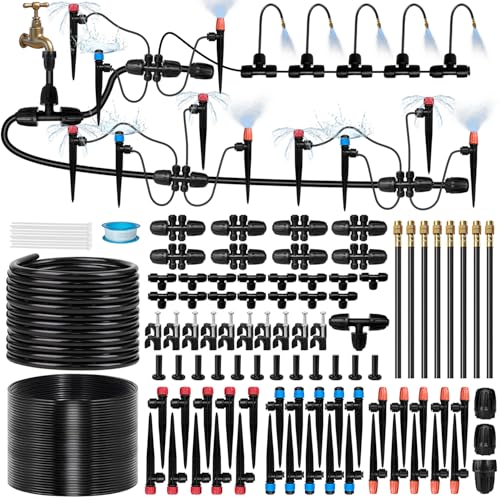
【Upgraded Tube Design & Water Saving】 Our garden watering system is upgraded to 1/2” diameter to support high water pressure. The 1/2” tee connector allows seamless splitting into 2 independent zones for customized watering schedules. By delivering moisture directly to root zones, this drip Irrigation system significantly reduces evaporation and runoff—saving more water compared to conventional sprinklers while eliminating the need for manual watering.
Potting and Soil Selection for Mulberry Trees
Selecting the right pot and soil for mulberry trees is crucial for their growth, especially in Nevada’s arid climate. The right combination can enhance drainage and moisture retention, ensuring that these trees thrive despite the challenges posed by desert conditions. Understanding these factors will help you create an optimal environment for your mulberry trees in pots.
Choosing the appropriate pot and soil is essential for the health of mulberry trees. A pot with good drainage will prevent root rot, while the right soil will provide necessary nutrients.
Pot Size: Use a pot that is at least 15-20 gallons to accommodate the tree’s root system.
Drainage: Ensure the pot has drainage holes to allow excess water to escape.
Soil Type: Use a well-draining potting mix enriched with organic matter. A mix of peat, perlite, and compost works well.
Desert Irrigation Methods for Mulberry Trees
In the arid climate of Nevada, successfully cultivating mulberry trees in pots requires effective irrigation strategies tailored to desert conditions. This section explores various methods that can optimize water usage and promote healthy growth, ensuring that these trees thrive despite the challenges posed by limited rainfall and high temperatures. Understanding these techniques is essential for any gardener looking to nurture mulberries in a pot.
Irrigation is crucial for mulberry trees, especially in the desert climate of Nevada. Efficient irrigation techniques will help conserve water while ensuring the trees receive adequate moisture.
Drip Irrigation: Install a drip irrigation system to deliver water directly to the roots. This method minimizes evaporation and runoff.
Watering Schedule: Water deeply once a week during the growing season. Adjust frequency based on rainfall and temperature.
Mulching: Apply a layer of organic mulch around the base of the tree to retain moisture and regulate soil temperature.
Soil Moisture Management for Potted Mulberries
Managing soil moisture is crucial for the health of potted mulberry trees in Nevada’s arid climate. With limited rainfall and high evaporation rates, understanding how to effectively monitor and maintain soil moisture levels can significantly impact growth and fruit production. This section explores practical strategies for ensuring optimal hydration for these versatile trees.
Regularly monitoring soil moisture levels will help prevent overwatering and underwatering. This practice is vital for the health of mulberry trees in pots.
Moisture Meter: Use a soil moisture meter to check moisture levels at root depth.
Visual Inspection: Look for signs of stress, such as wilting leaves or yellowing foliage.
Adjusting Watering: Modify your watering schedule based on moisture readings and weather conditions.
Nutrient Strategies for Potted Mulberry Trees
Successfully growing mulberry trees in pots in Nevada’s arid climate requires careful attention to nutrient management. This section explores effective strategies for providing essential nutrients, ensuring that your potted trees thrive despite the challenges posed by desert conditions. By implementing these tailored approaches, you can enhance growth and fruit production in your containerized mulberry trees.
Fertilization is necessary for mulberry trees to thrive in pots. Proper nutrients will support growth and fruit production.
Type of Fertilizer: Use a balanced, slow-release fertilizer formulated for fruit trees.
Application Frequency: Fertilize every 6-8 weeks during the growing season.
Organic Options: Consider organic fertilizers like fish emulsion or compost tea for a natural nutrient boost.
Pest and Disease Control for Potted Mulberries
Potted mulberry trees can be susceptible to various pests and diseases, especially in the challenging climate of Nevada. Effective management strategies are essential to ensure the health and productivity of these trees. This section explores the common threats to potted mulberries and offers practical solutions for maintaining their vitality in a desert environment.
Mulberry trees can be susceptible to pests and diseases, especially when grown in pots. Regular monitoring and preventive measures can help maintain tree health.
Common Pests: Watch for aphids, spider mites, and scale insects. Use insecticidal soap or neem oil for treatment.
Disease Prevention: Ensure good air circulation around the tree to prevent fungal diseases. Remove any dead or diseased leaves promptly.
Regular Inspections: Conduct weekly inspections to catch issues early.
Year-Round Care for Potted Mulberry Trees
Caring for potted mulberry trees in Nevada’s arid climate requires a tailored approach to ensure their health and vibrancy throughout the year. Understanding seasonal needs and effective irrigation strategies is crucial for successful growth in a desert environment. This section outlines essential care practices to help your mulberry trees thrive in pots, regardless of the season.
Seasonal care is vital for mulberry trees to adapt to changing weather conditions. Understanding the needs of the tree throughout the year will promote healthy growth.
Spring: Prune any dead or damaged branches to encourage new growth.
Summer: Monitor water levels closely as temperatures rise. Adjust irrigation as needed.
Fall: Prepare the tree for winter by reducing watering and applying mulch for insulation.
| Season | Key Action | Notes |
|---|---|---|
| Spring | Prune branches | Encourage growth |
| Summer | Adjust irrigation | Monitor closely |
| Fall | Apply mulch | Insulate roots |
Mulberry Tree Container Care Essentials
Caring for mulberry trees in containers requires a tailored approach, especially in Nevada’s arid climate. Understanding the specific needs of these trees, from soil composition to watering techniques, is crucial for successful growth. This section outlines essential care practices to ensure your potted mulberry thrives despite the challenges of desert conditions.
Container gardening presents unique challenges and rewards. Understanding the specific needs of mulberry trees will enhance your gardening experience.
Location: Place pots in a sunny location with at least 6 hours of sunlight daily.
Winter Care: Protect pots from freezing temperatures by moving them indoors or insulating them.
Long-Term Planning: Consider repotting every 2-3 years to refresh soil and promote root health.
Mulberry trees can flourish in pots in Nevada with the right irrigation strategies and care. Implementing these practices will ensure a bountiful harvest and a thriving garden.
