

Growing mango trees in pots in Minnesota is feasible with proper care and preparation. To survive harsh northern winters, these trees require specific conditions, including indoor shelter and careful monitoring of temperature and moisture levels.
Best Mango Varieties for Minnesota Pots
When considering mango trees for container gardening in Minnesota, selecting the right variety is crucial for success. Certain mango types are better suited to withstand the challenges of colder climates while thriving in pots. This section outlines the best mango varieties that can adapt to Minnesota’s unique growing conditions.
Choosing the appropriate mango tree variety is essential for successful growth in Minnesota. Some varieties are more adaptable to cooler climates and can thrive in pots. Look for varieties such as:
Tommy Atkins: Known for its disease resistance and ability to tolerate cooler temperatures.
Haden: Offers a rich flavor and can adapt to container growth.
Palmer: A late-season variety that produces large fruits and is more cold-tolerant.
These varieties can withstand lower temperatures while still producing fruit.
Recommended Products
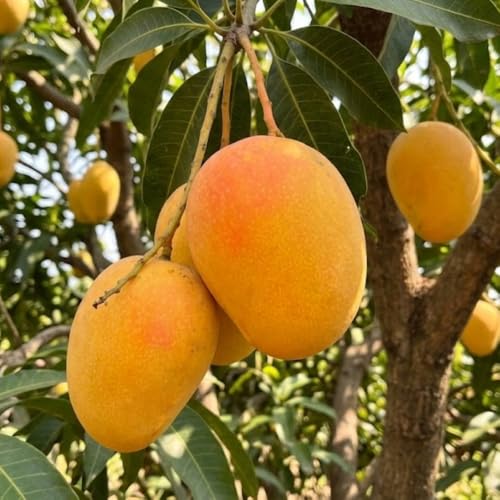
Includes 1 live bright yellow mango plant, approximately 2–2.5 feet tall, ready for outdoor planting

MULTIPLE VARIETIES AVAILABLE: Premium fig tree varieties including Brown Turkey, Celeste, Chicago Hardy, and Black Mission depending on availability, all producing sweet, delicious figs for fresh eating or drying

ESTABLISHED QUART STARTER: You receive a Pawpaw tree settled in a 1 quart pot, standing 6-12 inches tall. This established size is easy for you to handle and can be placed directly into your garden soil or a larger transition container.
Pot Size and Material for Mango Trees
Selecting the right pot size and material is crucial for the successful growth of mango trees in Minnesota’s challenging climate. The pot must provide adequate space for root development while also offering insulation against harsh winter temperatures. Understanding these factors can significantly enhance the chances of your mango tree thriving despite the northern conditions.
The size and material of the pot play a significant role in the health of your mango tree. A larger pot allows for better root development and moisture retention. Consider the following:
Size: A pot with a diameter of at least 18 inches is ideal for young trees.
Material: Choose between ceramic, plastic, or fiberglass. Ceramic pots retain moisture better but can be heavy. Plastic pots are lighter and easier to move.
Ensure the pot has adequate drainage holes to prevent root rot.
Optimal Soil Blend for Potted Mango Trees
Creating the right soil blend is crucial for potted mango trees, especially in the challenging climate of Minnesota. The optimal mix not only supports healthy growth but also ensures adequate drainage and nutrient retention, which are vital for the tree’s survival during harsh northern winters. Understanding these components will help you cultivate thriving mango trees in pots.
The right soil mixture is crucial for the growth of mango trees in pots. A well-draining mix promotes healthy root systems. Use a combination of:
Potting soil: Provides a nutrient-rich base.
Perlite or vermiculite: Improves drainage and aeration.
Coconut coir: Retains moisture without becoming waterlogged.
A balanced mix will support growth and prevent common issues such as root rot.
Mango Tree Temperature and Light Management
Successfully growing mango trees in pots in Minnesota requires careful attention to temperature and light management. Understanding the specific needs of these tropical plants is crucial for their survival during harsh northern winters, as well as for promoting healthy growth during the warmer months. This section delves into effective strategies for maintaining optimal conditions for your mango trees.
Mango trees require specific temperature and light conditions to thrive. In Minnesota, it is essential to manage these factors carefully.
Indoor Placement: During winter, place the pots indoors in a sunny location. A south-facing window is ideal.
Temperature: Maintain indoor temperatures between 60°F and 75°F. Protect the tree from drafts and sudden temperature changes.
Use grow lights if natural sunlight is insufficient during the winter months.
| Factor | Ideal Condition | Action |
|---|---|---|
| Temperature | 60°F to 75°F | Monitor indoor climate |
| Light | 6-8 hours of sunlight | Use grow lights if needed |
| Soil pH | 6.0 to 7.0 | Test and amend soil |
Mango Tree Watering and Fertilization Tips
Caring for mango trees in pots during Minnesota’s harsh winters requires a careful approach to watering and fertilization. Proper hydration and nutrient management are essential for their survival and growth in a challenging climate. This section outlines effective strategies to ensure your mango tree thrives despite the cold conditions.
Proper watering and fertilization are critical for the health of your mango tree. Over or under-watering can lead to stress and disease.
Watering: Water when the top inch of soil feels dry. Ensure excess water drains out.
Fertilizing: Use a balanced fertilizer every 4-6 weeks during the growing season. Look for a formula high in potassium to support fruit development.
Monitor the tree for signs of nutrient deficiency, such as yellowing leaves.
Preventing Pests on Indoor Mango Trees
Keeping indoor mango trees healthy in Minnesota requires vigilance against pests, especially during the colder months. These trees, while resilient, can attract unwanted insects that thrive in indoor environments. Understanding how to prevent and manage these pests is essential for ensuring your mango tree flourishes despite the challenges of northern winters.
Even indoor mango trees can attract pests. Regular monitoring and preventative measures are necessary to keep your plants healthy.
Common Pests: Aphids, spider mites, and mealybugs can infest mango trees.
Prevention: Use insecticidal soap or neem oil as a natural deterrent. Regularly inspect leaves for early signs of infestation.
Immediate action can prevent severe damage and ensure a healthy tree.
Mango Tree Winter Dormancy Preparation
Preparing mango trees for winter dormancy is crucial for their survival in Minnesota’s harsh climate. Understanding the specific steps to take can help ensure these tropical plants endure the cold months. This section outlines essential practices for protecting your potted mango trees during winter, allowing them to thrive once warmer weather returns.
As winter approaches, preparing your mango tree for dormancy is vital. This process helps the tree conserve energy and survive the cold months.
Reduce Watering: Gradually decrease watering as temperatures drop. Allow the soil to dry out slightly between waterings.
Temperature Control: Keep the indoor environment stable. Avoid exposing the tree to cold drafts.
Proper winter care can ensure that your mango tree emerges healthy in the spring.
Mango Tree Care: Common Problem Solutions
Caring for mango trees in pots during Minnesota’s harsh winters presents unique challenges. Understanding common problems that can arise, from temperature fluctuations to pest infestations, is essential for maintaining healthy plants. This section explores practical solutions to ensure your mango trees thrive despite the cold climate.
Addressing common issues promptly can save your mango tree from decline. Be aware of the following problems:
Leaf Drop: Can indicate overwatering or sudden temperature changes.
Yellow Leaves: Often a sign of nutrient deficiency or poor drainage.
Regular observation and timely intervention are key to maintaining tree health.
Mango Tree Care for Northern Climates
Caring for mango trees in northern climates presents unique challenges, especially in Minnesota’s harsh winters. Understanding the specific needs of these tropical plants can help ensure their survival and growth in pots. This section delves into essential care practices tailored for mango trees thriving in less-than-ideal conditions.
Growing mango trees in pots in Minnesota requires dedication and attention to detail. By selecting the right variety, managing environmental conditions, and providing proper care, you can enjoy the rewards of homegrown fruit even in challenging climates.
