

Growing papaya trees in Colorado at high altitudes is challenging but achievable with the right techniques. By selecting cold-hardy varieties and implementing protective measures, you can enjoy fresh papayas even in cooler climates.
Best Papaya Varieties for High Altitudes
Selecting the right papaya variety is crucial for successful cultivation in Colorado’s high altitudes. Certain types are better suited to withstand cooler temperatures and varying climates, ensuring robust growth and fruit production. Understanding these varieties will help you make informed choices for your papaya garden.
Choosing the right papaya variety is crucial for success in Colorado’s high-altitude climate. Some varieties are more tolerant of cooler temperatures and shorter growing seasons. Look for options such as:
Red Lady: Known for its sweet flavor and disease resistance.
Sunrise: A smaller tree that produces flavorful fruit and can withstand mild frost.
These varieties can thrive better in the unique conditions found in Colorado.
Recommended Products

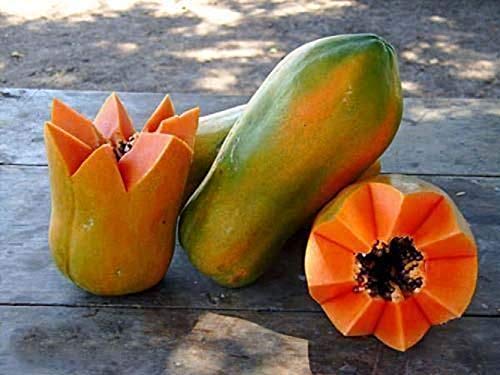

✔️ Natural, sun died papaya seeds: Our papaya seeds are naturally collected and dried under the sun. Gently processed, 100% vegan, gluten free, lactose free and without additives.
Soil Preparation for Thriving Papaya Trees
Successful papaya cultivation in Colorado’s high altitudes begins with proper soil preparation. The right soil conditions are crucial for these tropical trees to thrive in a less-than-ideal climate. Understanding the specific requirements for soil composition and drainage will set the foundation for healthy growth and fruit production.
Soil preparation plays a significant role in the growth of papaya trees. The right soil mix will ensure proper drainage and nutrient availability. Follow these steps:
Test the soil pH: Aim for a pH between 6.0 and 6.5.
Amend with compost: Mix in organic compost to improve soil structure and nutrient content.
Ensure drainage: Create raised beds if necessary to avoid waterlogging.
Proper soil preparation sets the foundation for healthy growth.
| Soil Component | Purpose |
|---|---|
| Compost | Nutrient enhancement |
| Sand | Improved drainage |
| Mulch | Moisture retention |
Frost Protection Techniques for Papaya Trees
Growing papaya trees in Colorado’s high altitudes presents unique challenges, particularly when it comes to frost protection. Understanding effective techniques to shield these tropical plants from cold temperatures is crucial for successful cultivation. This section explores practical methods to safeguard your papaya trees, ensuring they thrive despite the region’s unpredictable climate.
Frost can be detrimental to papaya trees, especially during early spring and late fall. Implementing protective measures can help prevent damage. Consider these strategies:
Row covers: Use lightweight fabric to shield young plants from frost.
Mulching: Apply a thick layer of mulch around the base to retain soil warmth.
Windbreaks: Plant shrubs or install fences to reduce wind exposure.
These methods can significantly reduce frost risk and promote healthier growth.
Recommended Products

Product Features: Our plant covers are ideal for protecting all plant. Made from premium 1 oz/sq non-woven fabric, their durability and breathability ensuring both insulation against frost and facilitation of sunlight penetration for healthy plant growth

※Big Size to cover large area : The size of our plant cover is 10x30ft, the size can cover large areas. You can cut the plant covers freeze protection into different sizes for different use. You can cover it over the plant such as shrub tomato, pepper, pumpkin, and so on.

THICKER MATERIAL: Our plant freeze protection cover is made of UV stabilized polypropylene. Upgraded thicker 0.9oz./sq.yard lightweight but durable. Soft plant covers are friendly and no harm to your plants. Breathable non-woven fabric allow light, air go through the frost cloths and reach the plants.
High Altitude Papaya Watering Strategies
Successfully growing papaya trees in Colorado’s high altitudes requires careful attention to their watering needs. The unique climate conditions can affect moisture levels, making it essential to adopt specific strategies to ensure these tropical plants thrive. Understanding the right techniques for watering will help optimize growth and fruit production in this challenging environment.
Watering practices need to be adjusted for Colorado’s high altitude. The drier air can lead to increased evaporation rates. Follow these guidelines:
Water deeply: Aim for 1-2 inches of water per week, allowing the soil to dry slightly between waterings.
Use drip irrigation: This method conserves water and delivers moisture directly to the roots.
Monitor humidity: Consider using a humidity gauge to ensure optimal conditions.
Proper watering techniques will support robust growth and fruit production.
Fertilization Strategies for Thriving Papaya Trees
Fertilizing papaya trees in Colorado’s unique high-altitude environment requires careful planning and execution. The right nutrients can significantly enhance growth and fruit production, ensuring that these tropical plants thrive despite the cooler climate. Understanding specific fertilization strategies is essential for cultivating healthy papaya trees that can withstand the challenges of their surroundings.
Regular fertilization is essential for healthy papaya trees. A balanced approach will promote vigorous growth and fruiting. Use the following guidelines:
Choose a balanced fertilizer: Look for a 10-10-10 NPK formula.
Apply every 6-8 weeks: Begin fertilization in early spring and continue until late summer.
Monitor leaf color: Yellowing leaves may indicate nutrient deficiencies.
Consistent fertilization will enhance the overall health of your papaya trees.
High-Altitude Pest and Disease Control
Growing papaya trees in Colorado’s high altitudes presents unique challenges, particularly when it comes to pest and disease management. The cooler temperatures and varying humidity levels can create an environment where specific threats emerge. Understanding how to effectively control these issues is crucial for ensuring healthy growth and a fruitful harvest.
Pest and disease issues can arise even in high-altitude environments. Regular monitoring and proactive management are key. Focus on these common challenges:
Aphids: Use insecticidal soap or neem oil to control infestations.
Fungal diseases: Ensure proper air circulation and avoid overhead watering to minimize risks.
Root rot: Prevent this by ensuring well-drained soil and avoiding overwatering.
Addressing these issues promptly will help maintain healthy trees.
Optimal Papaya Harvesting Methods
Harvesting papayas at high altitudes in Colorado requires specific techniques to ensure the fruit reaches its peak flavor and quality. Understanding the right timing and methods for harvesting can significantly impact the yield and taste of your papayas. This section explores the optimal practices for successfully harvesting these tropical fruits in a challenging environment.
Knowing when and how to harvest is vital for enjoying the best flavor from your papayas. Follow these steps for optimal results:
Watch for color change: Harvest when the skin turns from green to yellow.
Gently twist the fruit: Remove it from the stem without damaging the tree.
Store properly: Keep harvested fruit at room temperature until fully ripe.
Proper harvesting techniques will enhance the quality of your papayas.
Adjusting Care for Papaya Growth
Growing papaya trees in Colorado presents unique challenges due to the state’s high altitude and varying climate conditions. To ensure successful growth, it’s essential to adjust care practices accordingly, focusing on factors such as temperature regulation, soil quality, and watering techniques. Understanding these adjustments will help cultivate healthy, thriving papaya trees in this less-than-ideal environment.
Regular monitoring of your papaya trees will help you adjust care as needed. Keep an eye on growth patterns and environmental conditions. Consider these factors:
Growth rate: Slow growth may indicate nutrient deficiencies or water issues.
Leaf health: Yellowing or wilting leaves require immediate attention.
Fruit development: Monitor for signs of pests or diseases as fruit matures.
Regular adjustments will ensure a successful growing season.
