

Jujube trees thrive in New York City, particularly on rooftops, thanks to their adaptability to urban environments. These trees require minimal maintenance and can produce sweet, nutritious fruit, making them an excellent choice for city dwellers looking to maximize their green space.
Choosing Ideal Jujube Varieties for Rooftops
Choosing the appropriate jujube variety is crucial for success in rooftop gardening. Varieties such as Li and Lang are popular due to their hardiness and fruit quality. Consider factors like growth habit, fruit size, and climate adaptability when selecting a variety.
Top Jujube Varieties for Urban Gardens
When considering jujube trees for urban gardens in New York City, selecting the right variety is crucial for success. The unique climate and space constraints of rooftop gardens require specific jujube cultivars that thrive in these conditions. This section explores the top jujube varieties well-suited for urban environments, ensuring a fruitful and sustainable gardening experience.
| Variety | Growth Habit | Fruit Size | Flavor Profile |
|---|---|---|---|
| Li | Upright | Medium | Sweet, chewy |
| Lang | Spreading | Large | Crisp, sweet |
| Sugar Cane | Compact | Small | Sweet, tangy |
| Redlands | Spreading | Medium | Mild, sweet |
Rooftop Garden Setup for Jujube Trees
Creating a rooftop garden for jujube trees in New York City can be a rewarding venture, offering both aesthetic appeal and delicious fruit. This section outlines essential steps for setting up an optimal environment, ensuring your jujube trees thrive amidst the urban landscape. With careful planning and consideration, you can transform your rooftop into a fruitful oasis.
Creating an ideal environment for jujube trees involves several key steps. Ensure your rooftop has sufficient sunlight, ideally six to eight hours per day. Use large containers with good drainage to prevent root rot.
Rooftop Jujube Tree Container Requirements
Growing jujube trees on rooftops in New York City presents unique challenges and opportunities. Understanding the specific container requirements is crucial for ensuring these trees thrive in an urban environment. This section outlines the essential considerations for selecting the right containers to support healthy growth and fruit production.
Containers: At least 15 gallons for adequate root space
Potting Mix: Well-draining, organic mix
Fertilizer: Slow-release organic fertilizer
Watering Can: For consistent moisture
Successful Jujube Tree Planting Techniques
Planting your jujube trees correctly will set the foundation for healthy growth. Start by filling your container with potting mix, leaving space at the top for watering. Plant the tree at the same depth it was in its nursery container.
Planting Jujube Trees in Containers
Planting jujube trees in containers offers a practical solution for urban gardeners in New York City. With limited space and varying sunlight conditions, container gardening allows for flexibility and mobility, making it easier to cultivate these resilient trees. This section will explore the best practices for successfully growing jujube trees in pots, ensuring they thrive in an urban environment.
Fill the container with potting mix, leaving 2 inches from the top.
Remove the jujube tree from its nursery pot.
Place the tree in the center of the container.
Backfill with potting mix, firming gently around the roots.
Water thoroughly to settle the soil.
Jujube Tree Care: Watering and Fertilizing Techniques
Caring for jujube trees in New York City requires a tailored approach to watering and fertilizing, essential for thriving in rooftop environments. Understanding the specific needs of these resilient trees will help ensure they flourish despite urban challenges. This section delves into effective techniques that promote healthy growth and fruit production.
Proper watering and fertilizing techniques are vital for healthy jujube trees. These trees are drought-tolerant but benefit from regular watering during dry spells. Fertilize twice a year to promote growth and fruit production.
Recommended Products

Natural and Organic Hand Crafted Blend

Package contains 4 Pounds organic fruit and citrus fertilizer grains and is produced to avoid wasteful runoff, mess, hazards and smells

FORMULATED FOR CITRUS AND FRUIT TREES: Use these citrus fertilizer spikes on apple, orange, lemon, lime, and avocado trees; this formula is also great for feeding palm trees
Jujube Tree Watering Frequency in NYC
Understanding the watering frequency for jujube trees in New York City is crucial for successful rooftop cultivation. The unique urban environment presents specific challenges and opportunities that can affect how often these trees need water. This section will provide insights tailored to the needs of jujube trees thriving in NYC’s rooftop gardens.
Frequency: Water every 1-2 weeks during dry periods
Amount: Ensure soil is moist but not soggy
Signs of Underwatering: Wilting leaves, dry soil
Organic Fertilizer Tips for Jujube Trees
Organic fertilizers play a crucial role in nurturing jujube trees, especially in the unique urban environment of New York City. Understanding the right types and application methods can significantly enhance growth and fruit production. This section offers practical tips for selecting and using organic fertilizers to ensure your jujube trees thrive on rooftops and urban gardens.
Type: Use organic slow-release fertilizer
Timing: Apply in early spring and mid-summer
Amount: Follow package instructions for dosage
Urban Pest and Disease Management
Managing pests and diseases is crucial for the success of jujube trees in New York City’s unique urban environment. With limited space and specific challenges, understanding how to effectively protect these trees from common threats will ensure healthy growth and fruitful yields. This section explores practical strategies tailored to urban gardeners facing pest and disease issues.
Urban environments can attract various pests and diseases. Regular monitoring is essential.
Common issues include aphids and fungal infections. Use organic pest control methods to minimize chemical exposure.
Recommended Products
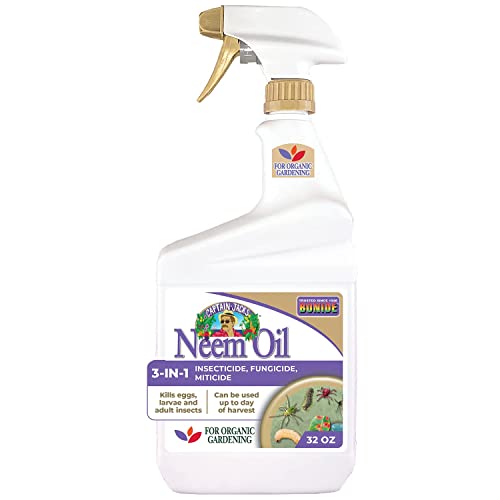
MULTI-PURPOSE BUG KILLER - Bonide Neem Oil is a perfect pest control solution for any garden dealing with mites, flies, mildew, and more. This product is a three-in-one fungicide, miticide, and insecticide.

INSECT KILLER: BioAdvanced Organics Brand Neem Oil spray controls aphids, whiteflies, spider mites, and other listed pests

PLANT DISEASE CONTROL: Natria Neem Oil acts as an insecticide and fungicide in one convenient spray; Ready-to-use trigger sprayer requires no mixing
Pest Management Strategies for Jujube Trees
Effective pest management is crucial for the health of jujube trees, especially in the unique urban environment of New York City. This section outlines practical strategies to protect these trees from common pests, ensuring they thrive on rooftops and contribute to the city’s green landscape. By implementing these techniques, urban gardeners can enjoy a bountiful harvest while minimizing damage.
| Pest | Signs | Solution |
|---|---|---|
| Aphids | Curling leaves | Neem oil spray |
| Spider mites | Webbing | Insecticidal soap |
| Fungal infections | Leaf spots | Copper fungicide |
Jujube Fruit Ripening and Harvest Tips
Understanding the ripening and harvesting process of jujube fruit is essential for maximizing your rooftop garden’s yield in New York City. This section delves into the specific signs of ripeness and offers practical tips to ensure you harvest at the optimal time, allowing you to enjoy the best flavor and quality from your jujube trees.
Harvesting jujube fruit is a rewarding experience. The fruit typically ripens in late summer to early fall. Look for a change in color and slight softness to determine ripeness.
Optimal Jujube Harvest Timing
Understanding the optimal timing for harvesting jujube trees is crucial for maximizing fruit quality and yield, especially in the unique urban environment of New York City. This section will guide you through the signs to look for and the best practices to ensure a successful harvest, allowing you to enjoy the fruits of your labor.
Timing: Harvest when fruit is brown and slightly soft
Method: Gently twist or cut the fruit from the branch
Storage: Store in a cool, dry place for best flavor
Rooftop Jujube Tree Care Essentials
Caring for jujube trees on rooftops in New York City requires specific attention to their unique growing conditions. With limited space and exposure to urban elements, understanding essential care practices is crucial for thriving trees. This section will explore the key factors to ensure your jujube trees flourish amidst the concrete landscape.
Rooftop gardening with jujube trees can enhance urban living. These trees not only provide delicious fruit but also improve air quality and aesthetics. Ensure you monitor for pests and maintain consistent care for optimal results.
Planting jujube trees on your rooftop can transform your space into a productive oasis.
