

Have you ever wondered if it’s okay to prune your fruit trees in the fall? You’re not alone. Many gardeners face this dilemma as the leaves begin to drop and winter approaches. It’s a common concern that can affect the health and productivity of your trees.
Key Takeaways
- Timing is Crucial: Prune your fruit trees at least six weeks before the first expected frost to minimize risks of winter damage.
- Species Sensitivity: Different fruit trees have varying tolerance to fall pruning; apple and pear are more resilient compared to peach or cherry.
- Focus on Tree Health: Remove dead, diseased, or damaged branches regardless of the season to promote overall tree vitality and prevent disease spread.
- Use Proper Tools and Techniques: Utilize sharp, clean pruning tools and employ techniques like thinning and heading cuts to enhance tree health and fruit production.
- Weigh Pros and Cons: While fall pruning can improve tree health and fruit yield, it poses risks such as winter damage and potential disease spread.
- Best Practices: Follow established pruning best practices, including tool sanitization and maintaining a proper structure, to ensure effective pruning results.
Overview of Pruning Fruit Trees
Pruning fruit trees involves removing specific branches to promote healthy growth and improve fruit production. Most gardeners prefer to prune during the dormant season, typically late winter to early spring. However, you might wonder about the consequences of pruning in the fall.
Pruning in the fall can stimulate new growth that may not survive the winter chill. When you cut back branches too close to winter, trees may divert energy toward healing instead of establishing winter hardiness. As a result, pruning during this time can leave trees vulnerable to cold damage and diseases.
Consider the following points when deciding whether to prune in the fall:
- Tree Species: Certain fruit trees, like apple and pear, tolerate fall pruning better than more sensitive varieties like peach or cherry. Always research the specific needs of your tree types.
- Timing: If you prune too late in the fall, trees won’t have enough time to harden before winter. Aim to prune at least six weeks before freezing temperatures arrive.
- Health Assessment: If your trees show signs of disease or damage, removing affected branches can prevent the spread of issues. Prune these branches regardless of the season to maintain overall tree health.
- Tools Required: Use sharp, clean pruning shears or saws for precise cuts. This helps reduce the risk of infection and ensures clean wounds heal better.
- Pruning Techniques: Apply techniques like thinning cuts or heading cuts. Thinning promotes airflow and light penetration, while heading helps control tree size.
When considering fall pruning, weigh the factors carefully. In most cases, it’s best to prune in late winter or early spring. However, if circumstances demand fall pruning, focus on specific goals to support your tree’s health.
Benefits of Pruning in the Fall
Pruning fruit trees in the fall offers distinct advantages. Understanding these benefits helps you make informed decisions about your gardening practices.
Recommended Products
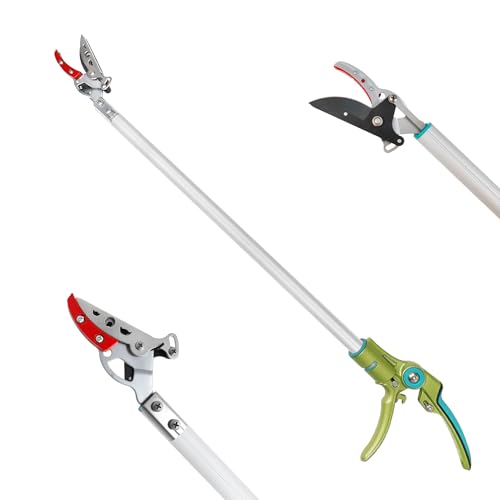
[REACH HIGH & STAY SAFE](No Ladder Required) Say goodbye to wobbly ladders! This 32inch long reach pole pruner offers an extra 30 inches of safe reach, allowing you to prune high branches or tall fruit trees while standing firmly on the ground. It’s the perfect extension tool for maintaining your backyard without the risk of falling.

Durable & Long-Lasting: Crafted from high-quality materials, these fruit tree branch pullers to withstand the rigors of outdoor use season after season. Resistant to rust, weathering, and wear, they provide consistent performance, becoming your go-to tools for maintaining your orchard year after year.

[Cut & Hold Pole Pruner for Tree Trimming] This long reach cut and hold pruner makes it easy to grip and remove branches, flowers, or fruit without dropping them. Perfect as a pole fruit picker for harvesting lemons, oranges, apples, or persimmons, and for trimming shrubs and bushes without climbing a ladder.
Improved Tree Health
Pruning removes dead, diseased, or damaged branches. This action promotes better air circulation and sunlight exposure, reducing the chances of fungal infections and pest infestations. For example, if you prune any branches showing signs of disease, you enhance the overall vitality of your trees. Additionally, pruning encourages the growth of strong new branches, leading to a healthier structure.
Enhanced Fruit Production
Pruning in the fall can stimulate fruit production in the upcoming season. By eliminating unnecessary branches, you direct the tree’s energy toward the healthy ones. For instance, apple trees often produce larger, tastier fruit when properly pruned. When you prune strategically, you support a higher yield and improve fruit quality.
Drawbacks of Pruning in the Fall
Pruning fruit trees in the fall has several drawbacks. Consider these factors before deciding to prune during this time.
Recommended Products
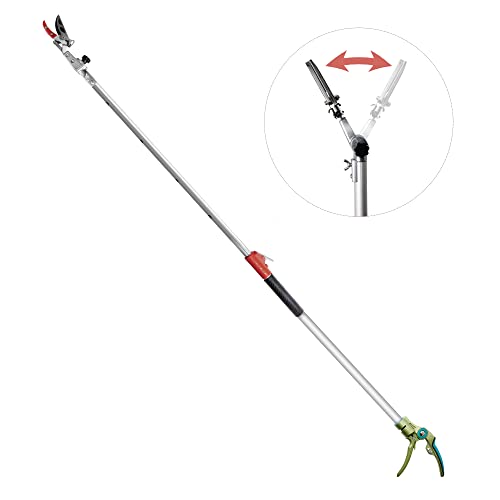
[Helpful Garden Tool] GARTOL brings to you a lightweight and extendable pruning tool to reach out to the least approachable arenas of your garden. You can conveniently get across other plants to remove the fastgrowing brambles and sting nettles without getting scratched or hurt. For gardening lovers, the telescopic pruner cutter head can can be rotated which resolves mobility issues and gives you the pleasure of trimming your garden without bending down or using a ladder to climb and cut them.

SUPER LIGHTWEIGHT CUT AND HOLD PRUNERS SET: Our Long Reach Pruner weighs 0.79lbs, appropriate length 32 inch is suitable for relaxed cutting. When you deal with twiggy young tree branches, leaves, fruit spur or fence, one hand is enough. There has a minor hand pruner in this set can solve your lower pruning, a bonus garden glove can protect your hand.

1:EXTENDABLE REACH FOR LADDER-FREE SAFETY – Acting as both a reliable tree pruner and a fruit picker pole, this tool effortlessly extends from 3.28 to 5.25 FT to reach high branches up to 10 FT from the ground. The innovative rotating and locking head allows for precise angles without unstable ladders or risky stretching, ensuring maximum safety.
Risk of Winter Damage
Pruning in the fall can expose trees to winter damage. When you prune, new growth may emerge, which won’t survive the cold. This new, tender growth is sensitive to frost. Signs of winter damage include brown, shriveled buds or blackened branch tips. Choosing to prune too late in the season can make trees vulnerable to severe temperatures. Aim to prune at least six weeks before the first expected frost to minimize risks.
Potential for Disease Spread
Fall pruning presents an opportunity for disease spread. Cuts made during pruning can introduce pathogens to trees, especially if tools aren’t sanitized properly. If trees already show signs of disease, unnecessary pruning can worsen the situation. To protect your trees, clean pruning tools with a solution of 10% bleach or isopropyl alcohol before and after each use. This practice decreases the likelihood of transferring diseases between branches and trees.
Best Practices for Pruning Fruit Trees
Pruning fruit trees requires careful consideration and planning. Follow these best practices to ensure your trees thrive after pruning.
Timing and Technique
Timing plays a crucial role in the success of your pruning efforts. Aim to prune your fruit trees at least six weeks before the first expected frost. This timeframe allows trees to harden off and minimize the risk of frost damage to new growth.
Focus on specific techniques to maximize health and productivity. Remove dead, diseased, or damaged branches first. This step reduces disease risk and encourages healthier growth. Check for crossing branches that can rub against each other, creating wounds. Use clean cuts at a slight angle to enhance healing and prevent water accumulation, which can lead to rot.
Pay attention to the structure of each tree. Aim for an open canopy to increase light and air circulation, which helps prevent fungal issues. If you’re pruning young trees, shape them to encourage strong central leaders and well-spaced lateral branches. For mature trees, focus on maintaining their shape while removing older, less productive wood.
Tools and Safety Measures
Using the right tools ensures efficient and clean cuts. Invest in high-quality, sharp pruning shears, loppers, and saws. Keep your tools in good condition, as sharp blades make cleaner cuts, reducing tree stress.
Practice safety measures while pruning. Wear gloves to protect your hands and goggles to shield your eyes from debris. If you’re using a ladder, ensure it’s stable and on level ground. Avoid working alone, especially when pruning large trees or using power tools.
Before starting, sanitize your tools with a 10% bleach solution or isopropyl alcohol. This step helps prevent disease transmission between trees. After pruning, clean your tools again to maintain their condition and protect your other plants.
Following these best practices allows you to prune effectively while maintaining the health and productivity of your fruit trees.
Conclusion
Pruning your fruit trees in the fall can be a bit of a balancing act. While it offers benefits like improved health and better airflow, you need to be cautious about the timing and the type of tree you’re working with. Remember to assess your trees’ health and make sure you’re pruning well before the frost sets in.
By following the best practices outlined, you can enjoy a thriving orchard come spring. Just keep an eye on those sensitive varieties and always prioritize your trees’ overall well-being. Happy pruning and here’s to a fruitful harvest ahead!
Frequently Asked Questions
Is it safe to prune fruit trees in the fall?
Pruning fruit trees in the fall can be risky. While it can help remove dead or diseased branches, it may also stimulate new growth that won’t survive winter temperatures. It’s often best to wait until late winter or early spring when trees are dormant.
What are the benefits of fall pruning?
Fall pruning can improve tree health by removing damaged or diseased branches, promoting better air circulation and sunlight exposure. This can lead to enhanced fruit production in the following growing season.
Which fruit trees tolerate fall pruning?
Fruit trees like apple and pear tend to tolerate fall pruning better than more sensitive varieties such as peach or cherry. Careful timing and assessment of tree health are essential for any fruit tree.
How long before frost should I prune my trees?
It’s recommended to prune at least six weeks before the first expected frost. This allows time for the tree to harden off and prepares it for winter conditions.
What tools do I need for pruning fruit trees?
Essential tools for pruning include sharp pruning shears, loppers, and a saw for thicker branches. Always ensure your tools are clean and sanitized to prevent introducing diseases.
What safety precautions should I take while pruning?
When pruning, wear protective gear such as gloves and safety glasses. Ensure you have a stable footing when using ladders and sanitize tools before and after use to avoid spreading diseases.
