

If you want to pollinate a plum tree, you will need to do it by hand. This is because the plum tree produces flowers that do not have nectar or pollen. You will need to use a brush to transfer pollen from the male flower to the female flower.
Using a small brush or your finger, transfer pollen from the male stamen to the female pistil of the flower.
Recommended Products

Precise Manual Pollination: This vegetable pollinator tool provides controlled hand pollination that enhances fruit and vegetable pollination efficiency, helping to increase crop yields by reliance on unpredictable natural pollinators
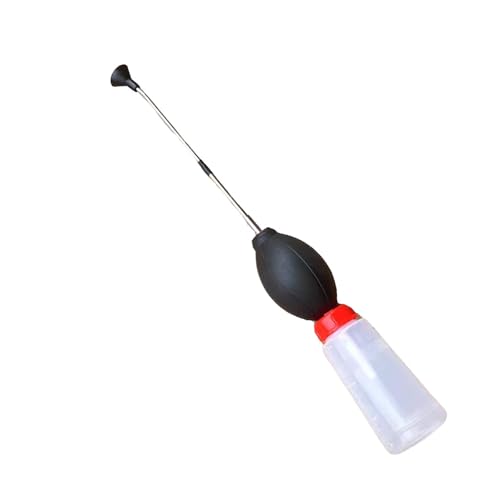
Premium Hand Pollination Tool for Fruit Trees – Made from durable PP material, this manual pollinator for kiwifruit, plums, peaches, and apples ensures scratch-free operation with its smooth surface. Sturdy construction guarantees long-term use in orchards or greenhouses.
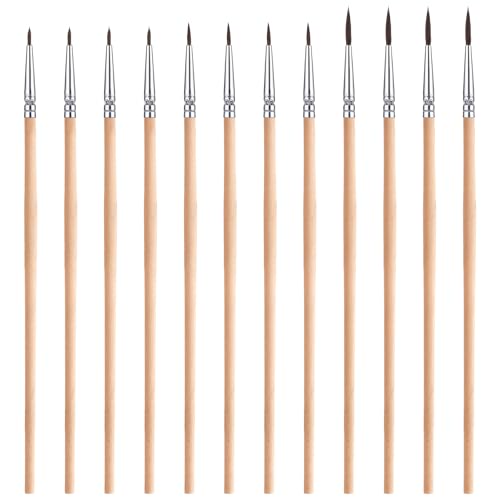
Efficient Pollination: You will receive 12pcs pollination brushes in three different sizes, designed to improve the pollination efficiency of indoor hydroponic plants and greenhouse gardens, and you can choose the right brush to solve the problem of low fruit
Do I need 2 plum trees to produce fruit?
Most plum trees are not self-pollinating, so you will need to plant at least two plum trees to bear fruit. When planting a plum tree, it is important to make sure that the variety you choose will grow well in your climate.
The Prunus domestica, or plum, is a close relative of the gage, damson, mirabelle, and bullace trees. These trees share many similarities, including the ability to pollinate one another when they are in bloom at the same time. This process is essential for the continued health and vitality of these trees, and helps to ensure that new generations of these trees will be able to thrive.
Do plums need to be pollinated
There are two types of plums, self-fertile and cross-pollinated. Self-fertile plums will produce fruit without being pollinated by another variety. Cross-pollinated plums require another plum variety to be pollinated in order to produce fruit reliably.
If you want to grow plums, it’s important to know that some varieties are partially self-fertile. This means that they can pollinate themselves, but planting two or more varieties will ensure that the trees consistently bear fruit. Fruit trees that require cross pollination by another variety are self-unfruitful.
Can you plant just one plum tree?
If you only have space for one plum tree, go with a European plum. They are generally self-fertile, but Japanese and American hybrid plums usually need to cross-pollinate with a second variety for cross-pollination. Even self-fertile trees will produce better if cross-pollinated with a second tree.
In order for a fruit tree to produce fruit, the tree must be pollinated by another tree of the same species. For example, apples only pollinate other apples, pears only pollinate other pears, and plums only pollinate other plums. It is best to plant a completely different variety of tree, but still in the same fruiting species, in order to ensure pollination and a good crop.
Recommended Products


Product Quantity: 150+ wild organic plum seeds per packet; Ideal for starting a small orchard or food forest; Generous supply ensures successful germination

For sale are 2 Chickasaw Plum plants that are approximately 6-12" tall
What causes a plum tree not to bear fruit?
Many plum trees are self-incompatible; that is, they require cross-pollination from a different variety of plum tree before they will set fruit. Even the plum varieties considered self fertile tend to produce more fruit when they are cross-pollinated. This is because cross-pollination leads to greater genetic diversity in the offspring, which in turn leads to higher fitness and greater reproductive success.
Plum trees require cross-pollination in order to produce fruit. This means that you will need to plant two or more compatible varieties of plum trees in order to get fruit. The trees will usually begin bearing fruit four to six years after they are planted.
How long does it take for plum tree to bear fruit
Most plum trees will require 3 to 6 years to mature before they are able to bear fruit. There is a possibility that dwarf plum trees may be able to produce their fruit one year earlier than standard plum trees.
A dioecious tree is a tree that only has male or female parts, not both. If a tree is male and contains flowers, then it has male flowers and produces pollen. Meanwhile, if a tree is female and contains flowers, then it has female flowers and produces fruit.
Which plum trees are self-pollinating?
Many plum and prune varieties are self-pollinating, meaning they do not require another variety of the same fruit in order to produce fertile offspring. However, Japanese and European plums will not cross-pollinate with one another. Plumcots and Pluots, on the other hand, can be pollinated with Japanese plums.
Pollination is a key process in the reproduction of many plant species, as it allows for the transfer of pollen from the male to the female flowers. This process triggers fruit production, and without it, many plants would be unable to produce the fruits and vegetables that we rely on for food. However, pollination is not always 100% efficient, and sometimes the female flowers are not completely pollinated. When this happens, the plant will abort the fruit and channel energy into other fruit production. This can be a problem for farmers and gardeners, as it can reduce the overall yield of the crop. There are a number of ways to prevent this from happening, including using pesticides to kill the pests that are responsible for causing incomplete pollination, and by providing more resources (such as food and water) to the pollinating insects.
How close do plums have to be to pollinate
If we want to improve our fruit yields, we should pay attention to the pollination of our trees. Having a suitable pollination partner nearby (within 150m) will increase our yields and often the size of each piece of fruit. This means a bigger and better harvest for our efforts.
There are a few things to keep in mind when planting trees for optimal pollination. First, make sure to plant two compatible-pollen varieties within 100 feet of one another. Pollination will still occur if trees are planted closer together, but for ideal pollination, up to 100 foot distance between trees is good to aim for. Second, keep an eye on the weather. Pollination is more likely to occur when the weather is warm anddry. third, make sure the trees you plant are healthy and well-cared for. Healthy trees are more likely to produce high-quality fruit.
Can a peach tree pollinate a plum tree?
Cross-pollination is when pollen from one plant fertilizes the ovules of another plant. Fruits do not cross-pollinate outside of their own species because their pollen is not compatible with other species. For example, stone fruits (peaches, plums, apples and apricots) do not pollinate one another.
If you have fruit pits leftover from your latest culinary creation, don’t throw them away! There are actually several ways you can repurpose them to create new and interesting products.
For example, you can fortify your garden’s soil with nutrients using fruit pits. Or, you can enhance the flavor of your meals with stone fruit pit vinegar. You can even make tasty stone fruit syrup using plum pits!
So, next time you have some fruit pits on your hands, don’t toss them in the trash. Instead, put them to good use with one of these five methods.
Do plum tree roots grow down or out
Plum trees have some roots that extend 5 feet deep, which helps to stabilize the tree. The roots also extend horizontally to the edge of the leaf canopy or drip line, and beyond up to 1 1/2 times the height of the tree. This helps the tree to anchor itself and absorb nutrients and moisture from the surrounding soil.
Plums are a tasty and versatile fruit, but they can be susceptible to several diseases and pests. Bacterial canker, honey fungus, blossom wilt, brown rot, silver leaf, plum rust and pocket plum are all potential problems. Insect pests such as aphids, winter moth caterpillar and the fruit fly – spotted wing drosophila (SWD) can also cause damage. To avoid these issues, it is important to choose healthy plants and to care for them properly.
Can you get self-pollinating plum trees
If you’re looking for a fruit tree that doesn’t require another tree for pollination, ‘Victoria’ plums and ‘Stella’ cherries are both great options. These self-fertile fruit trees will produce fruit even if they’re pollinated by insects from their own flowers. This is perfect for small gardens where only one tree is needed.
The plum-cherry hybrids are also known as plerry or cherum. These commercial plum-cherry hybrids include ‘Nadia’, CherriYum!, Verry Cherry Plum (cherum hybrids, including ‘Sweet Pixie’, ‘Sweet Pixie 5’, etc) and Pluerry (complex plerry hybrids).
What are the companion plants for plum trees
Companion plants are those that are beneficial to each other when planted together. They can provide nutrients, improve soil quality, etc. On the other hand, some plants can be considered “bad” companions because they compete for resources, attract pests, or otherwise negatively impact the other plant.
Watering your plum tree is important to ensure its healthy growth and production. Be sure to soak the entire root system deeply, once every two to four weeks. This ensures that the soil is saturated down to the root line, but also has time to dry out a bit. For best growth and production, plum trees should receive at least one inch of water a week.
What is the best fertilizer for plum trees
10-10-10 fertilizer can be used to supplement mature plum trees, but it is always best to test the soil composition before adding fertilizer of any kind. This fertilizer blend contains equal parts nitrogen, phosphorus, and potassium, which makes it an ideal all-purpose fertilizer.
If you have some fruit trees, a boost in magnesium will do them a world of good! Epsom Salt is used on fruit trees or vegetables to help them yield larger, sweeter, and more fruits. It works great also for nut trees and fruit shrubs.
Warp Up
You can pollinate a plum tree by hand using a small paintbrush. First, find a pollen-covered male blossom and brush the pollen onto the stigma of a female blossom. Make sure to do this during the tree’s blooming period.
While there are many ways to pollinate a plum tree, the most common method is to use a brush. This is because a brush can reach the nectar of the flowers more easily than other methods.
