
Close Menu
    Fruit Tree Hub
    • Home
    • Apple Trees
    • Lemon Trees
    • Mango Trees
    • Orange Trees
    • More Trees
      • Best Fruit Trees
      • Apricot Trees
      • Cherry Trees
      • Fig Trees
      • Lime Trees
      • Mulberry Trees
      • Peach Trees
      • Pear Trees
      • Plum Trees
      • Pomegranate Trees
    • Tips and Advice
      • Tools
    • About Us
      • Contact
      • Privacy Policy
    Fruit Tree Hub
    Home»Climbing Fruit»Raspberry»Ultimate Guide: How to Store Blueberries and Raspberries for Freshness and Flavor
    Raspberry

    Ultimate Guide: How to Store Blueberries and Raspberries for Freshness and Flavor

    Lucy SmithBy Lucy SmithSeptember 4, 20247 Mins Read
    Share Facebook Twitter Pinterest WhatsApp Email
    Share
    Facebook Twitter LinkedIn Pinterest Telegram Email

    Have you ever brought home a fresh batch of blueberries and raspberries, only to find them spoiled before you could enjoy them all? Picture this: You buy these vibrant, juicy berries with the intention of savoring their sweetness, but they end up mushy and moldy in just a few days. Fret not, as we’ve got you covered with simple yet effective tips on how to store your blueberries and raspberries to keep them plump and flavorful for longer.

    Contents show
    1 Key Takeaways
    2 Understanding Berries: Blueberries and Raspberries
    2.1 The Nature of Blueberries
    2.2 The Nature of Raspberries
    3 Optimal Conditions for Storing Berries
    3.1 Temperature and Humidity
    3.2 Light and Airflow
    4 Practical Storage Techniques
    4.1 Short-Term Storage Solutions
    4.2 Long-Term Storage Solutions
    5 Common Mistakes in Berry Storage
    5.1 Neglecting Proper Ventilation
    5.2 Exposing Berries to Direct Sunlight
    5.3 Washing Berries Before Storage
    5.4 Storing Wet Berries
    5.5 Mixing Different Types of Berries Together
    6 Conclusion
    7 Frequently Asked Questions
    7.1 What are the key factors to consider for storing blueberries and raspberries properly?
    7.2 How should I store blueberries and raspberries for short-term use?
    7.3 What is the recommended method for long-term storage of blueberries and raspberries?
    7.4 What are some common mistakes to avoid when storing berries?

    In this article, we’ll share practical advice on extending the shelf life of your berries so that you can relish them at their peak freshness. By learning the proper storage techniques, you’ll no longer have to deal with wasted or spoiled fruit. Stay tuned to discover easy methods that will help you preserve the deliciousness of your blueberries and raspberries for days to come.

    Key Takeaways

    • Understand the distinct characteristics of blueberries and raspberries to store them correctly for longer freshness.
    • Maintain optimal storage conditions by refrigerating berries at 32-34°F with humidity levels between 90-95%.
    • Employ practical short-term storage techniques like using paper towels in a shallow container and avoiding washing until consumption.
    • Consider long-term storage options such as freezing berries in a single layer before transferring to freezer-safe containers.
    • Avoid common mistakes like neglecting ventilation, exposing berries to sunlight, washing before storage, storing wet berries, and mixing different types of berries together for prolonged shelf life.
    MUST READ
    How Often Do You Water Raspberries for Optimal Growth and Fruit Production

    Understanding Berries: Blueberries and Raspberries

    Blueberries and raspberries are delicate fruits that require proper handling to maintain their freshness. By understanding the nature of blueberries and raspberries, you can ensure they stay flavorful for longer periods.

    The Nature of Blueberries

    Blueberries are known for their small size and deep blue color. They are packed with antioxidants, making them a superfood that offers numerous health benefits. Blueberries have a sweet yet slightly acidic taste, perfect for snacking, baking, or adding to salads.

    The Nature of Raspberries

    Raspberries are vibrant red berries with a unique hollow core. They are rich in fiber and vitamin C, contributing to a healthy diet. Raspberries have a tart flavor profile that adds brightness to dishes like desserts, breakfast bowls, or even savory recipes.

    Understanding the distinct characteristics of blueberries and raspberries is essential for storing them correctly to preserve their quality and taste.

    Optimal Conditions for Storing Berries

    When it comes to storing berries like blueberries and raspberries, understanding the optimal conditions is key to keeping them fresh for longer periods. Here’s what you need to know:

    Recommended Products

    35 PACK - Plastic Berry Basket/Produce Containers - Pint Size for Blueberries, Raspberries, Strawberries
    35 PACK - Plastic Berry Basket/Produce Containers - Pint Size for Blueberries, Raspberries, Strawberries

    Set of 35 Pint sized, clamshell containers are perfect for keeping your fruit and vegetables secure in the refrigerator.

    VIEW LATEST PRICE

    As an affiliate, we earn on qualifying purchases.

    PrepSolutions Berry Keeper, Red – Freshness-Enhancing Storage for Berries and Small Fruits
    PrepSolutions Berry Keeper, Red – Freshness-Enhancing Storage for Berries and Small Fruits

    Contains (1) Prepworks by Progressive Berry Keeper, Red. 3.88in tall, 7.13in wide. Holds 1 pint.

    VIEW LATEST PRICE
    MUST READ
    Washing Raspberries with Salt: Extend Shelf Life and Remove Contaminants

    As an affiliate, we earn on qualifying purchases.

    GBACHOOSE 100PCS Berry Containers with Lids, Clear Plastic Vented Berry Containers for Blueberries, Raspberries, Blackberries, Tomatoes or Herbs
    GBACHOOSE 100PCS Berry Containers with Lids, Clear Plastic Vented Berry Containers for Blueberries, Raspberries, Blackberries, Tomatoes or Herbs

    High Quality Material - Strawberry container is made of transparent plastic, allowing you to easily see the contents inside.

    VIEW LATEST PRICE

    As an affiliate, we earn on qualifying purchases.

    Temperature and Humidity

    Store your berries in the refrigerator at around 32-34°F (0-1°C) to maintain their freshness. Ensure the humidity levels are kept between 90-95% as berries thrive in slightly humid environments. Too much moisture can lead to mold growth, so be cautious not to make the environment too damp.

    Light and Airflow

    Keep your berries away from direct sunlight as it can speed up the ripening process and cause them to spoil quickly. Instead, store them in a well-ventilated area with good airflow. Avoid sealing them in airtight containers as this can trap moisture and lead to deterioration.

    By following these simple guidelines on temperature, humidity, light exposure, and airflow, you can ensure that your blueberries and raspberries stay fresh and delicious for longer durations.

    Practical Storage Techniques

    When it comes to keeping your blueberries and raspberries fresh for longer, employing proper storage techniques is key. Here are some practical solutions for both short-term and long-term storage:

    Short-Term Storage Solutions

    For short-term storage of blueberries and raspberries, follow these simple steps to maintain their freshness:

    1. Refrigeration: Place the berries in a shallow container lined with paper towels to absorb any excess moisture.
    2. Temperature: Keep them in the refrigerator at a temperature range of 32-34°F (0-1°C) to slow down ripening.
    3. Humidity: Maintain humidity levels between 90-95% by covering the container with a perforated plastic bag.
    4. Avoid Washing: Only wash the berries right before consuming them to prevent premature spoiling.
    MUST READ
    How to Care for Raspberry Bushes: A Complete Guide to Growing, Maintaining, and Harvesting

    These practices will help extend the shelf life of your berries for up to one week.

    Long-Term Storage Solutions

    If you want to store blueberries and raspberries for a longer duration, consider these strategies:

    1. Freezing Method: Spread the berries in a single layer on a baking sheet and freeze them until solid before transferring them into freezer-safe bags or containers.
    2. Labeling: Don’t forget to label the containers with the freezing date for easy tracking.
    3. Usage Tips: Frozen berries are ideal for smoothies, baked goods, or jams but might not retain their original texture when thawed.

    By following these long-term storage tips, you can enjoy your blueberries and raspberries even after several months without compromising their taste or quality.

    Common Mistakes in Berry Storage

    When storing blueberries and raspberries, it’s crucial to avoid common mistakes that can lead to premature spoilage or loss of flavor. Here are some pitfalls to steer clear of:

    Recommended Products

    5 PCS Large Fruit Containers for Fridge - Leakproof Food Storage Containers with Removable Colander - Dishwasher & microwave safe Produce Containers Keep Fruits, Vegetables, Berry, Meat Fresh longer
    5 PCS Large Fruit Containers for Fridge - Leakproof Food Storage Containers with Removable Colander - Dishwasher & microwave safe Produce Containers Keep Fruits, Vegetables, Berry, Meat Fresh longer

    5 packs : You will get 5 fridge storage containers with colander size from 300 ml to 4200 ml [10 oz - 148 oz ]. Suited for Most fruits, vegetables, berries, meats.
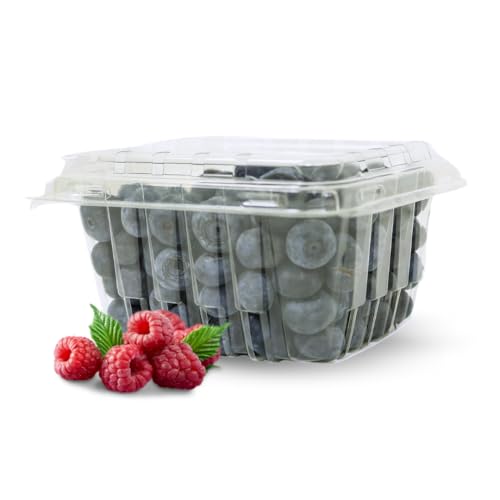
    VIEW LATEST PRICE

    As an affiliate, we earn on qualifying purchases.

    CUISITOOL Berry Basket, 3-in-1 Berry Keeper Box, 1 Quart Vented Plastic Berry Containers for Fridge, Fruit Colander for Strawberry Blueberry Raspberry, Reusable for Farmer Market Grocery
    CUISITOOL Berry Basket, 3-in-1 Berry Keeper Box, 1 Quart Vented Plastic Berry Containers for Fridge, Fruit Colander for Strawberry Blueberry Raspberry, Reusable for Farmer Market Grocery

    【Replaces Disposable Baskets】 This stackable berry basket replaces grocery store disposable baskets with a functional, green-friendly, and economical way to store and serve fresh berries to your friends and family.

    MUST READ
    How to Grow Raspberries in Texas: Essential Tips for Successful Harvest
    VIEW LATEST PRICE

    As an affiliate, we earn on qualifying purchases.

    Freshmage Fruit Storage Containers for Fridge with Removable Colander, Airtight Food Storage Container, Dishwasher Safe Produce Saver for Refrigerator, Keep Berry Fruit Fresh Longer 4 pcs Small Clear
    Freshmage Fruit Storage Containers for Fridge with Removable Colander, Airtight Food Storage Container, Dishwasher Safe Produce Saver for Refrigerator, Keep Berry Fruit Fresh Longer 4 pcs Small Clear

    Better for different produce : You will get 4 sized fridge organizers and 4 matched colanders that could be used in the container or separate. Size from 0.32 L to 2.7 L [ 0.34 - 2.85 qt ]. Suited for berries, fruits, vegetables, meats

    VIEW LATEST PRICE

    As an affiliate, we earn on qualifying purchases.

    Neglecting Proper Ventilation

    Storing berries in airtight containers without adequate ventilation can trap moisture, leading to mold growth and accelerated decay. Ensure your storage containers have proper ventilation holes or use breathable produce bags to maintain optimal airflow around the berries.

    Exposing Berries to Direct Sunlight

    Direct sunlight can cause berries to overripen quickly and lose their vibrant color and nutrients. Store your blueberries and raspberries in a cool, dark place away from direct sunlight to preserve their freshness and flavor for longer periods.

    Washing Berries Before Storage

    While it may seem convenient to wash berries before storing them, excess moisture from washing can promote mold growth and hasten spoilage. Only wash your berries just before consumption to extend their shelf life and prevent them from becoming mushy.

    Storing Wet Berries

    Moisture is the enemy of fresh berries as it promotes bacterial growth and accelerates decay. Always ensure that your blueberries and raspberries are completely dry before storing them in the refrigerator or freezer. Use paper towels to gently pat them dry if necessary.

    Mixing Different Types of Berries Together

    Each type of berry has its own unique ripening process and ethylene production rate, which can affect the shelf life of other fruits nearby. Avoid mixing different types of berries together during storage to prevent cross-contamination and maintain each variety’s individual freshness.

    MUST READ
    Should You Wash Raspberries? | Essential Guide to Cleaning and Storing for Freshness

    By avoiding these common mistakes in berry storage, you can prolong the shelf life of your blueberries and raspberries while preserving their delicious taste and nutritional benefits.

    Conclusion

    You’ve learned the key strategies for storing blueberries and raspberries to maintain their freshness and nutritional value. By following proper storage techniques, such as refrigerating with high humidity for short-term storage or freezing in a single layer for long-term preservation, you can enjoy these berries for longer periods. Remember to avoid common mistakes like inadequate ventilation, exposure to sunlight, washing before storage, storing wet berries, or mixing different types together. By sidestepping these errors, you’ll ensure that your blueberries and raspberries stay delicious and nutritious. Keep these tips in mind next time you stock up on these vibrant fruits!

    Frequently Asked Questions

    What are the key factors to consider for storing blueberries and raspberries properly?

    Proper storage involves maintaining temperature between 32-34°F, high humidity levels, limited light exposure, and adequate airflow.

    How should I store blueberries and raspberries for short-term use?

    Refrigerate them in a container with high humidity or cover them with a damp paper towel to retain freshness.

    What is the recommended method for long-term storage of blueberries and raspberries?

    Freeze them in a single layer on a baking sheet before transferring to an airtight container or freezer bag.

    What are some common mistakes to avoid when storing berries?

    Avoid neglecting ventilation, exposing berries to sunlight, washing before storage, storing wet berries, and mixing different berry types together.

    Share. Facebook Twitter Pinterest LinkedIn Tumblr Email
    lucy smith
    Lucy Smith
    • Website

    Lucy Smith is a highly experienced horticulturist with a passion for fruit tree cultivation. She holds a degree in Horticulture from the University of California, Davis, and has worked in various roles in the industry. With over 10 years of experience, Lucy is dedicated to using eco-friendly methods for sustainable gardening practices.

    Related Posts

    Discovering Raspberry Growth Maps: Unveiling Ideal Cultivation Regions Worldwide

    September 7, 2024

    Companion Planting Blackberries and Raspberries: Tips for Successful Growth

    September 7, 2024

    When to Transplant Black Raspberries for Healthy Growth and Fruit Production

    September 7, 2024

    How to Grow Raspberries in Ohio: A Complete Guide for Successful Harvests

    September 7, 2024

    What Type of Soil Do Raspberries Need? Tips for Healthy Growth and Bountiful Harvests

    September 7, 2024

    Companion Planting Strawberries, Blueberries, and Raspberries: Tips for a Thriving Berry Garden

    September 7, 2024
    Leave A Reply Cancel Reply

    Affiliate Disclosure

    As an Amazon Associate I earn from qualifying purchases.

    Recommended Reading

    Do Tangerines Grow on Trees or Bushes? Understanding Cultivation and Harvesting Techniques for Thriving Tangerine Trees

    How to Find Out What Fruit Tree I Have: Your Guide to Identifying Trees in Your Yard

    How Often to Water Fruit Trees for Optimal Growth and Healthy Harvests

    Star Fruit Trees in a Pot in Montana (Indoor Success Strategies)

    Growing Mango Trees in Indiana (Midwestern Soil and Care Tips)

    Persimmon Trees in a Pot in San Antonio, TX: Water-Wise Potting

    The Best Soil Conditions for Tamarind Trees

    When Do Ginkgo Trees Produce Fruit and How to Care for Them

    Why Didn’t My Fruit Trees Bloom: Common Reasons and Solutions for a Vibrant Harvest

    When Do I Spray My Fruit Trees for Bugs to Maximize Healthy Harvests and Pest Control

    Fruit Tree Hub

    Fruit Tree Hub is a website dedicated to providing you everything you need to grow fruit trees successfully at in your own yard.

    Contact us at: [email protected]

    - AFFILIATE DISCLOSURE: As an Amazon Associate I earn from qualifying purchases.

    Latest Posts

    Growing Mulberry Trees in Kansas (Wind and Heat Resilience)

    Peach Trees in a Pot in Jacksonville, FL: Subtropical Potting

    Persimmon Trees in a Pot in Kansas: Protection from Wind and Heat

    Quince Trees in Georgia: Secrets to a Better Harvest

    Can Jujube Trees Grow in Louisville, KY? Regional Success

    Orange Trees in Chicago, IL (Urban Hardiness Zone Guide)

    Pear Trees in Jacksonville, FL: Subtropical Variety Selection

    Guava Trees in Buffalo, NY: Lake Effect Survival Guide

    Categories
    • Almond Trees
    • Apple Trees
    • Apricot Trees
    • Best Fruit Trees
    • Blackberry
    • Cantaloupe
    • Cherry Trees
    • Crochet Ideas
    • Crochet Ideas for Beginners
    • Cucamelon
    • Easy Crochet Ideas
    • Easy Knitting Projects
    • Fig Trees
    • Grapefruit Trees
    • Grapes
    • Guava Trees
    • Honeydew
    • Jujube Trees
    • Kiwi
    • Knitting For Beginners
    • Knitting Ideas
    • Knitting Inspiration
    • Lemon Trees
    • Lime Trees
    • Loquat Trees
    • Mango Trees
    • Mulberry Trees
    • Nectarine Trees
    • Olive Trees
    • Orange Trees
    • Papaya Trees
    • Peach Trees
    • Pear Trees
    • Persimmon Trees
    • Planting
    • Plum Trees
    • Pomegranate Trees
    • Quince Trees
    • Raspberry
    • Reviews
    • Small Crochet Ideas
    • Star Fruit Trees
    • Summer Crochet Ideas
    • Tamarind Trees
    • Tangerine Trees
    • Tips and Advice
    • Tools
    • Uncategorized
    • Walnut Trees
    © 2026 Fruit Tree Hub
    • Home
    • About Us
    • Contact
    • Privacy Policy
    • Terms and Conditions
    • Disclaimer
    • Editorial Policy
    • Affiliate Disclosure

    Type above and press Enter to search. Press Esc to cancel.