

Have you ever found yourself overwhelmed by the sheer number of mangoes your tree produces? While these juicy fruits are a delight, sometimes you just want a break from the harvest. Whether it’s to manage space or reduce maintenance, knowing how to stop your mango tree from bearing fruit can be a game changer.
Key Takeaways
- Understanding Tree Lifecycle: Mango trees go through various growth stages, from germination to maturity, influencing when they bear fruit.
- Key Factors Affecting Fruiting: The age of the tree, water availability, nutrient levels, sunlight exposure, and pruning practices all play significant roles in determining fruit production.
- Resource Management: Reducing fruit bearing helps manage resources effectively, allowing the tree to allocate more water and nutrients toward growth and health.
- Tree Health Maintenance: Less fruit production minimizes stress on the tree, enhancing its health and reducing the risk of diseases and pests.
- Effective Techniques: Utilize pruning, hormonal treatments, and environmental adjustments to control mango fruiting effectively.
- Timing is Crucial: Implement these techniques during the dormant phase or when initial flowering signs appear for optimal results in halting fruit production.
Understanding Mango Tree Fruit Production
Mango trees can produce abundant fruit, and stopping this process requires understanding their growth habits. Several factors influence mango fruit production, from environmental conditions to specific horticultural practices.
The Life Cycle of a Mango Tree
Mango trees undergo distinct growth stages throughout their life cycle. These stages include:
- Germination: Seeds sprout within a few weeks after planting.
- Seedling Stage: Young trees develop leaves and roots, taking 3-4 months.
- Juvenile Phase: Trees grow rapidly and often remain unproductive for 3-5 years.
- Mature Phase: Trees start bearing fruit, typically 3-6 years after planting.
- Declining Phase: Older trees may produce less fruit after 15-20 years.
Understanding these stages helps you recognize when fruit production occurs and the factors that might influence it.
Factors Influencing Fruit Bearing
Several factors affect mango tree fruiting, including:
- Age of the Tree: Younger trees yield fewer fruits. If you want to curb production, consider pruning immature trees.
- Water Availability: Insufficient or excessive water can reduce fruit yield. Keeping the soil consistently moist but not soggy can help prevent fruit bearing.
- Nutrient Levels: High nitrogen levels encourage leaf growth over fruiting. Adjust fertilization by using low-nitrogen fertilizers.
- Sunlight Exposure: Full sun supports fruit production. Limiting sunlight can reduce flowering and subsequent fruiting.
- Pruning Practices: Regular pruning helps manage size and shape. Reducing flower buds by pruning in the right season decreases fruit output.
By manipulating these factors, you can effectively control the fruiting of your mango tree.
Reasons to Prevent Fruit Bearing
Preventing your mango tree from bearing fruit can be significant for various reasons. Understanding these factors helps ensure your tree remains healthy and manageable.
Resource Management
Controlling fruit production impacts resource allocation. Mango trees use considerable water and nutrients to produce fruit. If you reduce or stop fruit bearing, your tree can redirect these resources into growth and overall health. Allocating water and fertilizers becomes more efficient, enhancing the development of leaves and branches. For example, if your tree produces fewer fruits, it requires less water during its growth stage, allowing you to conserve resources.
Tree Health and Maintenance
Management of tree health becomes easier when fruit production decreases. High fruit-bearing can lead to increased susceptibility to diseases and pests. By focusing on fewer fruits, you minimize stress on the tree’s structure. This approach fosters a stronger root system and reduces the chances of branch breakage. Regular maintenance practices, such as pruning, also become less demanding, letting you easily maintain the tree’s shape and vigor. You can focus on factors like pest control and disease prevention without the added difficulty of managing heavy fruit loads.
Techniques to Stop Mango Trees from Bearing Fruit
You can effectively manage mango tree fruit production through several techniques. Implementing these methods can help enhance the tree’s overall health and reduce the burden of heavy fruit loads.
Recommended Products
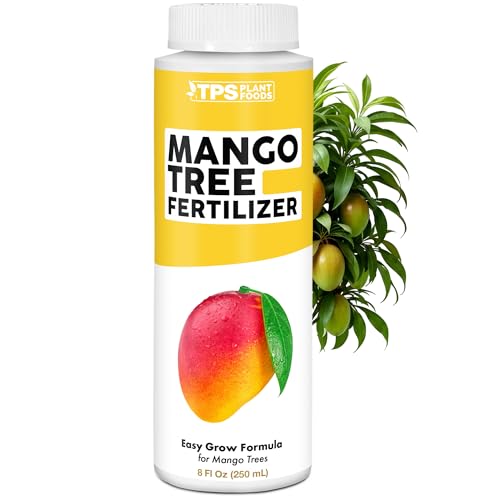
Made for Mango Trees – Formulated to support healthy growth in mango and tropical fruit trees.

2X MORE VALUE: The 16 oz of Mango Liquid Plant Fertilizer makes 16 gallons of liquid fertilizer, while the bigger size 32 oz bottle makes 32 gallons, ensuring long-lasting care for all mangoes.
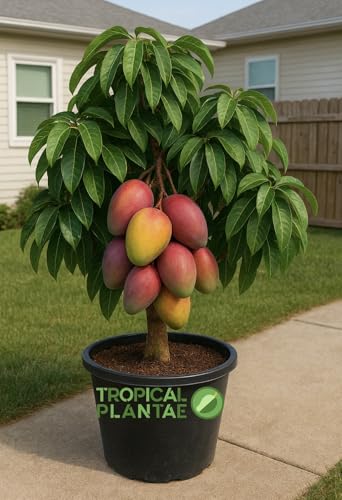
Imagine stepping into your backyard a few months from now and seeing a beautiful grafted Haden mango tree, growing stronger every day — a tree that will soon reward you with one of the most classic, flavorful mangoes ever grown.
Pruning Strategies
Pruning your mango tree plays a significant role in controlling fruit production. Focus on these pruning techniques:
- Remove Flowering Branches: Cut back branches that develop flowers, ideally before they reach full bloom. This prevents fruit set.
- Thin Crowns: Trim dense areas of the tree to improve air circulation. Healthy airflow reduces the likelihood of excessive fruit production.
- Timing: Perform pruning during the tree’s dormant period. This timing minimizes stress and encourages healthy growth.
Hormonal Treatments
Hormonal treatments offer another method to manage mango fruiting without significant effort. Consider these options:
- Gibberellic Acid: Apply this growth regulator to inhibit flowering. Follow the manufacturer’s guidelines for correct concentration and timing.
- Ethylene: Using this plant hormone can suppress flowering when applied during specific growth stages. Monitor your tree closely to avoid excess inhibition.
- Timing of Applications: Apply hormones just as buds begin to form to effectively control flowering. Adjust based on the tree’s growth phase.
Environmental Adjustments
Modifying the environmental conditions around your mango tree aids in controlling fruit production. Implement the following adjustments:
- Watering Regime: Decrease watering doses just before flowering begins. This stress can discourage the tree from bearing fruit.
- Fertilization: Avoid high-nitrogen fertilizers during the flowering period. This deficiency can inhibit flowering and shift energy to growth instead.
- Sunlight Exposure: If possible, position shading material over the tree during intense sunlight periods. Reduced light can slow down flowering processes.
By applying these techniques, you’re better equipped to manage your mango tree’s fruit production effectively.
When to Implement These Techniques
Knowing when to implement techniques for stopping mango trees from bearing fruit is crucial for success. Timing plays a significant role in fruit production control.
Recommended Products

KILLS LISTED FRUIT & CITRUS TREE INSECTS: Controls Asian Citrus Psyllid, Whiteflies, Aphids Thrips, Citrus Leafminers, Leafhoppers, Blackfly, Mealybugs, Scales, Avocado Lacebugs, Oriental Beetles, Flea Beetles, Sharpshooters, and Spittlebugs


1. Plenty of Space:Plenty of room for any type of fruits and vegetables, the 8x12 inch fruit netting bags are big enough for protecting many kind of fruits, vegetables, flower from pest, birds and don’t restrict their growth. The drawstring mesh fruit protectors with double pulls that do make them easier to install and remove versus the single pull type. And the pest barrier bags will stay secure without gap on the top once closed.
Timing Considerations
Select times based on your tree’s growth cycle. The most effective period for intervention is during the dormant phase, typically late winter to early spring. At this time, the tree’s energy focuses on growth rather than fruit production. For pruning, aim for a window just before new growth begins. If you apply hormonal treatments, do so when the tree shows initial signs of flowering, allowing for the best effectiveness in halting the process.
Seasonal Effects
Seasonality affects mango trees and their fruiting behavior. In regions with distinct wet and dry seasons, the tree’s growth may vary accordingly. Dry conditions often trigger fruiting, so consider adjusting your watering schedule during these periods to reduce moisture stress that encourages production. Additionally, if your area experiences intense heat, providing temporary shade can help lower fruit setting by reducing stress on the tree. Adjusting your approach based on these seasonal changes ensures better management of mango fruiting.
Conclusion
Taking control of your mango tree’s fruit production can be a rewarding journey. By understanding the tree’s growth habits and employing the right techniques you can ensure your tree thrives while reducing the burden of excess fruit.
Remember to focus on timing whether you’re pruning or applying hormonal treatments. Adjusting your care routine based on seasonal changes can also make a significant difference. With a little patience and attention you’ll not only manage fruit production but also promote the overall health of your mango tree. Enjoy the process and watch your tree flourish!
Frequently Asked Questions
What are the benefits of stopping a mango tree from producing fruit?
Reducing fruit production in a mango tree helps manage space, minimizes maintenance, and allows the tree to redirect water and nutrients toward growth. This leads to a healthier tree and a stronger root system, making it less susceptible to diseases and pests.
When is the best time to stop a mango tree from bearing fruit?
The best time to intervene is during the dormant phase, typically late winter to early spring. This is when the tree focuses on growth rather than fruit production, making it more receptive to pruning and hormonal treatments.
How can I reduce fruit production in my mango tree?
You can stop a mango tree from bearing fruit through several methods: pruning flowering branches, applying hormonal treatments like gibberellic acid, and adjusting environmental factors like watering and nutrient levels.
What role do watering and sunlight play in mango fruit production?
Water availability and sunlight exposure significantly influence a mango tree’s fruit-bearing capabilities. Adjusting watering schedules and providing temporary shade during extreme heat can help manage and reduce unwanted fruit production.
Can pruning affect the health of my mango tree?
Yes, proper pruning can improve mango tree health by enhancing air circulation and removing excess flowering branches. This reduces stress on the tree and allows it to focus on developing a strong structure and root system.
