

Are your fruit trees not producing like they used to? You’re not alone. Many gardeners struggle with knowing when and how to prune their trees for the best results. Pruning can seem daunting, but it’s one of the most effective ways to boost your tree’s health and fruit yield.
In this article, you’ll find practical tips and techniques to help you prune your fruit trees with confidence. Whether you’re a seasoned gardener or just starting out, you’ll learn how to shape your trees, remove dead wood, and encourage new growth. By the end, you’ll have the knowledge to keep your trees thriving and producing delicious fruit for years to come.
Key Takeaways
- Pruning is essential for maintaining fruit tree health and maximizing yield through better light and air circulation.
- Common pruning techniques include thinning, heading, cleaning, and training, each promoting different growth benefits.
- Utilizing the right tools, such as hand pruners and loppers, is crucial for effective and safe pruning practices.
- Timing your pruning is key; late winter or early spring is ideal when trees are dormant to minimize stress.
- Avoid over-pruning, which can lead to decreased fruit production; aim to remove only 20-30% of the tree’s structure.
- Regular pruning results in improved fruit quality and enhanced tree structure, promoting longevity and productivity.
Overview of Pruning Techniques
Pruning enhances fruit tree health and encourages a bountiful harvest. Understanding various techniques allows you to maintain your trees effectively.
Recommended Products

★ 1. What you get: Professional convenient grafting tool set including a dual-use grafting pruner tool contain 2 extra replaceable blades, a wrench and a screwdriver, along with 36pcs wide rubber bands, 150 thick rubber bands and 1 grafting tape, packed in a black wallet to meet all your needs

Pruning Trees Shrubs and Vines No 54 By Gardenway Editors

Effortless Tree Cutting Operation: Designed for smooth and easy cutting of fruit trees, allowing you to finish girdling work with less effort
Importance of Pruning
Pruning maintains shape and encourages growth, which leads to better fruit production. It removes dead or diseased branches, fostering air circulation and sunlight exposure. Regularly pruning also helps prevent pest infestations. For instance, a well-pruned apple tree can produce up to 25% more fruit than an unpruned counterpart.
Common Pruning Methods
Several methods exist to successfully prune fruit trees, including:
- Thinning: This technique involves removing entire branches to increase sunlight and air access. Thinned trees produce healthier and larger fruits.
- Heading: With heading, you cut back a branch to a bud, promoting bushier growth. This method is useful for shaping trees and encouraging side branching.
- Cleaning: Remove dead, damaged, or diseased wood first. Cleaning opens the tree’s structure and improves overall health.
- Training: Start this method early to shape young trees, directing growth towards desired forms. Techniques like espalier or central leader systems facilitate easier maintenance and fruit access.
Using the right techniques ensures your trees thrive and yield abundantly, optimizing your gardening efforts.
Tools and Equipment for Pruning
Using the right tools makes pruning fruit trees easier and more effective. You’ll need various equipment to ensure a clean and productive pruning session.
Essential Tools
- Hand Pruners: Use bypass or anvil pruners for cutting small branches. Bypass pruners create a clean cut, reducing damage.
- Loppers: Choose loppers for thicker branches. They provide extra leverage for cutting branches up to 2 inches thick.
- Pruning Saw: Opt for a pruning saw for larger branches. A curved or straight blade can suit different situations.
- Pole Pruner: Invest in a pole pruner for high branches. This tool extends your reach and cuts branches without a ladder.
- Bucket or Tarp: Use a bucket or tarp to collect fallen debris. This keeps your workspace tidy and makes cleanup easy.
- Gloves: Wear gloves to protect your hands. Choose ones that provide grip and flexibility for better handling.
- Wear Protective Gear: Use safety glasses to shield your eyes from falling debris. Sturdy shoes and long sleeves offer extra protection.
- Inspect Your Tools: Check your tools for sharpness and safety before starting. Dull blades can slip and cause injuries.
- Stay Balanced: Maintain a stable position, especially when using ladders or reaching high branches. Take your time while working to prevent falls.
- Work During Safe Conditions: Avoid pruning during wet or windy weather. Slippery conditions increase the risk of accidents.
- Have a First-Aid Kit Ready: Keep a first-aid kit close in case of minor injuries. Being prepared ensures you can handle small mishaps effectively.
Using appropriate tools and following safety precautions guarantees a successful pruning experience, enhancing the health and productivity of your fruit trees.
Step-by-Step Guide to Pruning
Pruning fruit trees involves careful planning and technique. Following these steps ensures healthier trees and better fruit production.
Recommended Products

· ULTRA-SHARP SK5 STAINLESS STEEL - Engineered with premium SK5 stainless steel, these heavy duty pruning shears deliver razor-sharp precision and maximum hardness. The rust-resistant blades are designed to stay sharp longer, effortlessly resisting corrosion and sap buildup for smooth, friction-free garden shears performance year after year.
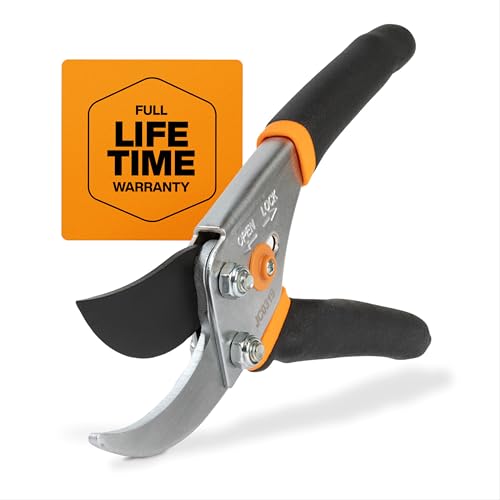
CLEAN CUTS FOR LIVE GROWTH: Bypass blade design is ideal for pruning delicate flower stems and green growth, helping reduce crushing and plant damage while cutting stems and small branches up to 5/8” in diameter

DUAL CUTTING POWER: VERSATILE PRUNING COMBO --- With both Pruning Shears and Pruning Snip, this combo delivers unmatched versatility. Whether you're delicately trimming flowers and shrubs, tackling thicker tree branches, or tending to your vegetable and fruit garden, our combo pack excels in all areas. They're also perfect for landscaping projects and maintaining the health and appearance of indoor plants. With this pack, you have a versatile tool that simplifies your gardening tasks.
Timing Your Prune
Pruning requires timing for maximum effectiveness. For most fruit trees, late winter or early spring works best, just before new growth begins. Consider the following:
- Dormancy: Prune when trees are dormant. This reduces stress on the trees.
- Type of Tree: Different trees may have specific times. For example, prune apple trees in late winter and peach trees in early spring.
- Weather Conditions: Choose dry days for pruning. Wet conditions can promote disease.
Pruning Different Types of Fruit Trees
Fruit trees vary in structure and growth habits. Adjust your pruning technique based on the type of tree. Here’s how to prune common types:
- Apple Trees: Focus on maintaining an open center to promote sunlight. Remove inward-growing branches and thin crowded areas.
- Peach Trees: Use a vase shape. Cut back one-year growth to encourage lateral shoots, which will bear fruit.
- Citrus Trees: Lightly thin branches to maintain air circulation. Avoid removing too much growth, as citrus trees thrive on dense foliage.
- Cherry Trees: Focus on removing deadwood and crossing branches to ensure good air flow. Cherry trees respond well to minimal pruning.
These tailored techniques enhance growth and fruit yield, making your efforts more productive.
Common Mistakes to Avoid
Understanding common pruning mistakes helps you maintain healthy and productive fruit trees. Avoid these pitfalls to ensure optimal growth and fruit yield.
Over-Pruning Issues
Over-pruning can harm your trees. Removing too many branches stresses the tree, leading to reduced fruit production. Limit pruning to 20-30% of the tree’s overall structure. Focus on dead, damaged, or crossing branches. Remember, the goal is to enhance light penetration and air circulation, not to strip the tree bare. If unsure, prune a little and observe the tree’s response before cutting more.
Ignoring Tree Health
Ignoring signs of poor tree health leads to bigger problems. Check for discoloration, wilting leaves, or unusual growth patterns. These issues indicate your tree may require more than just pruning. Fertilization, pest control, or disease management may be necessary. Always assess the overall health of your fruit tree before pruning. Making informed decisions based on its condition supports long-term vitality and fruit production.
Benefits of Proper Pruning
Proper pruning enhances the health and productivity of your fruit trees. Understanding its benefits leads to better practices and greater rewards.
Improved Fruit Quality
Improved fruit quality results from proper pruning techniques. Pruning opens up the canopy, allowing sunlight to penetrate the tree. Better sunlight exposure boosts photosynthesis, leading to sweeter, more flavorful fruits. Additionally, pruning improves air circulation which helps prevent diseases. Healthier trees produce uniformly sized fruit with vibrant colors. For instance, well-pruned apple trees yield crisp, juicy apples that are more appealing for consumption.
Enhanced Tree Structure
Enhanced tree structure is crucial for long-term health and fruit production. Pruning encourages strong branch development, leading to better support for heavy fruit loads. An open structure helps prevent limb breakage and reduces the risk of disease. Properly pruned trees maintain a balanced shape, making them easier to manage. For example, peach trees with strong, well-spaced branches can better bear the weight of their fruit. In addition, focused pruning minimizes crossed or rubbing branches, fostering a healthier growing environment.
Conclusion
Pruning your fruit trees isn’t just a chore; it’s a rewarding practice that can lead to bountiful harvests. By following the tips and techniques outlined, you’ll set your trees up for success. Remember to choose the right time to prune and use the proper tools to make the process smoother and safer.
As you nurture your trees, you’ll notice improvements in their health and fruit production. With a little patience and care, your efforts will pay off with sweeter fruits and a thriving garden. Enjoy the journey of pruning and watch your trees flourish year after year. Happy gardening!
Frequently Asked Questions
What is the importance of pruning fruit trees?
Pruning fruit trees is essential for maintaining their health and enhancing fruit production. Proper pruning encourages new growth, improves sunlight exposure, and promotes good air circulation, which leads to healthier trees and better fruit quality.
When is the best time to prune fruit trees?
The ideal time to prune most fruit trees is late winter or early spring while they are still dormant. Pruning during this period minimizes stress on the tree and promotes healthy growth as the new season begins.
What tools do I need for pruning fruit trees?
Essential tools for pruning fruit trees include hand pruners, loppers, pruning saws, and pole pruners. Additionally, a bucket or tarp for collecting debris and protective gear like gloves and goggles are recommended for safe and effective pruning.
What are common mistakes to avoid when pruning?
Common pruning mistakes include over-pruning, which can stress the tree and reduce fruit yield. It’s also crucial to focus on removing dead or damaged branches and limit pruning to 20-30% of the tree’s structure to prevent harm.
How does pruning benefit fruit quality?
Pruning improves fruit quality by allowing better sunlight exposure and air circulation. This leads to sweeter, more flavorful fruits as the tree can direct more energy to producing fewer, but higher-quality, fruits rather than a larger quantity of lower-quality ones.
