

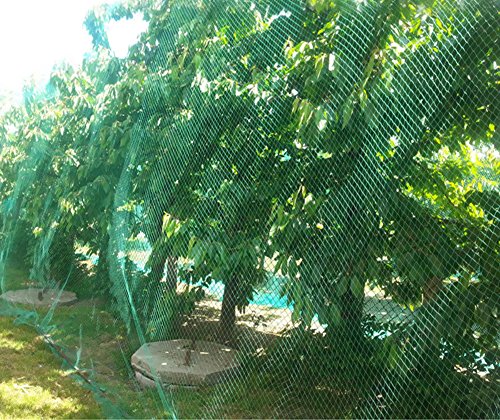
One of the best ways to protect plum trees from birds is to cover the tree with netting. The netting should be put on when the plums are first ripe and remain in place until the end of the harvest season. Another way to keep birds away from plum trees is to use scarers such as Mylar balloons or strips of foil. These can be hung from the branches of the tree and will move in the wind, making noise and flashes of light that will scare birds away.
To protect plum trees from birds, you can use a netting or physical barrier around the tree. You can also use visual or auditory deterrents, such as hanging shiny objects or playing recordings of bird distress calls.
Recommended Products

Size: Deer netting size 7 feet x 100 feet; garden netting mesh size 3/4"; color: black; Easy to use accessories included: 10pcs installation nails & 50pcs cable ties
Excellent Material & Quality: Our bird netting is made of strong and durable PE with high stretch, light-weight but not tear easily; It is anti-UV and tough enough to withstand the effects of the sun and bad weather conditions, so you can use the garden netting repeatedly until the end of the season; The size of the poultry netting mesh refers to the measured length straightened from the far left to the far right

Convenient Zipper and Drawstring Design---Our Fruit Tree Netting for Cicadas has a user - friendly, durable zipper. It makes accessing fruit trees & blueberry bushes easy during trimming, watering, or harvesting. No more struggling with complex closures or removing the whole net. This is especially useful for cicada protection. The attached drawstring enhances functionality, allowing you to secure the net tightly around plants. This combo ensures easy handling & a snug fit, even in windy conditions, making plant maintenance stress - free.
Do birds eat plum trees?
If you have plums trees in your garden, or a forest garden or orchard, you may already know that birds will eat the plums as soon as they are ripe. You can also leave out excess plums for them at a bird feeder or garden feeding station.
Birds can be a nuisance when they roost in trees and defecate on cars and buildings. Luckily, there are a few ways to keep them away. Animal decoys, netting, and shiny objects can all be used to deter birds from landing or nesting in trees.
Should I cover my plum tree
To protect your fruit tree blooms from frost or freeze damage, you can cover the tree to create a barrier between the cold air and the blooms. You can use a tarp, blanket, or even old sheets to drape over the tree. Be sure to secure the covering so that it doesn’t blow away in the wind.
A tree stakes and cover can protect your trees from freezing temperatures. Make sure the cover goes all the way to the ground and is secured so it doesn’t blow away. A cover will help hold heat around the tree and help prevent frost damage.
How do I get rid of birds in my fruit trees?
One of the easiest ways to stop birds from eating your unripe fruit is to place a statue of an owl or eagle in your garden. Another option is to cover the entire fruit tree with bird netting. You can also try using shiny objects, an ultrasonic bird repeller, or a scarecrow. If you want to attract birds to your garden, you can try feeding them. Finally, you can use a liquid bird repellent to keep them away.
The purpleleaf plum is a valuable asset to wildlife because it provides cover and habitat for many different species of animals. The fruit is also a source of food for many birds and small mammals. This makes the purpleleaf plum an important part of the ecosystem.
What is the most effective bird deterrent?
If you’re looking to keep birds away from your property, bird spikes and netting are both great options. Bird netting provides a physical barrier that will block the birds’ flight path, while still allowing you to see through it. Bird spikes are a great option for open areas, as they provide a small cross-section that the birds can’t land on.
If you have noticed birds in your yard, you can sprinkle baking soda to keep them away. They don’t like the feel of it under their toes. You can also make a chili pepper mixture by mixing 24 chili peppers (green or red) with half a gallon of water and a quarter cup of vinegar. Warm the mixture either in a crock pot or naturally outside in a container.
Is vinegar a bird deterrent
Birds can be attracted or repelled by different smells. Some birds are attracted to the smell of vinegar, while others are put off by it. Citrus oil also has a strong scent that bird’s tend to avoid.
Pruning plum trees is important to maintaining the health and vigor of the tree. Plum trees should be pruned every year in early spring, before bud break. Remove any suckers growing from the rootstock and rub out any buds growing on the lower trunk. Cut out any dead, damaged or diseased wood, and dispose of it as appropriate, removing it from the garden.
Can you cut the top off a plum tree?
Pruning is an important part of maintaining a fruit tree. Once your tree is established, you should prune off any branches that have not produced fruit in that year. This will help encourage fruiting in the future. You should also remove any dead wood from the tree and dispose of it. Trim all side shoots back to six leaves from their parent branch. Finally, keep the central stem no more than 3 feet tall. By following these simple tips, you can keep your fruit tree healthy and productive for many years to come.
It is generally best to avoid pruning plums in winter, as this can increase the risk of infection by silver leaf disease. The best time for pruning is usually spring for young trees and mid-summer for established ones.
Are coffee grounds good for plum trees
Coffee grounds can be beneficial for fruit trees as they contain nitrogen, phosphorus, magnesium and copper – all of which are essential nutrients for the plant. In addition, coffee grounds can help to raise the pH level of the soil, which is beneficial for the health of the tree. Most fruit trees require slightly acidic soil to thrive, so adding coffee grounds can help to create the ideal conditions for the plant to flourish.
The best time to spray plums for twig borers is when the fruit begins to develop and the husks are pulling back from the fruit. Espinosad, esfenvalerate, or permethrin are effective against twig borers. A mix of fungicide, malathion, and sulfur can be sprayed to control leaf curl, plum pocket, scab, and brown rot, and aphids.
What are common problems with plum trees?
There are many potential problems that can affect plums, including diseases such as bacterial canker, honey fungus, blossom wilt, brown rot, silver leaf, plum rust and pocket plum. Pest problems can include plum moth, aphids, winter moth caterpillar and the fruit fly – spotted wing drosophila (SWD). Growers need to be aware of these potential problems and take steps to prevent or control them.
Birds can be harassed with various methods such as pyrotechnics (screamers, bangers), propane cannons, hawk kites, reflective ribbon and scare balloons. Harassment is probably the most common method used to repel birds. Birds are intelligent and become habituated if these methods are not varied or moved frequently.
How do farmers protect fruit trees from birds
Netting protects small fruits and isolated trees from bird damage by creating a barrier between the birds and the plants. The netting should be installed so that it is tight against the plant and extends outwards in all directions, creating a “cage” around the plant. Be sure to choose a netting that is durable and will not tear easily, so that the birds cannot get through.
There are certain things you can do to try and deter squirrels from getting to your fruit trees. This can include using Ro-Pel, capsaicin, or hot pepper oil, and sticky topical applications for trunks and limbs. You can also try putting a simple metal collar 2 feet (05 m) wide around the trunk of the tree to prevent them from getting into the canopy.
What is eating my purple leaf plum tree
Purple plum tree leaves are often caused by diseases such as shot hole disease and bacterial spot. These diseases can cause the leaves to develop more purple coloration, which can be unsightly. Luckily, there are treatments available to help control these diseases and keep the leaves looking healthy.
While most fruit is safe and generally healthy for birds to consume in small quantities, certain fruits containing seeds (such as apples and pears) and pits (such as cherries, apricots, peaches, nectarines and plums), should not be offered to birds without removing the seeds and pits first, as these seeds and pits can be poisonous to birds.
How long do purple plum trees last
The purpleleaf plum is a beautiful tree, but unfortunately it doesn’t last very long; only around 20 years. It does require some maintenance though, so if you’re looking to add one to your home, be prepared to care for it.
Aluminum foil is a great way to keep birds away from your home or garden. The foil reflects the sunlight and bothers their eyes, deterring them from coming near. You can also hang strips of aluminum foil (or shiny party streamers) from the trees or other high points around your home and garden.
What do birds hate
There are a few things that birds seem to universally dislike. They don’t like strong smells, shiny objects, or predators. This can include both birds of prey and larger animals or humans. If you’re trying to attract birds to your yard, you’ll need to avoid using things that they don’t like. Instead, focus on what they do like, which includes food, water, and shelter.
There are a few things to keep in mind when using a fake owl as a bird deterrent:
1. Make sure the owl is big enough to deter the target bird. Smaller owls may actually attract smaller birds of prey.
2. Place the owl in a strategic location. If the owl is too close to the ground, larger birds may simply see it as prey.
3. Make sure the owl is well-made and realistic. A fake owl that looks like a cheap toy will not be effective.
4. Be prepared to move the owl around frequently. Birds will quickly figure out that it is not a real owl if it is always in the same spot.
Conclusion
To protect plum trees from birds, you can cover the tree with netting or install a physical barrier such as a wire fence around the tree. You can also scare birds away with loud noises or bright colors.
The best way to protect plum trees from birds is to use netting. The netting should be placed around the tree so that the birds cannot get to the fruit.
