

Have you ever watched helplessly as your fruit trees become a feast for local wildlife? It’s a frustrating situation many gardeners face. Whether it’s squirrels, deer, or birds, these critters can quickly turn your hard work into their snack time.
In this article, you’ll discover practical tips to protect your trees and ensure your fruits make it to harvest. From simple barriers to clever deterrents, these strategies will help you keep your garden thriving. Let’s explore how you can enjoy the fruits of your labor without sharing them with unwanted guests.
Key Takeaways
- Identify Wildlife Threats: Recognize common culprits that damage fruit trees, including squirrels, deer, rabbits, birds, and insects, to implement targeted prevention strategies.
- Use Effective Barriers: Install physical barriers such as tall fences, tree guards, and netting to protect trees from larger animals and birds.
- Implement Repellents: Utilize scents, motion-activated sprinklers, and noise makers as effective deterrents to keep animals away from your fruit trees.
- Maintain Tree Health: Regular tree maintenance practices—like pruning, mulching, and fertilizing—help strengthen trees, making them more resilient to animal interference.
- Modify the Environment: Clear fallen fruits and debris to reduce food sources, and plant dense or prickly shrubs around the orchard to deter larger animals.
- Encourage Natural Predators: Attract birds of prey and beneficial insects to your garden to naturally control animal populations threatening your fruit trees.
Understanding The Problem
Wildlife can swiftly turn your fruit tree dreams into challenging struggles. Recognizing the main culprits and identifying damage signs helps you devise effective solutions.
Common Animals That Damage Fruit Trees
- Squirrels: Squirrels are notorious for climbing trees and stealing fruit. Their agile nature allows them to access branches easily.
- Deer: Deer often munch on leaves and fruit. They can damage young trees by rubbing their antlers against them, especially during mating season.
- Rabbits: Rabbits gnaw on bark and young shoots. Their small size makes them sneaky critters that can quickly cause extensive damage.
- Birds: Birds, like crows and robins, feast on ripe fruit. Their sharp beaks make quick work of your prized apples or peaches.
- Insects: Certain insects, such as aphids and caterpillars, damage fruit trees by feeding on leaves and fruit, leading to further complications.
- Nibble Marks: Check for small bite marks on fruit or branches. This indicates animal activity, particularly from squirrels or rabbits.
- Broken Branches: Look for broken or bent branches. Deer often cause this during feeding or by rubbing antlers.
- Chewed Bark: Examine the bark for signs of chewing or stripping. This behavior usually points to rabbits or rodents.
- Fruit Loss: If you notice fruit disappearing before harvest, animals likely feast on your tree’s bounty.
- Droppings: Finding animal droppings near your trees can confirm the presence of wildlife, helping you identify which animals are causing the problem.
Being aware of these issues enables you to take targeted action to safeguard your fruit trees effectively.
Effective Prevention Methods
To protect your fruit trees from pesky animals, implement a variety of effective methods. These strategies range from physical barriers to the use of repellents.
Recommended Products

Humane Lawn & Garden Protection - Help protect lawns, gardens, flower beds, and landscaping from unwanted animal visitors with a motion-activated sprinkler that responds with a burst of water.

Motion Activated Sprinkler: Experience the innovative motion activated sprinkler that combines a sudden water spray and flashing lights to deter unwanted animals. This powerful deterrent is designed to teach deer, cats, raccoons, and other pests to stay away from your yard and garden.
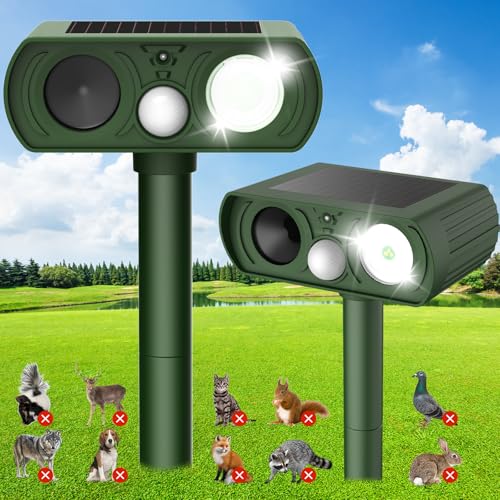
【Effectively Drive Away Animals】Once the advanced motion sensor detects animals nearby, the deer repellent devices activate, emitting strong ultrasonic sounds and flashing LED strobe lights. The ultra-powerful sonic & light scare animals away and effectively deter them from your protected area in a peaceful way.
Physical Barriers
- Fencing: Install tall fences around your orchard. Use wire mesh or wooden fences at least 8 feet high to keep deer and other large animals out.
- Tree Guards: Wrap trunk bases with chicken wire or metal guards. This prevents rabbits and small rodents from gnawing on the bark.
- Netting: Drape bird netting over fruit trees. This protects ripening fruit from birds while allowing sunlight and rain to reach the tree.
- Ground Covers: Use gravel or wood chips around the tree base. This discourages animals like voles from burrowing near the roots.
- Scents: Apply commercial animal repellents that use strong odors. Options include predator urine or garlic sprays, which discourage animals from coming close.
- Motion-Activated Sprinklers: Set up motion-activated sprinklers around your trees. The sudden burst of water surprises animals, effectively deterring them.
- Noise Makers: Use wind chimes or aluminum foil strips. The noise and movement can scare off birds and small mammals.
- Companion Planting: Integrate certain plants like marigolds around your fruit trees. The strong scent can deter unwanted animals while enhancing your garden’s aesthetic.
These methods help keep your fruit trees safe from various animals. By combining physical barriers with repellents, you create a multi-faceted defense strategy.
Best Practices For Fruit Tree Care
Maintaining your fruit trees helps them thrive and keeps animals at bay. Implementing the following practices enhances the health of your trees and discourages wildlife interference.
Recommended Products

HDPE Material for Outdoor Garden Use: Made from high-density polyethylene (HDPE), RIFNY garden bird netting is designed for outdoor plant protection and repeated seasonal use. The flexible mesh is suitable for backyard gardeners, vegetable gardens, raised beds, fruit trees, blueberry bushes, flower gardens, and orchards. The black netting provides a practical barrier for protecting plants while maintaining airflow and sunlight

Protect Your Vegetables and Fruits: LCHUANG Garden Netting is great for orchards, greenhouses, gardens, nurseries, patios, and shrubs. This Bird Netting with a zipper can protect blueberries, tomatoes, trees, fruits, flowers, vegetables, and potted plants from insects, birds, and bugs, which helps the plants grow normally.

Size: Deer netting size 7 feet x 100 feet; garden netting mesh size 3/4"; color: black; Easy to use accessories included: 10pcs installation nails & 50pcs cable ties
Proper Tree Maintenance
- Regular Pruning: Trim back branches to improve air circulation and sunlight exposure. Removing dead or broken branches deters pests and helps prevent damage from animals.
- Mulching: Apply organic mulch around the base of your trees. This retains moisture, reduces competition from weeds, and discourages burrowing animals like rabbits.
- Fertilizing: Use a balanced fertilizer to promote strong growth. Healthy trees produce more resilient fruit and can better withstand animal threats.
- Watering: Ensure consistent watering, especially during dry spells. Adequate hydration boosts tree strength and reduces the likelihood of stress-induced vulnerability to animals.
- Monitoring for Pests: Regularly inspect for signs of pests or diseases. Early detection and treatment protect trees from further damage, which can attract animal foragers.
- Choose Resistant Varieties: Select fruit tree varieties known for their resistance to pests and environmental stresses. Consult local resources or nurseries for recommendations.
- Spacing Trees: Plant trees at sufficient distances from one another. This reduces competition and provides space for proper air circulation, keeping trees healthier.
- Companion Planting: Use plants that deter wildlife around your fruit trees. Marigolds and herbs like rosemary and mint can help repel unwanted visitors.
- Decoy Planting: Consider planting bait trees away from your main fruit trees. Plants that attract animals can divert their attention elsewhere.
- Ground Cover: Use ground cover plants that are less appealing to animals. Options like clover or creeping thyme can discourage wildlife from venturing too close to your fruit trees.
Implementing these best practices not only protects your fruit trees but also cultivates a healthier, more productive garden environment.
Environmental Considerations
Environmental factors significantly influence how to protect your fruit trees from animal interference. By implementing habitat modification and attracting natural predators, you can create a less inviting space for unwanted wildlife.
Recommended Products

Humane Protection – Helps keep out hungry and destructive deer and other critters from your garden, protecting fruits, vegetables, and flowers. A practical and humane alternative to expensive metal fences, chemicals, and traps.

55GSM HDPE Deer Fence Netting: Made of thick 55GSM HDPE plastic mesh with multi-strand woven structure, deer fence for garden built-in UV resistant coating prevents fading & cracking under long-term sunlight; Tangle-free flexible design won’t rip easily, long-lasting barrier for outdoor spaces
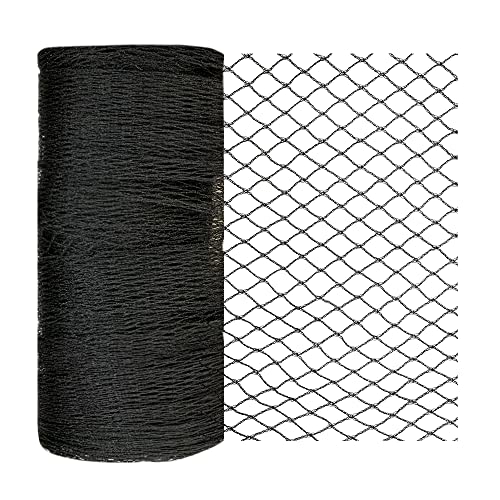
Reliable Netting for Garden Protection: Our bird netting for garden is designed to safeguard your plants, fruit trees, and vegetables from birds, deer, squirrels, rabbits, and other animals. This lightweight yet strong garden netting is difficult to tear or damage by squirrels and other small rodents. It is temperature-resistant, cold-resistant, and usable year-round.
Habitat Modification
You can alter the area around your fruit trees to reduce animal visits. Start by removing potential food sources, such as fallen fruit, nuts, or seed-producing plants. Keep your garden tidy by regularly clearing debris, where animals might find shelter or additional food.
Consider using landscaping techniques to make your garden less appealing. For instance, planting prickly or dense shrubs around the perimeter can deter larger animals like deer. Also, utilize barriers such as low fences or trellises, which can prevent animals from easily accessing your trees. By maintaining a well-structured environment, you limit the opportunities for wildlife to invade your fruit tree area.
Attracting Natural Predators
Attracting natural predators provides a practical way to control animal populations that threaten your fruit trees. Birds such as hawks and owls can keep smaller critters like squirrels and rabbits at bay. You can create an inviting habitat for these birds by installing nesting boxes and providing perches.
You can also introduce predatory insects, like ladybugs and lacewings, to your garden. These beneficial insects help control pest populations while promoting a healthy ecosystem. Planting native plants that provide habitats and food sources for these natural predators promotes a balanced environment.
Integrating habitat modifications with natural predator attraction presents an effective strategy for safeguarding your fruit trees. By fostering a natural balance, you create protective measures that contribute to a thriving garden.
Conclusion
Protecting your fruit trees from pesky animals doesn’t have to be a daunting task. By implementing a mix of physical barriers and clever deterrents you can create a safe haven for your trees. Remember to keep an eye out for signs of damage and act quickly to address any issues.
With a little creativity and effort you can enjoy the fruits of your labor without sharing them with local wildlife. Embrace the strategies that resonate with you and watch your garden thrive. Happy gardening and may your harvests be plentiful!
Frequently Asked Questions
What animals typically damage fruit trees?
Common animals that damage fruit trees include squirrels, deer, rabbits, birds, and certain insects. Each of these can cause various types of harm, from nibbling on fruits to damaging bark and branches.
How can I identify signs of damage to my fruit trees?
Look for signs such as nibble marks on leaves or fruits, broken branches, chewed bark, fruit loss, and animal droppings. Identifying these signs early can help you take action to protect your trees.
What are effective ways to deter animals from fruit trees?
Effective deterrents include physical barriers like tall fencing, bird netting, and tree guards. Additionally, using repellents, sound makers, and companion planting with deterrent flowers can enhance your defense strategy.
Are there specific best practices for caring for fruit trees?
Yes, key practices include regular pruning, applying organic mulch, using balanced fertilizers, and consistent watering. Monitoring for pests and choosing resistant tree varieties also contribute to healthier trees less prone to wildlife damage.
How does habitat modification help in protecting fruit trees?
Habitat modification involves removing food sources and landscaping with prickly shrubs to deter wildlife. This makes your garden less inviting to unwanted animals, helping protect your fruit trees more effectively.
Can attracting natural predators help protect my fruit trees?
Yes, attracting natural predators like birds of prey and beneficial insects can help control wildlife populations that threaten fruit trees. This approach promotes a balanced ecosystem that benefits your garden.
