

Ever wondered how to make the most of your juicy cantaloupe? Picture this: you’re savoring a delicious slice of ripe cantaloupe, and it’s so good you wish you could enjoy it all year round. What if we told you that you can not only relish the fruit but also preserve its seeds for future planting? Exciting, isn’t it?
Key Takeaways
- Preserving cantaloupe seeds allows for a continuous supply of flavorful fruits year after year, ensuring quality and sustainability.
- Unpreserved cantaloupe seeds have a limited lifespan due to exposure to air and moisture, emphasizing the importance of proper storage conditions.
- Effective methods for preserving cantaloupe seeds include drying them for storage, refrigerating them, and using silica gel to maintain low moisture levels.
- Proper preparation of cantaloupe seeds before preservation involves cleaning, selecting only high-quality seeds, and testing their viability for successful germination.
- Storing preserved seeds in ideal conditions – cool, dry place away from sunlight – is crucial for maintaining seed viability and ensuring future harvest success.
Understanding Cantaloupe Seeds
Cantaloupe seeds are not just remnants to discard; they hold the potential for future harvests. By preserving these seeds, you can ensure a continuous supply of delicious cantaloupes in your garden. Let’s delve deeper into why preserving cantaloupe seeds is essential and the lifespan of unpreserved cantaloupe seeds.
Why Preserve Cantaloupe Seeds?
Preserving cantaloupe seeds allows you to cultivate the same flavorful fruits year after year without relying on store-bought produce. It gives you control over the quality of your crops, ensuring that each harvest meets your standards for taste and freshness. Additionally, saving cantaloupe seeds promotes sustainability by reducing reliance on external sources for new plants.
Lifespan of Unpreserved Cantaloupe Seeds
Unpreserved cantaloupe seeds have a limited lifespan due to exposure to air and moisture. Without proper preservation methods, these seeds may lose their viability over time, leading to unsuccessful germination when planted. The average lifespan of unpreserved cantaloupe seeds ranges from 1 to 5 years depending on storage conditions. To maximize the longevity of your cantaloupe seeds, it’s crucial to store them in a cool, dry place away from sunlight and humidity.
By understanding the significance of preserving cantaloupe seeds and being aware of the implications of leaving them unprotected, you can take proactive steps to ensure a bountiful harvest season after season.
Methods of Preserving Cantaloupe Seeds
Preserving cantaloupe seeds is crucial for maintaining a sustainable harvest year after year. Here are some effective methods you can use to preserve your cantaloupe seeds:
Recommended Products

GOOD ADSORPTION CAPACITY: Silica gel desiccant is a highly active adsorption material, has good thermal properties and chemical stability, and does not react with other substances.

✅ [ Fine Crystals < 1mm ] - Flower drying DIY craft purpose small beaded silica gels with dust treatment, to avoid physical impacts on petals, and more healthy. Please wear mask & gloves when operating if required.

[Packet Specification] Dimension of Each Packet: 1.2inch x 1.4inch; 1 gram desiccant each packet can cover approximately 0.5L or 0.15Gl volume containers; We recommend placing more packets than recommended for extra protection.
Drying Seeds for Storage
To dry cantaloupe seeds for storage, start by scooping out the seeds from a ripe cantaloupe. Remove any excess pulp and place the seeds in a single layer on a paper towel or a screen to air dry. Make sure to keep them in a well-ventilated area away from direct sunlight. Allow the seeds to dry completely for about 1-2 weeks until they break when bent. Once dried, store them in an envelope or a small paper bag in a cool, dark place.
Refrigeration Techniques
Refrigerating cantaloupe seeds can help prolong their viability. After extracting the seeds, ensure they are thoroughly cleaned and dried before placing them in an airtight container or sealed plastic bag. Label the container with the seed variety and date collected before storing it in the refrigerator at around 32-41°F (0-5°C). Properly refrigerated cantaloupe seeds can remain viable for planting for up to five years.
Using Silica Gel for Preservation
Silica gel is an excellent desiccant that effectively absorbs moisture, making it ideal for preserving cantaloupe seeds. Place clean and dry cantaloupe seeds in an airtight container along with silica gel packets. Seal the container tightly and store it in a cool, dry location away from humidity and light exposure. The silica gel helps maintain low moisture levels around the seeds, extending their shelf life significantly.
By following these simple yet effective methods of preserving your cantaloupe seeds, you ensure that you have quality seeds ready for planting whenever you’re prepared to enjoy another bountiful harvest of delicious cantaloupes.
Preparing Seeds for Preservation
When it comes to preserving cantaloupe seeds, proper preparation is key to maintaining their viability for future planting. Here are essential steps to ensure your cantaloupe seeds are ready for preservation:
Recommended Products


Material: This watermelon seed removal tool is made of high-quality silicone and stainless steel, making it extremely sturdy. Longevity and simplicity of use are ensured by the strong stainless steel seed claws, the cozy silicone handle, and the handy hang hole for storage

🍉 Melon Baller Set: Melon scoop set includes 4 in 1 melon baller scoop set*1 set, fruit vegetable peeler*1 pc, fruit corer tool*1 pc, food cutter shapes set*9 pcs. Melon baller scoop set and cookie cutters can quickly remove seeds and dig flesh, vegetable cutter shapes, fruit pulp separating and fruit slicing to make perfect fruit platter.
Cleaning and Selecting Seeds
To start, carefully clean the cantaloupe seeds by removing any excess pulp or debris. You can do this by rinsing the seeds under running water and gently rubbing them between your fingers to dislodge any remaining pulp. Once cleaned, spread the seeds out on a paper towel or a fine mesh screen to dry thoroughly.
Next, select only the best quality seeds for preservation. Look for plump, fully developed seeds that are free from damage or mold. Discard any undersized or unhealthy-looking seeds as they may not germinate successfully.
Testing Seed Viability
Before storing the cantaloupe seeds, it’s advisable to test their viability to ensure successful germination when planted. A simple viability test involves placing a few seeds on a damp paper towel in a sealed plastic bag and keeping them in a warm location for several days.
After the testing period, check the seeds for signs of sprouting. Healthy viable seeds will begin to germinate, indicating their readiness for planting. If a significant portion of the tested seeds show signs of germination, you can proceed with storing the rest of the batch confidently.
By following these steps to clean, select, and test your cantaloupe seeds before preservation, you’ll increase the chances of having robust seedlings that will grow into delicious melons when planted.
Storing Preserved Seeds
When it comes to preserving cantaloupe seeds, ensuring you store them correctly is crucial for successful germination and future harvests. Here are some essential tips on how to store your preserved seeds effectively.
Recommended Products

FRESHNESS THAT LASTS FOR WEEKS, NOT DAYS: BPA-free multilayer design is constructed of durable yet pliable material that creates an airtight barrier around foods, extending freshness and locking in flavors
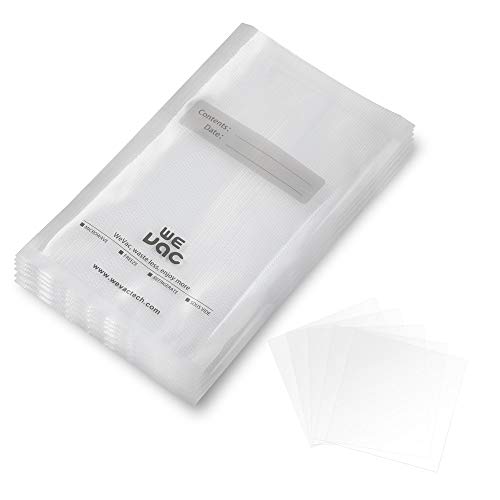
HEAVY DUTY AND PUNCTURE PREVENTION - 6x10 pre-cut pint bags with embossed channels increase suction, keep fresh without freezer burn or dehydration

These plastic vacuum seal bags can be used to store fruits, vegetables, meat, duck's neck and other foods as you like. It also ideal for storing, packaging, sampling, displaying, kitchen storage or home organization.
Ideal Storage Conditions
For optimal seed preservation, you should store your cantaloupe seeds in a cool, dry place away from direct sunlight. Ideally, aim for a consistent temperature of around 50°F (10°C) with low humidity levels. A dark pantry or a refrigerator can be suitable storage locations to maintain the viability of the seeds.
Tips for Long-Term Storage
To ensure long-term viability of your cantaloupe seeds, consider vacuum-sealing them in airtight containers or using resealable plastic bags with any excess air squeezed out before sealing. Label each container with the seed variety and the date they were preserved to keep track of their age.
Regularly check stored seeds for any signs of moisture or mold growth, as these can indicate improper storage conditions that may affect germination rates. By following these tips and storing your preserved cantaloupe seeds correctly, you’ll be well-prepared for successful planting and bountiful harvests in the seasons to come.
Conclusion
Preserving cantaloupe seeds is key to enjoying a continuous harvest of this delicious fruit. By understanding the importance of seed preservation, you can have control over crop quality and sustainability. Remember that proper storage methods, such as drying seeds or using silica gel, are essential for successful germination. Ensure you clean, select high-quality seeds, and test their viability before storing them in ideal conditions. Regularly check stored seeds for moisture and mold to maintain germination rates. With these practices in place, you’ll be ready for planting and can look forward to bountiful harvests in the future!
Frequently Asked Questions
How important is it to preserve cantaloupe seeds for future planting?
Preserving cantaloupe seeds is crucial for continuous harvests, ensuring control over crop quality and sustainability. Without preservation, seeds have a limited lifespan due to exposure to air and moisture.
What are some methods for preserving cantaloupe seeds?
Methods include drying seeds, refrigeration techniques, and using silica gel. Proper preparation steps like cleaning, selecting high-quality seeds, and testing seed viability are essential.
How should preserved cantaloupe seeds be stored?
Stored in a cool, dry place away from sunlight in airtight containers like vacuum-sealed bags. Regularly checking for moisture or mold growth helps maintain germination rates for successful planting.
