

Have you ever wanted to create your own little orchard in Animal Crossing? Planting fruit trees not only adds charm to your island but also gives you a steady supply of delicious fruits. It can be a bit tricky if you’re not sure where to start, but don’t worry—you’re not alone!
Key Takeaways
- Benefits of Fruit Trees: Planting fruit trees enhances your island’s aesthetics, provides a steady source of fruits for crafting and selling, and encourages landscaping diversity.
- Types of Trees: There are several fruit tree types available, including apples, oranges, peaches, pears, cherries, and coconuts, each offering unique fruits and growth patterns.
- Location Selection: Ensure your chosen planting location receives 6-8 hours of sunlight daily, has adequate space for growth, and possesses good soil drainage.
- Essential Materials: Gather necessary materials such as healthy saplings, a shovel, a watering can or hose, fertilizer, and mulch to facilitate successful planting and care.
- Planting Process: Follow a straightforward process: dig a hole, plant the sapling upright, and water it immediately to promote healthy growth.
- Ongoing Care: Regularly fertilize, prune, and check for pests and diseases to maintain healthy fruit trees, ensuring a bountiful harvest and vibrant orchard.
Overview of Fruit Trees in Animal Crossing
Fruit trees play a vital role in your island life in Animal Crossing. They provide not only aesthetic beauty but also a reliable source of fruits for crafting and selling.
Importance of Fruit Trees
Fruit trees offer multiple benefits. They enhance your island’s charm, creating a lush, vibrant environment. Collecting fruit contributes to your in-game economy, as you can sell it for Bells or use it in crafting recipes. Additionally, planting fruit trees encourages diversification in your island’s landscaping, making your space feel more personalized.
Types of Fruit Trees Available
You can find various types of fruit trees in Animal Crossing, each producing unique fruits. Here’s a list of the types available:
- Apple Trees: Produce apples, which are versatile for eating and crafting.
- Orange Trees: Yield sweet oranges, useful for recipes and selling.
- Peach Trees: Bear juicy peaches, enhancing your island’s appeal.
- Pear Trees: Provide pears, often used in dishes and decorating.
- Cherries: Generate cherries, great for recipes and gathering.
- Coconuts: Found on beaches, these trees add tropical flair.
Each tree type has a distinct growth pattern and requires specific conditions for optimal growth. You can cultivate a delightful orchard by selecting a variety of trees to enjoy their full potential.
Preparing to Plant Fruit Trees
Preparing for your fruit tree planting involves selecting the right location and gathering necessary materials. Follow these steps for a successful start.
Recommended Products

STARTING A TROPICAL GARDEN- Comprised of real horticultural grade ingredients such as shredded coir husk, pine bark, perlite, sand, and garden lime; no pelletized fertilizer
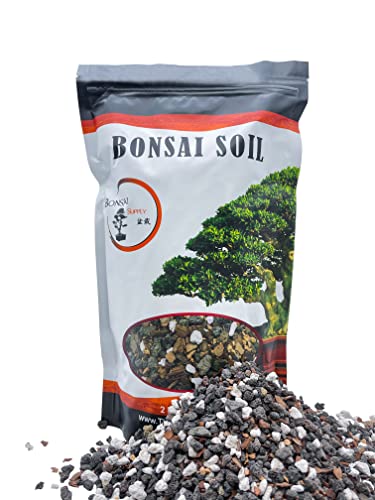
🌱【Ready-to-use Pre-mix】: Simplify repotting your Bonsai and other plants with our premium, fast-draining Bonsai potting soil mix. It comes pre-mixed and sifted for your convenience.

Choosing the Right Location
Choosing the right location ensures your fruit trees thrive. Consider these factors when selecting a spot:
- Sunlight: Fruit trees need 6-8 hours of direct sunlight daily. Select an area that remains sunny throughout the day.
- Space: Ensure enough space between trees for growth. Maintain at least 3-4 spaces apart to prevent overcrowding.
- Soil Quality: Check the soil for good drainage. Sandy or loamy soil works best for fruit trees. If the soil’s heavy or clay-like, consider using raised beds.
- Proximity to Water: Position trees near a water source for easy irrigation. Regular watering supports healthy growth.
Gathering Necessary Materials
Gathering the right materials simplifies planting and care. Here’s what you need:
- Fruit Tree Saplings: Choose healthy saplings from a reliable shop. Look for vibrant leaves and strong trunks.
- Shovel: Use a sturdy shovel for digging holes. Ensure it’s sharp for easier digging.
- Watering Can or Hose: Stay prepared to water the saplings after planting. A watering can offers control, while a hose covers larger areas.
- Fertilizer: Select a balanced fertilizer to nourish young trees. Organic options help your orchard thrive without chemicals.
- Mulch: Gather mulch to retain moisture and suppress weeds. Wood chips or straw work well.
Following these guidelines makes your planting process smooth. Start with the right location and gather the necessary materials for a flourishing fruit tree orchard.
Steps to Plant Fruit Trees
Planting fruit trees in Animal Crossing is straightforward. Follow these steps for a successful orchard.
Recommended Products

Charming Elephant Design: A bestselling novelty watering can shaped like a happy elephant, suitable for kids, plant lovers, and decor-friendly indoor use

Union Products 63182 2 Qt Gray Elephant Watering Can
Digging the Hole
- Stand where you want to plant the tree.
- Select your shovel from the inventory.
- Press the button to dig a hole. Ensure the hole has enough space, as trees require a two-space gap in all directions from other trees or objects.
- Check the soil quality. Look for areas clear of rocks, weeds, or flowers to promote growth.
Planting the Sapling
- Choose a healthy sapling from your inventory.
- Approach the hole you just dug.
- Select the sapling from your inventory and press the button to plant it.
- Ensure the sapling stands upright in the hole. A crooked sapling won’t thrive.
- Grab your watering can from the inventory.
- Approach the planted sapling and press the button to water it. Watering right after planting boosts growth speed.
- Check daily for any weeds or pests around the tree. Clear them away to keep the area healthy.
- Fertilize the tree periodically to enhance its growth. Use fertilizer when you notice your tree starts to look sparse.
By following these steps, you can cultivate a fruitful and vibrant orchard in your Animal Crossing paradise.
Caring for Fruit Trees
Caring for fruit trees ensures a bountiful harvest and vibrant orchard. Regular attention keeps your trees healthy and productive.
Fertilizing and Pruning
Fertilizing supports strong growth and fruit production. Use fertilizer specifically designed for trees. Apply it every few weeks during the growing season, typically from spring to early summer. Follow the package instructions for quantity and method.
Pruning enhances airflow and sunlight exposure. Remove dead or diseased branches to promote health. Prune in late winter or early spring before new growth appears. Cut branches just above a bud or junction, and make clean cuts for best results.
Dealing with Pests and Diseases
Monitoring your trees for pests and diseases is crucial. Check leaves, fruit, and branches regularly for signs of trouble. Common pests include aphids, beetles, and caterpillars. Use insecticidal soap for a gentle and effective solution. Apply it in the early morning or late evening to avoid harming beneficial insects.
For diseases like blight or rust, remove infected parts immediately. Dispose of them away from your orchard. Consider using fungicides during wet seasons to protect against fungal infections. Always follow instructions carefully when applying any treatments.
With regular care, your fruit trees thrive, providing delicious fruits and enhancing your island’s charm.
Conclusion
Planting fruit trees in Animal Crossing is a rewarding journey that adds beauty and functionality to your island. With a little patience and care you’ll soon enjoy a flourishing orchard that not only looks great but also provides a steady supply of delicious fruits.
Remember to choose the right locations and keep up with regular maintenance for the best results. As you watch your trees grow and thrive you’ll create a charming space that reflects your personal style. So grab those saplings and get started on your orchard adventure. Happy planting!
Frequently Asked Questions
What are the benefits of having a personal orchard in Animal Crossing?
Creating a personal orchard enhances your island’s beauty and provides a consistent source of fruit for crafting and selling. It adds aesthetic appeal and contributes to the in-game economy, making fruit trees essential for island life.
What types of fruit trees can I plant in my orchard?
You can plant various types of fruit trees, including apple, orange, peach, pear, cherry, and coconut trees. Each type offers unique fruits and has specific growth requirements, allowing for a diverse and personalized orchard.
How do I prepare the area for planting fruit trees?
Choose a sunny location with quality soil and sufficient space. Ensure that the area is free from rocks, weeds, or flowers. Gather necessary materials such as healthy saplings, a shovel, fertilizer, and a watering can.
What steps should I follow to plant fruit trees effectively?
To plant a fruit tree, dig a hole that is clear of debris, then place a healthy sapling upright in the hole. Water it immediately to promote growth. Ensure daily checks for weeds and pests for the best results.
How can I care for my fruit trees after planting?
Fertilize your trees every few weeks during the growing season and prune them in late winter or early spring. Regularly monitor for pests and disease, applying treatments as needed to ensure your trees remain healthy and productive.
