

Ever wondered how you can enjoy the sweet taste of homegrown cantaloupes without needing a garden? Picture this: craving that juicy, ripe fruit, but limited by space or climate. What if we told you that you could grow your own cantaloupes right in the comfort of your home, regardless of the season?
Key Takeaways
- Choose the right cantaloupe seeds based on variety and opt for organic options to ensure natural growth.
- Use a well-draining soil mix and containers with drainage holes when planting indoors to promote healthy root development.
- Follow a step-by-step guide for planting cantaloupe seeds at the correct depth and spacing indoors.
- Care for indoor cantaloupe plants by maintaining proper watering, temperature, and light conditions.
- Address poor germination issues with fresh seeds, warmth, and moisture control; manage pests and diseases proactively for a successful harvest.
Choosing the Right Cantaloupe Seeds
When selecting cantaloupe seeds for indoor planting, it’s essential to consider the following factors:
Recommended Products

MELON LOVERS COLLECTION: This pack is a dream for melon enthusiasts, offering a diverse selection of sweet and juicy melons. From cantaloupes to watermelons and specialty varieties, this collection is perfect for gardeners looking to grow a refreshing summer harvest.
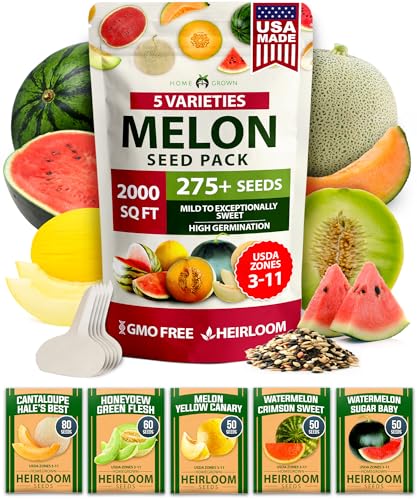
5 Sweet Melons — premium dessert varieties with rich, juicy flavor. High-quality seeds from the latest harvest deliver productive plants with attractive, great-tasting fruits. Selected for sweetness, shelf life, and transportability. Adaptable to different climates and soils, helping you grow a rewarding harvest and enjoy fresh, gourmet-quality melons from your own garden.

HEIRLOOM MELON SEED VARIETY PACK – honey Rock and hales Best cantaloupe (Cucumis melo var. cantalupensis), honeydew (C. melo var. inodorus), plus Yellow Petite, Tendersweet Orange, and Georgia Rattlesnake watermelon (Citrullus lanatus)
Understanding Seed Varieties
Cantaloupe seeds come in various varieties, each with unique characteristics. Some common types include Ambrosia, Athena, and Hale’s Best. These varieties differ in taste, size, and growing conditions. For example, Ambrosia melons are known for their exceptionally sweet flavor, while Athena melons are popular for their disease resistance. Understanding the differences between seed varieties can help you choose the one that best suits your preferences and growing environment.
Importance of Organic Seeds
Opting for organic cantaloupe seeds is crucial when planting indoors as they are free from synthetic chemicals and pesticides. Organic seeds ensure that your plants grow naturally without harmful additives that can affect their flavor or nutritional value. By choosing organic seeds, you promote sustainable farming practices and contribute to a healthier environment overall.
Selecting the right cantaloupe seeds is a vital first step towards successfully growing these delicious fruits indoors. By considering seed varieties and opting for organic options, you set yourself up for a rewarding gardening experience with fresh cantaloupes right at your fingertips.
Preparing for Planting
When it comes to planting cantaloupe seeds indoors, preparation is key to ensuring a successful harvest. Here’s what you need to know to get started:
Selecting the Right Soil Mix
For indoor cantaloupe cultivation, opt for a well-draining soil mix that provides good aeration for the roots. A blend of peat moss, perlite, and vermiculite in equal parts creates an ideal medium for seed germination and plant growth. This mix retains moisture while preventing waterlogging, promoting healthy root development.
Choosing Containers for Indoor Growth
Select containers with drainage holes to prevent water accumulation at the bottom, which can lead to root rot. Plastic or terracotta pots are suitable choices for growing cantaloupes indoors. Ensure that the containers are deep enough to accommodate the developing root system and allow ample space for vine expansion. Remember to sanitize the containers before planting to reduce the risk of diseases affecting your plants.
The Planting Process
To successfully plant cantaloupe seeds indoors, follow these essential steps and guidelines.
Step-by-Step Guide to Planting
- Prepare the Soil: Use a well-draining soil mix consisting of peat moss, perlite, and vermiculite.
- Choose the Right Container: Select containers with drainage holes and sufficient depth for proper root growth.
- Sanitize Containers: Before planting, sanitize containers to prevent potential diseases.
- Planting Cantaloupe Seeds: Sow the seeds at a depth of 1 inch in the soil mix.
- Watering Schedule: Maintain consistent moisture levels by watering lightly after planting.
- Planting Depth: Cantaloupe seeds should be planted at a depth of around 1 inch in the soil.
- Spacing: Leave about 18 inches between each seed when planting to allow ample room for growth.
By following these steps and guidelines for planting cantaloupe seeds indoors, you can set yourself up for a successful indoor gardening experience.
Caring for Indoor Cantaloupe Plants
When caring for your indoor cantaloupe plants, you need to pay attention to specific factors to ensure their healthy growth and development. Here are essential aspects to consider:
Recommended Products

EASIER SEED STARTING: Our Burpee SuperSeed tray with 36 flexible pop-out cells is designed to simplify indoor seed starting for all your favorite vegetables, flowers and herbs. Just add seed starting mix, seeds, water and light to get growing! Rows are labeled alphanumerically for seedling identification with included Plant-o-Gram diagram. Tray dimensions: 11.5" x 10-3/8" x 2-1/4"

Seed starter: Before absorbing water and swelling, the thickness of the peat soil pellet is only 12MM, easy to store and carry. The seedling block is wrapped with a degradable mesh non-woven material, which is convenient for transportation and transplanting. When the seedlings are transplanted, they can be directly planted into the soil to improve the efficiency and success rate of transplanting

INDOOR SEED STARTING KIT: Complete growing set includes two 36-cell planting trays, one water reservoir tray, 72 super growing pellets, and a dome greenhouse cover. An easy and efficient way to start seeds indoors! Use to grow your favorite herbs, vegetables and flowers.
Watering Requirements
Water is crucial for the proper growth of your indoor cantaloupe plants. Make sure you water them consistently but avoid overwatering, as this can lead to root rot. A good practice is to water the plants when the top inch of soil feels dry to the touch. Ensure that excess water can drain easily by using containers with drainage holes.
Temperature and Light Needs
Maintaining the right temperature and providing adequate light are vital for your indoor cantaloupe plants’ well-being. Cantaloupes thrive in warm temperatures between 75-85°F (24-29°C). Additionally, they require full sun exposure, so place them in a location where they can receive at least 6-8 hours of sunlight daily. If natural light is insufficient, consider supplementing with grow lights.
Common Challenges and Solutions
Dealing with challenges when growing cantaloupe seeds indoors is common but manageable. Here are some solutions to help you overcome potential issues.
Addressing Poor Germination
If you notice poor germination rates, ensure your seeds are fresh and of good quality. Sometimes, low temperatures can hinder germination; placing a heat mat under the seed trays can provide the warmth needed for successful sprouting. Additionally, maintaining consistent moisture levels in the soil is crucial for optimal germination. Covering the trays with plastic wrap can help retain moisture until the seeds sprout.
Managing Pests and Diseases Indoors
To prevent pests and diseases from affecting your indoor cantaloupe plants, maintain clean growing conditions by regularly removing any dead leaves or plant debris. Inspect your plants frequently for signs of pests such as aphids or spider mites. If identified early, these pests can be controlled using insecticidal soap or neem oil. For fungal diseases like powdery mildew, ensure proper air circulation around the plants and avoid overhead watering to reduce humidity levels that promote disease growth.
By being proactive in addressing poor germination rates, pests, and diseases indoors, you can ensure healthy growth and a successful indoor cantaloupe harvest.
Conclusion
You’ve now learned the essential steps for successfully planting cantaloupe seeds indoors. By choosing the right seeds, preparing suitable soil, and providing proper care, you can overcome common challenges like poor germination rates and pest issues. Remember to maintain optimal conditions for your indoor cantaloupe plants by ensuring adequate watering, appropriate temperatures, and sufficient light exposure. With a little attention to detail and proactive management of potential obstacles, you’ll be on your way to enjoying a bountiful harvest of delicious homegrown cantaloupes in no time. Happy planting!
Frequently Asked Questions
Can cantaloupes be grown indoors?
Yes, cantaloupes can be grown indoors successfully with the right seeds, soil, and care.
How do I plant cantaloupe seeds indoors?
Plant cantaloupe seeds indoors by selecting organic seeds, preparing proper soil, and following a step-by-step planting guide.
What care do indoor cantaloupe plants need?
Indoor cantaloupe plants require regular watering, specific temperature conditions, and adequate exposure to light for healthy growth.
What are common challenges when growing cantaloupe seeds indoors?
Common challenges include poor germination rates and managing pests and diseases effectively.
How can I address these challenges?
To address challenges when growing cantaloupe seeds indoors, ensure seed quality, provide warmth for germination, maintain moisture levels, and manage pests through cleanliness and appropriate treatments.
