

Have you ever wondered why your lime tree isn’t producing fruit? You’re not alone. Many gardeners face this frustrating issue, especially when they’ve put in the effort to nurture their plants. It can be disheartening to watch your tree grow lush and green without a single lime in sight.
In this article, you’ll discover practical tips to encourage your lime tree to bear fruit. From understanding the right conditions to providing proper care, you’ll learn how to create an environment where your tree can thrive. By the end, you’ll feel empowered to help your lime tree reach its full potential and enjoy the satisfaction of homegrown limes.
Key Takeaways
- Understand Your Lime Tree: Different lime tree varieties (Persian, Key, and Kaffir) have unique care requirements; choose the right one for your environment and needs.
- Ideal Growing Conditions: Lime trees thrive in well-draining soil with a pH of 5.5-6.5, require 6-10 hours of sunlight daily, and prefer moist (but not waterlogged) soil with temperatures between 70°F and 100°F.
- Effective Care Practices: Regularly water your lime tree, allowing the top inch of soil to dry before watering again, and use balanced fertilizers to nourish the tree throughout the growing season.
- Pruning for Productivity: Prune your lime tree in late winter or early spring to enhance air circulation, shape the tree, and remove any dead or crossing branches.
- Manage Pests and Diseases: Conduct weekly inspections for pests and diseases, using appropriate treatments to maintain tree health and ensure robust growth.
- Enhance Pollination: Assist with pollination using hand pollination techniques and attract natural pollinators by planting nearby flowering plants to improve fruit set.
Understanding Lime Trees
Lime trees are popular among home gardeners for their vibrant fruit and fragrant foliage. Knowing how to care for them helps in maximizing fruit production.
Varieties of Lime Trees
Lime trees come in several popular varieties:
- Persian Lime: This variety produces large, seedless fruit. It’s commonly found in grocery stores and thrives in warm climates.
- Key Lime: Smaller and more aromatic, Key limes are notorious for their distinctive flavor. They require slightly different care than other limes.
- Kaffir Lime: Known for its unique leaves, Kaffir limes are mostly used for culinary purposes rather than fruit. They prefer humid conditions.
Choose your variety based on your growing conditions and your intended use for the fruit.
Ideal Growing Conditions
Lime trees flourish under specific conditions:
- Soil: Use well-draining soil with a pH level between 5.5 and 6.5. Sandy or loamy soils work best.
- Sunlight: Provide at least 6 to 8 hours of sunlight daily. Full sun encourages healthy growth and fruiting.
- Watering: Water regularly, especially during dry spells. The soil should be moist but not waterlogged.
- Temperature: Limes prefer temperatures between 70°F and 100°F. Protect them from cold or frost, particularly younger trees.
By securing these ideal conditions, you promote a healthy lime tree that bears fruit more consistently.
Factors Influencing Fruit Production
Several factors affect the fruit production of lime trees. Understanding these elements helps you create the best environment for your tree.
Recommended Products

Quick, at home results for Soil pH, Nitrogen, Phosphorous and Potash Innovative and inexpensive soil test kit features an easy-to-use capsule system and patented color comparators

Kindly NOTE: This soil tester can not be applied to test pH value of any other liquid. If the soil is too dry the indicator will not move, and water it before testing.
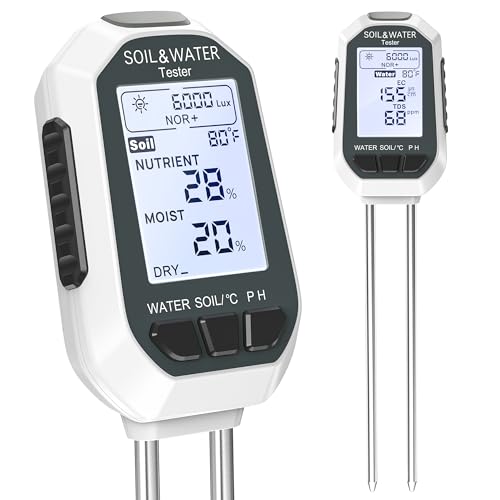
【7-in-1 Features】This is a 7-in-1 multi-function soil tester. Our soil tester quickly measures soil moisture, pH, temperature and light intensity, and its fertility function helps you take better care of your plants. With this device you can measure the soil moisture, pH, temperature and light intensity for your plants and with the EC and TDS functions you will know when it is time to water the soil.
Sunlight Requirements
Lime trees need full sunlight for optimal growth. Aim for at least 8 to 10 hours of direct sunlight daily. Position your lime tree in a bright spot, like a south-facing area. If you notice weak or spindly growth, it may indicate insufficient sunlight exposure. You can enhance fruit production by ensuring it’s well-placed.
Soil Quality
Soil quality plays a crucial role in lime tree health. Use well-draining soil rich in organic matter, such as compost. Soil pH should hover around 6 to 7 for ideal conditions. Consider conducting a soil test to determine the pH level and nutrient content. Add amendments, like lime or sulfur, to adjust the pH as needed. Consistent moisture, but not saturated conditions, also supports strong root development.
Caring for Your Lime Tree
Caring for your lime tree involves consistent attention to watering and fertilization. These two elements play vital roles in encouraging fruit production.
Recommended Products
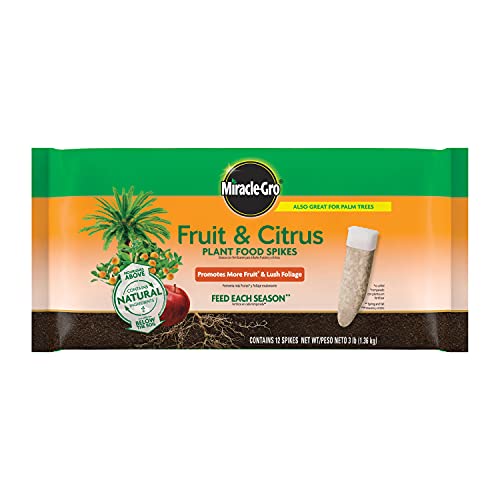
FORMULATED FOR CITRUS AND FRUIT TREES: Use these citrus fertilizer spikes on apple, orange, lemon, lime, and avocado trees; this formula is also great for feeding palm trees

Package contains 4 Pounds organic fruit and citrus fertilizer grains and is produced to avoid wasteful runoff, mess, hazards and smells

🍋 EXPLOSIVE HARVEST: GardenWise ignites a remarkable yield boost. Its scientific blend, featuring 6% nitrogen for growth, 4% phosphorus for flowering, and 6% potassium for fruit quality, culminates in an abundance of flavorful, aromatic fruits. This is more than growth; it's a nutrient-powered revolution in your citrus yield.
Watering Techniques
Watering your lime tree properly ensures healthy growth. Check the soil moisture regularly. You want the top inch to be dry before watering again. This technique prevents overwatering, which can lead to root rot. During hot months, your tree may need water once or twice a week. Consider using drip irrigation or a soaker hose for an efficient watering method that delivers moisture directly to the roots. Make adjustments based on rainfall and temperatures. A deep soak encourages strong root development, which supports better fruit production.
Fertilization Tips
Fertilizing your lime tree provides essential nutrients for healthy growth and fruiting. Use a balanced, slow-release fertilizer, such as a 10-10-10 or 8-3-9 formula. Apply the fertilizer in early spring, following the manufacturer’s instructions for dosage. Repeat every 6 to 8 weeks during the growing season. A soil test can guide you in selecting the right nutrient mix. Additionally, consider using organic options like compost or well-rotted manure. These amendments improve soil health and increase fruit yield. Regular fertilization promotes vibrant foliage, which supports high fruit production.
Pruning and Maintenance
Pruning and maintenance are vital for promoting fruit production in your lime tree. Regular care ensures your tree remains healthy and productive.
Correct Pruning Methods
Pruning helps control the size of your lime tree, enhancing air circulation and sunlight exposure. Start by removing dead or damaged branches. Clear out any crossing branches that may rub against one another. Focus on shaping your tree to allow light to penetrate the canopy.
- Prune during the dormant season, preferably in late winter or early spring.
- Use clean, sharp pruning shears to prevent injuries and disease.
- Trim back about one-third of the growth to maintain a manageable size.
- Remove suckers from the base, as they divert energy from fruit production.
Regular pruning encourages robust growth and boosts your tree’s ability to bear fruit.
Pest and Disease Management
Pest and disease issues can hinder your lime tree’s productivity. Implement preventive measures to protect your tree and ensure it remains healthy.
- Inspect your tree weekly for signs of pests like aphids, spider mites, and scale.
- Use insecticidal soap or neem oil for infestations to minimize damage.
- Monitor for diseases such as root rot or leaf spot. Ensure proper drainage and avoid overwatering to combat root rot.
- Maintain good airflow around your tree to prevent fungal infections.
Keeping your lime tree free of pests and diseases promotes flourishing growth and fruiting.
Encouraging Fruit Development
Encouraging your lime tree to bear fruit involves strategic techniques and environmental adjustments. Here are some key methods to boost fruit production.
Recommended Products

Precise Manual Pollination: This vegetable pollinator tool provides controlled hand pollination that enhances fruit and vegetable pollination efficiency, helping to increase crop yields by reliance on unpredictable natural pollinators

Efficient Pollination: You will receive 12pcs pollination brushes in three different sizes, designed to improve the pollination efficiency of indoor hydroponic plants and greenhouse gardens, and you can choose the right brush to solve the problem of low fruit

Pollination brushes for indoor hydroponics growing system: pollinating tool to distribute pollen within each blossom
Pollination Techniques
Pollination plays a crucial role in fruit development. You may need to assist with pollination if your lime tree isn’t producing fruit.
- Hand Pollination: Use a small, soft brush or cotton swab to transfer pollen from flower to flower. This process mimics the action of bees and helps ensure successful fertilization.
- Attract Pollinators: Plant flowering plants nearby to draw in bees and butterflies. Plants like lavender, rosemary, or marigold can help increase pollinator activity around your lime tree.
- Check Flowering: Observe the flowers on your tree. If they’re dropping without setting fruit, it indicates a pollination issue. Intervening promptly can improve your results.
Environmental Adjustments
Making certain environmental adjustments can enhance your lime tree’s ability to produce fruit.
- Temperature Management: Lime trees thrive in temperatures between 70°F and 100°F. Protect your tree from frost by bringing potted plants indoors or covering outdoor trees during cold snaps.
- Humidity Levels: Aim for higher humidity levels, ideally around 50-70%. You can increase humidity by misting the tree or placing a tray of water nearby.
- Soil Conditions: Ensure the soil drains well while retaining moisture. You can enhance drainage by mixing sand or perlite into your soil.
- Fertilization Timing: Fertilize during the growing season, ideally from early spring through late summer. Use a citrus-specific fertilizer with a balanced ratio, like 10-10-10, to support fruit development.
By implementing these strategies, you create a supportive environment that helps your lime tree thrive and increases its potential for fruit production.
Conclusion
With the right care and attention your lime tree can thrive and reward you with delicious fruit. Remember to choose the right variety and provide optimal growing conditions like plenty of sunlight and well-draining soil. Consistent watering and proper fertilization will keep your tree healthy and promote fruit production.
Don’t forget the importance of pruning and pest management to ensure your tree stays in top shape. By creating a supportive environment and using strategic techniques for pollination you’ll be well on your way to enjoying your very own homegrown limes. Happy gardening and may your lime tree flourish!
Frequently Asked Questions
Why is my lime tree not producing fruit?
Lime trees may not produce fruit due to inadequate sunlight, poor soil quality, improper watering, or lack of nutrients. Ensuring your tree receives at least 8-10 hours of direct sunlight and maintaining well-draining, nutrient-rich soil can help improve fruit production.
What are the best conditions for growing lime trees?
Lime trees thrive in well-draining soil with a pH of 6-7, plenty of sunlight, and regular watering. Aim for a warm climate with temperatures between 70°F to 100°F, and ensure the soil is kept moist but not waterlogged for optimal growth.
How often should I water my lime tree?
Watering frequency depends on the season and soil moisture. Generally, check the top inch of soil; if it’s dry, water the tree. During hot months, you may need to water once or twice a week, using drip irrigation for efficiency.
What type of fertilizer should I use for lime trees?
For lime trees, use a balanced, slow-release fertilizer formulated for citrus. Apply it in early spring and every 6-8 weeks afterward. Organic options like compost can also improve soil health and fruit yield.
When should I prune my lime tree?
Prune your lime tree during the dormant season to improve air circulation and sunlight penetration. Use clean, sharp shears and remove about one-third of the growth while eliminating suckers that divert energy away from fruit production.
How can I manage pests on my lime tree?
Regularly inspect your lime tree for pests like aphids. Use insecticidal soap or neem oil for treatment. Ensuring proper drainage and good airflow around the tree can help prevent diseases and promote healthier growth.
Is hand pollination necessary for lime trees?
While lime trees can self-pollinate, hand pollination can improve fruit set. Consider gently shaking the branches to help distribute pollen or attract natural pollinators like bees by planting nearby flowering plants.
What should I do if my lime tree is showing weak growth?
Weak growth often indicates insufficient sunlight or poor soil conditions. Ensure your lime tree receives at least 8-10 hours of direct sunlight daily and test the soil for pH and nutrient levels to make necessary amendments.
