

Have you ever wondered why your lemon tree isn’t producing fruit? You’re not alone. Many gardeners face this frustrating issue, watching their trees grow lush but remain barren. It can feel disheartening when you’re eager for that zesty harvest.
Key Takeaways
- Ideal Growing Conditions: Lemon trees require at least 8 hours of full sun, well-draining soil, and regular watering to thrive and produce fruit.
- Nutritional Needs: Essential nutrients such as nitrogen, potassium, and calcium are crucial for promoting healthy growth and fruit development.
- Varietal Selection: Choosing the right variety, such as Eureka or Lisbon, can impact the frequency and seasonality of fruit production in lemon trees.
- Pollination Importance: While lemon trees can self-pollinate, introducing a second tree or practicing hand pollination can significantly increase fruit set.
- Pruning: Regular pruning in late winter improves air circulation and light penetration, leading to healthier growth and better fruit yield.
- Environmental Factors: Monitor and adjust environmental conditions, including soil quality, sunlight exposure, and watering practices, to encourage fruit production.
Understanding Lemon Trees
Lemon trees thrive in warm climates and require specific conditions to flourish. Knowing these conditions helps you encourage fruit production.
Ideal Conditions
- Sunlight: Lemon trees need full sun for at least 8 hours daily. More sunlight promotes growth and fruiting.
- Soil: Well-draining soil is crucial. Use sandy or loamy soil mixed with organic matter. This mix helps with drainage and provides nutrients.
- Water: Regular watering supports health. A deeply watered lemon tree thrives, but avoid overwatering, which can cause root rot.
Choosing the Right Variety
Lemon trees come in various types, each with unique traits. Common varieties include:
- Eureka: This type produces fruit year-round and is known for its vigorous growth.
- Lisbon: Similar to the Eureka, it bears fruit in the spring and summer but not in winter.
- Ponderosa: This tree has large fruit and does well in containers, making it a great choice for small spaces.
Nutritional Needs
Lemon trees require specific nutrients for optimal growth. Regularly check for:
- Nitrogen: Essential for leafy growth. Apply a balanced fertilizer or one high in nitrogen in early spring.
- Potassium: Aids in fruit development. Use fertilizers that contain potassium, especially during the flowering stage.
- Calcium: Helps prevent fruit drop. Incorporate gypsum or lime into your soil to supplement calcium levels.
Pollination
While lemon trees can self-pollinate, having multiple trees improves fruit set. If you notice fewer blossoms, consider planting a second tree nearby or hand-pollinating blossoms using a small brush.
Pests and Diseases
Watch for common pests like aphids and spider mites. Treat infestations early with insecticidal soap or neem oil. Also, monitor for signs of diseases such as root rot and leaf spot. Promptly removing affected leaves can prevent further spread.
Pruning and Maintenance
Regular pruning encourages healthy growth. Follow these steps:
- Timing: Prune during the dormant season, typically late winter.
- Technique: Remove dead or crossing branches to open up the canopy. This improves air circulation and sunlight penetration.
These practices help maximize your lemon tree’s potential and enhance the likelihood of a fruitful harvest.
Common Reasons for Lack of Fruit
Understanding why your lemon tree isn’t bearing fruit can help you troubleshoot effectively.
Recommended Products

Balanced Organic Nutrition – Supplies a 6‑3‑3 NPK ratio along with calcium, sulfur, iron, and zinc to foster healthy foliage, flowering, and fruit.

FOR USE ON: Use Citrus-tone organic fertilizer for all citrus trees, including lemon, lime, orange, Meyer Lemon Trees as well as for avocado & nut trees

Made for Lemon & Citrus Trees – Formulated to support healthy growth in lemon and citrus plants.
Age of the Tree
Age plays a significant role in fruit production. Lemon trees typically start producing fruit between 3 to 5 years old. Younger trees often focus on growth rather than fruiting. If your tree is under 3 years old, patience is key.
Environmental Factors
Environmental conditions directly impact your tree’s ability to produce fruit. Here’s what to consider:
- Sunlight: Lemon trees require at least 8 hours of direct sunlight daily. Insufficient sunlight can delay fruiting. Ensure your tree is planted in a bright location.
- Temperature: Optimal temperatures for lemon trees range from 70°F to 85°F. Extreme cold or heat can stress the tree, affecting fruit set. Protect your tree during freezing conditions.
- Soil Quality: Well-draining soil is essential. Heavy, compacted soil can suffocate roots and lead to poor fruit development. Amend your soil with organic matter to improve drainage.
- Watering: Inconsistent watering can hinder fruit production. Water deeply and regularly, allowing the soil to dry slightly between sessions. This encourages strong root growth.
By addressing these factors, you can create a more favorable environment for your lemon tree to bear fruit.
Proper Care Techniques
Proper care ensures your lemon tree thrives and produces fruit. Focus on soil, watering, and fertilization to foster optimal growth.
Recommended Products
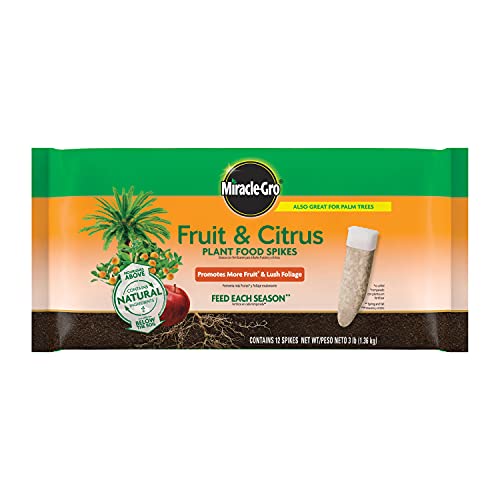
FORMULATED FOR CITRUS AND FRUIT TREES: Use these citrus fertilizer spikes on apple, orange, lemon, lime, and avocado trees; this formula is also great for feeding palm trees

Package contains 4 Pounds organic fruit and citrus fertilizer grains and is produced to avoid wasteful runoff, mess, hazards and smells

20-10-20 Analysis - Great for producing vibrant green leaves, strong branches, and more fruit in tropical fruiting plants.
Soil Requirements
Lemon trees thrive in well-draining soil. Use a mixture of potting soil and sand or perlite to enhance drainage. Aim for a pH level between 6.0 and 7.0, as this range promotes nutrient absorption. If your soil is too acidic or alkaline, consider amending it with lime or sulfur, respectively. Additionally, regularly check for compacted soil and aerate it to encourage root growth.
Watering Practices
Watering plays a crucial role in fruit production. Lemon trees prefer deep, infrequent watering. Aim to water every 1 to 2 weeks, allowing the top 2 inches of soil to dry out between sessions. Ensure the water reaches the root zone. During hotter months, you may need to increase frequency. Always check for signs of overwatering, such as yellowing leaves or root rot, and adjust as necessary.
Fertilization Tips
Fertilization boosts your lemon tree’s health and fruit yield. Use a balanced fertilizer with equal parts nitrogen, phosphorus, and potassium, such as a 10-10-10 formula. Apply fertilizer every 6 to 8 weeks during the growing season. Consider adding calcium specifically to support fruit development. Always follow the manufacturer’s instructions for dosage, and avoid over-fertilizing, which can harm the tree.
Pruning for Fruit Production
Pruning your lemon tree encourages healthy growth and improves fruit production. Proper pruning not only enhances sunlight penetration but also stimulates new growth, which is essential for fruiting.
Recommended Products

CLEAN CUTS FOR LIVE GROWTH: Bypass blade design is ideal for pruning delicate flower stems and green growth, helping reduce crushing and plant damage while cutting stems and small branches up to 5/8” in diameter

DUAL CUTTING POWER: VERSATILE PRUNING COMBO --- With both Pruning Shears and Pruning Snip, this combo delivers unmatched versatility. Whether you're delicately trimming flowers and shrubs, tackling thicker tree branches, or tending to your vegetable and fruit garden, our combo pack excels in all areas. They're also perfect for landscaping projects and maintaining the health and appearance of indoor plants. With this pack, you have a versatile tool that simplifies your gardening tasks.
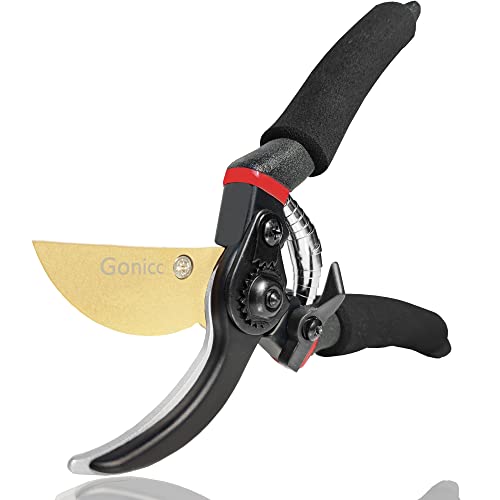
Drop-forged construction delivers exceptional durability and sturdiness for long-term heavy garden use.
When to Prune
Prune your lemon tree during late winter or early spring, just before new growth begins. This timing allows the tree to recover quickly and ensures the best chance for abundant fruit. Avoid pruning during fall or winter due to potential frost damage.
- Remove Dead or Diseased Branches
Cut away any dead, damaged, or diseased branches. This helps prevent the spread of disease and directs energy toward healthy growth. - Thin Out the Canopy
Thin overcrowded branches to improve airflow and sunlight exposure. Aim to remove about 20% of the canopy. Focus on branches that cross each other or grow inward. - Shape the Tree
Maintain a balanced structure by shaping your tree. Aim for an open, vase-like shape that allows light to reach the center. Cut back long branches to encourage lateral growth. - Shorten Long Shoots
Trim long or leggy shoots back to a bud or lateral branch. This encourages bushy growth and enhances fruit production. - Cut at the Right Angle
Make cuts at a slight angle, about 1/4 inch above buds. This minimizes water accumulation and reduces the risk of rot.
Utilizing these pruning techniques enhances your tree’s health and encourages fruitful yields. With proper care and timing, you can set the foundation for a bountiful lemon harvest.
Encouraging Pollination
Pollination plays a crucial role in helping your lemon tree produce fruit. Promoting this process can lead to a bountiful harvest.
Attracting Pollinators
To attract pollinators, create a friendly environment. Plant flowers nearby that bloom at the same time as your lemon tree. Examples include lavender, daisies, and borage, which draw bees and butterflies. Avoid using pesticides, as they deter pollinators. Instead, opt for natural pest control methods. Providing a water source, like a small shallow dish, can also support visiting pollinators.
Hand Pollination Techniques
Hand pollination can ensure successful fruit set when natural pollination is limited. It’s simple and effective. Use a small, soft brush or cotton swab to collect pollen from a male flower. Transfer the pollen to the stigma of a female flower, typically the ones with a tiny fruit visible at the base. Repeat this process for multiple flowers for better results. Timing matters—perform hand pollination in the morning when flowers are fully open to increase success.
Conclusion
Getting your lemon tree to bear fruit is all about patience and the right care. By ensuring it gets enough sunlight and proper nutrients you’ll create an environment where fruit can thrive. Don’t forget the importance of pollination and pruning too; these steps can make a significant difference in your harvest.
Remember to keep an eye on pests and diseases to maintain your tree’s health. With a little dedication and the right techniques you’ll be well on your way to enjoying the fruits of your labor. So keep nurturing your lemon tree and soon enough you’ll be rewarded with juicy lemons to savor. Happy gardening!
Frequently Asked Questions
Why isn’t my lemon tree producing fruit despite being healthy?
Lemon trees can be healthy yet not bear fruit due to factors like age, sunlight, and pollination. Younger trees (under 3 years) often focus on growth rather than fruit. Ensure your tree gets at least 8 hours of direct sunlight and is adequately pollinated.
What are the ideal conditions for growing lemon trees?
Lemon trees thrive in full sunlight, well-draining soil, and consistent watering. They prefer temperatures between 70°F and 85°F and a soil pH between 6.0 and 7.0. Proper care, including regular fertilization, enhances fruit production.
How often should I water my lemon tree?
Water your lemon tree deeply but infrequently, every 1 to 2 weeks. This helps promote strong root growth. Adjust watering according to weather conditions, ensuring the soil remains moist but not waterlogged.
Which lemon tree varieties produce the best fruit?
Popular varieties like Eureka, Lisbon, and Ponderosa are known for their unique traits and fruit production. Choosing the right variety suited to your climate and conditions can impact fruit yield significantly.
How important is pollination for lemon trees?
Pollination is crucial for fruit set in lemon trees. Planting multiple trees or creating a pollinator-friendly environment encourages better pollination. In cases of limited natural pollination, hand-pollination can help boost fruit production.
What nutritional needs do lemon trees have?
Lemon trees require nutrients like nitrogen, potassium, and calcium for optimal growth. A balanced fertilizer applied every 6 to 8 weeks during the growing season can support healthy fruit development.
When is the best time to prune lemon trees?
Prune lemon trees in late winter or early spring to stimulate new growth and improve sunlight exposure. Focus on removing dead branches, thinning the canopy, and shaping the tree for better airflow and structure.
