

Have you ever noticed little nibble marks on your prized fruit trees? You’re not alone. Many gardeners face the challenge of keeping pesky rodents at bay, especially when the fruits start to ripen. These critters can quickly turn your hard work into a feast for themselves.
Key Takeaways
- Identify Common Rodents: Learn to recognize the main culprits affecting fruit trees, including rats, mice, squirrels, and chipmunks, to address infestations effectively.
- Early Detection: Monitor for signs of rodent activity, such as gnaw marks, droppings, nests, and footprints, to take timely action and prevent damage.
- Preventive Strategies: Implement strategic measures like choosing rodent-resistant fruit trees, designing an appropriate orchard layout, and using physical barriers like fencing and netting.
- Use Natural Deterrents: Consider companion planting with fragrant herbs and attracting natural predators, such as owls, to help manage rodent populations in an eco-friendly way.
- Chemical Use Caution: If opting for chemical solutions, select rodenticides carefully, follow label instructions, and monitor their usage to ensure safety for pets and non-target organisms.
- Explore Organic Alternatives: Utilize organic methods like essential oils, hot pepper solutions, and planting deterrent species to keep rodents away while maintaining ecological balance.
Understanding The Problem
Rodents pose a significant threat to fruit trees, especially as fruits ripen. They can damage or destroy your hard-earned crops, leading to frustration and loss.
Common Rodents That Affect Fruit Trees
- Rats: These larger pests enjoy a variety of fruits. Norway rats are often found near low-lying trees, while roof rats prefer higher areas.
- Mice: Small and agile, mice can quickly access fruits. They’re often seen nibbling on fallen fruit.
- Squirrels: Known for their acrobatic skills, squirrels can easily climb trees to reach ripe fruits.
- Chipmunks: These small rodents dig around tree roots and may also consume fruits directly from the tree.
- Gnaw Marks: Look for bite marks on tree bark or fruit. These indicate recent feeding.
- Droppings: Small, dark droppings near the base of trees or on branches signal rodent activity.
- Nests: Check for nests made from grass or debris near the roots. This suggests nearby rodent habitation.
- Footprints: Notice small tracks in the soil around the trees. Rodents often leave visible marks after scurrying around.
Recognizing these signs early helps you take action before damage occurs.
Preventive Measures
Keeping rodents away from your fruit trees requires strategic planning and implementation. By using effective preventive measures, you can reduce the risk of infestations and protect your hard-earned fruits.
Choosing The Right Tree Varieties
Select tree varieties known for their natural resistance to rodent damage. Some types of fruit trees bear harder fruits that rodents find less appealing. For example, consider planting crabapple or sour cherry trees. These varieties can deter creatures like squirrels and chipmunks, as their fruits tend to have a more tart flavor.
Designing The Orchard Layout
Design your orchard layout to minimize access for rodents. Use these strategies:
- Spacing: Space trees adequately to increase airflow and sunlight. This can discourage rodent nesting.
- Perimeter: Create a perimeter of non-fruit-bearing plants or herbaceous barriers that rodents avoid.
- Mulching: Use rock mulch or gravel instead of organic mulch. Organic options provide cover for rodents; gravel doesn’t.
- Traps: Place snap or live traps around the orchard’s perimeter to capture any wandering rodents.
Implement these strategies to enhance protection for your fruit trees while enjoying a bountiful harvest.
Physical Barriers
Physical barriers effectively deter rodents from accessing fruit trees. These methods create obstacles that minimize any chances of damage to your crop.
Recommended Products

High-Quality Anti-Rust Process This hardware cloth is made from high-strength low-carbon steel wire, combining excellent strength with flexibility. After precision welding, the entire product undergoes a premium anti-rust treatment—hot-dip galvanization—with special reinforcement at all seams and corrosion-prone areas to ensure uniform, dense coating and outstanding rust resistance. This process grants the product superior weather resistance, making it an ideal choice for wire mesh fencing and long-term outdoor applications.
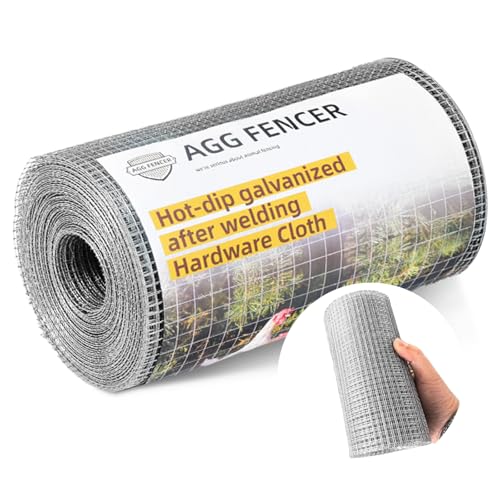
Product details: The length of this hardware cloth is 8 inches/ 20.32cm, the width is 25ft/ 7.62m, and the hole size is 1/4 x 1/4inch. It is very suitable for repairing damaged chicken coops, gaps under houses and other small-sized damaged holes

Material and size: The size of the hardware cloth is 16 inch×50 ft and 1/2 inch×1/2 inch thickness, adopt 19 guage hot-dipped galvanized material
Fencing Solutions
Fencing serves as a primary line of defense against rodents.
- Material Selection: Use materials like chicken wire or hardware cloth with small openings, ideally 1/4 inch or less. This prevents smaller rodents from entering.
- Height Requirements: Ensure the fence stands at least 3-4 feet tall. Rodents like squirrels can jump high, while some mice can climb.
- Underground Extension: Bury the fence at least 12 inches deep. This prevents burrowing rodents, such as voles, from tunneling underneath.
- Gate Design: Secure any gates tightly and check for gaps regularly. Rodents may exploit even the smallest openings.
Netting and Traps
Netting and traps serve as additional protective measures against rodents.
- Using Netting: Install bird netting around your trees. This deters pests while allowing sunlight and rain to reach the fruit.
- Size and Density: Choose netting with a mesh size of one inch or smaller. This prevents access to birds as well, enhancing protection.
- Proper Installation: Secure the edges of the netting to the ground with landscape fabric pins or rocks. This prevents rodents from slipping underneath.
- Setting Traps: Place snap traps or live traps around the orchard’s perimeter. Bait these traps with nuts or seeds to attract rodents.
- Placement Strategy: Position traps along known rodent pathways, such as near nests or along fence lines.
By implementing these physical barriers, you can significantly reduce the likelihood of rodent interference with your fruit trees.
Natural Deterrents
Natural deterrents provide an effective way to keep rodents away from your fruit trees while being eco-friendly. Using companion planting and attracting natural predators can enhance protection for your trees.
Recommended Products

Natural peppermint oil formula, safe mouse repellent without chemical hazards: Mouse deterrent interferes with rodent senses through smell, say goodbye to the dangerous residues of traditional chemical agents. 24 individually packaged, suitable for long-term protection in multiple scenes throughout the house.

Pet-Friendly & Family-Safe Formula – Mighty Mint is a top pick for pet parents looking for a natural pest control solution. Safe to use around dogs, cats, and kids when applied as directed—no harsh fumes or dangerous chemicals, just powerful peppermint protection you can trust.

FAST ACTING - Fresh Cab keeps mice out! For preventative use in non-infested areas, simply place one pouch for every 125 square feet. Made with balsam fir oil, this non-toxic plant-based alternative freshens and protects our storage areas for up to 90 days
Companion Planting
Companion planting involves growing specific plants near your fruit trees to deter rodents. Plant fragrant herbs like mint, basil, or rosemary around the base of the trees. These herbs’ strong scents often repel rodents. Additionally, consider planting marigolds, which can deter pests through their odor. Mixing flowers with your fruit trees creates a vibrant ecosystem and helps confuse rodents.
Predator Attraction
Attracting natural predators can significantly reduce rodent populations. Install birdhouses or owl boxes in your orchard to encourage birds of prey like owls. These birds actively hunt rodents. Also, maintain a diverse habitat by planting native shrubs and providing shelter, which attracts predators such as snakes and hawks. The presence of these natural hunters discourages rodents from getting too close to your fruit trees.
Chemical Solutions
Chemical solutions can effectively control rodent populations around your fruit trees. These methods include the use of rodenticides and organic alternatives, each with specific applications and safety considerations.
Recommended Products
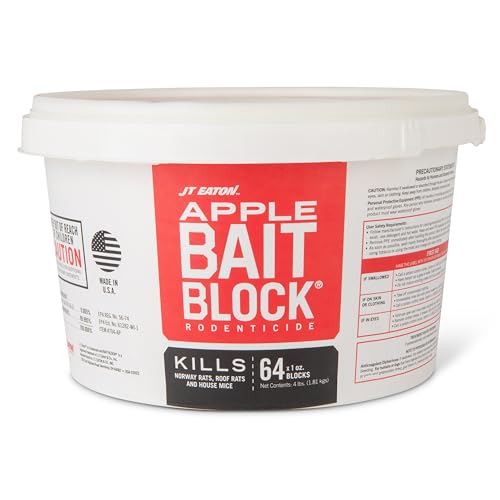
APPLE-FLAVORED BAIT BLOCKS: Apple-flavored 1 oz bait blocks eliminate rats and mice within days of feeding - 64 blocks per 4 lb tamper-evident pail for residential, agricultural, and commercial rodent control.

Kills roof rats, house mice, meadow voles, and warfarin-resistant Norway rats

GET RID OF RATS & MICE: Eliminate roof rats, Norway rats, and house mice with fast-acting rat poison bait blocks created with a high-quality rodenticide formula that controls more rodents with less bait for superior pest control results
Rodenticides and Their Use
Rodenticides serve as potent tools for eliminating rodent infestations. These poisons come in various forms, including bait blocks and pellets. When using rodenticides, follow these practical steps:
- Select an Appropriate Rodenticide: Choose a product specifically designed for rodent control. Look for options with proven effectiveness against the types of rodents you’re dealing with.
- Follow Label Instructions: Adhering to manufacturer guidelines ensures safe and effective use. Pay attention to dosage and placement recommendations.
- Place in Secure Areas: Position bait stations near fruit trees but out of reach of pets and non-target animals. Ideal locations include burrow entrances and along known rodent pathways.
- Monitor Activity: Regularly check bait stations for signs of rodent activity. Replenish bait as necessary to maintain effectiveness.
Utilize rodenticides cautiously to minimize risks to non-target species and the environment. Always store these products out of reach of children and animals.
Organic Alternatives
Organic alternatives provide a safer approach to rodent control while protecting your garden’s ecosystem. These methods focus on deterrents and natural repellents. Consider these strategies:
- Essential Oils: Use peppermint oil or eucalyptus oil as natural repellents. Soak cotton balls in these oils and place them around fruit trees. The strong scent can deter rodents from approaching.
- Hot Pepper Solution: Create a mixture of water and chili powder, and spray it on tree trunks and surrounding areas. The spicy residue can repel rodents and other pests.
- Soap and Water: Combine mild soap with water for a spray that can deter rodents. This method is both safe and non-toxic, making it suitable for use around edible plants.
- Plant-Based Repellents: Integrate plants like lavender or mint in your garden. Their fragrances can naturally repel rodents while adding beauty to your space.
Explore these organic alternatives to create a rodent-free environment without relying solely on chemical solutions.
Conclusion
Keeping rodents away from your fruit trees doesn’t have to be a daunting task. By combining various strategies like selecting resistant tree varieties and implementing physical barriers, you’ll create a protective environment for your fruits.
Don’t forget to monitor for signs of rodent activity and act quickly if you notice any. Whether you choose chemical solutions or organic alternatives, the key is to stay proactive and consistent in your efforts.
With a little diligence and creativity, you’ll be able to enjoy a bountiful harvest without the stress of rodent damage. Happy gardening!
Frequently Asked Questions
What signs indicate a rodent problem in my garden?
Look for gnaw marks on tree bark, droppings near trees or plants, nests in the area, and footprints in the soil. Early detection is key to minimizing damage.
Which tree varieties are resistant to rodent damage?
Some effective options include crabapple and sour cherry trees. Choosing these varieties can help reduce the risk of rodent damage to your fruit trees.
How can I design my orchard layout to deter rodents?
Create adequate spacing between trees and establish a perimeter of non-fruit-bearing plants. Using rock mulch or gravel can also discourage rodent access.
What types of physical barriers are best for protecting fruit trees?
Use fencing made of chicken wire or hardware cloth around your trees. Additionally, bird netting can protect the fruit while allowing sunlight and rain to reach it.
How can I attract natural predators to control rodent populations?
Consider installing nesting boxes for owls and hawks in your garden. These natural predators can help keep rodent populations in check.
Are rodenticides safe to use in gardens?
While rodenticides can be effective, it’s essential to choose the right products, follow label instructions, and monitor their use to ensure safety for non-target species and the environment.
What organic alternatives can help repel rodents?
Natural deterrents like essential oils, hot pepper solutions, and plant-based repellents such as lavender or mint can be effective. These options minimize the reliance on chemicals in your garden.
