

Have you ever dreamed of plucking fresh kiwis from your own backyard? Picture stepping outside to harvest your own juicy, vitamin-packed fruits. Imagine the satisfaction of nurturing a kiwi plant right at home, watching it thrive under your care.
In a world where store-bought fruits can lack that homegrown flavor, growing your own kiwi plant offers a rewarding solution. No more worrying about pesticides or freshness—just pure, organic goodness at your fingertips.
Key Takeaways
- Select the right variety of kiwi plant based on your climate and space availability.
- Ensure optimal sunlight exposure, soil quality, and climate conditions for successful kiwi plant growth.
- Provide sturdy structural support like a trellis for the kiwi plant to climb and thrive.
- Plant kiwi plants in well-draining soil, with proper spacing, and ensure consistent watering and feeding.
- Harvest kiwi fruits when they yield slightly to gentle pressure, store in a cool place, and enjoy fresh or in various recipes.
Selecting the Right Variety of Kiwi Plant
When choosing the perfect kiwi plant for your home garden, it’s essential to consider several factors to ensure a successful and fruitful harvest. Here’s a guide to help you select the right variety of kiwi plant for your specific needs:
- Hardy Kiwi (Actinidia arguta):
Opt for the Hardy Kiwi if you’re looking for a smaller kiwi plant that thrives in cooler climates. This variety is more tolerant of cold temperatures compared to other kiwi species, making it ideal for regions with harsh winters.
- Fuzzy Kiwi (Actinidia deliciosa):
If you prefer the traditional kiwi fruit commonly found in grocery stores, the Fuzzy Kiwi is the way to go. It produces the classic, fuzzy-skinned kiwi fruit with sweet, green flesh. This variety requires a longer growing season and warmer temperatures to flourish.
- Compact Kiwi Varieties:
For those with limited space, consider compact kiwi varieties such as the Arctic Beauty or Issai. These smaller plants are perfect for container gardens or small yards, allowing you to enjoy fresh kiwis even in confined areas.
- Self-Pollinating Kiwi Plants:
Select self-pollinating kiwi plants like the Issai variety if you’re working with a small garden or prefer not to rely on additional pollinators. Self-pollinating kiwis are convenient as they do not require separate male and female plants for fruit production.
- Male and Female Plants:
If you choose a kiwi variety that requires both male and female plants for fruiting, ensure you plant them in a proper ratio. Typically, one male plant can pollinate multiple female plants, so plan your garden layout accordingly for optimal fruit yield.
Recommended Products

For sale is an Issai Hardy Kiwi that is approximately 6-12" tall
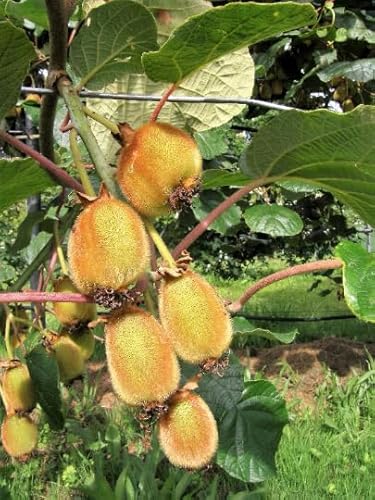
Finally, a long-awaited, self-pollinating, fuzzy kiwi has arrived! ‘Jenny’ blooms in spring with fragrant yellow flowers, and the fuzzy, 2-4” brown fruit mature in late summer or early fall.

Hardy,self pollinated, Ready to fruit Vine
Choosing the Optimal Growing Location
To ensure the successful growth of your kiwi plant, selecting the right location is crucial. Kiwi plants have specific requirements for sunlight, soil, and climate that directly impact their growth and fruit production. Here’s how you can choose the optimal growing location for your kiwi plant:
Recommended Products

Kindly NOTE: This soil tester can not be applied to test pH value of any other liquid. If the soil is too dry the indicator will not move, and water it before testing.

Accurate Soil pH Testing: Dewildetradingco Soil pH Test Strips offer measurements of soil pH levels (pH 3.5-9). As an essential tool for every gardener and grower, these test strips help determine the optimal pH for various plants, such as outdoor plants, indoor plants, gardens, grass lawns, fruit trees, flowers, vegetables, and forest shrubs.

Comprehensive Soil Analysis: Liquid soil test kits offer a comprehensive analysis of essential soil parameters, including pH, ammonia, nitrogen, phosphorus, and potassium. Having all these measurements in one kit provides a holistic understanding of the soil's fertility and health.
Evaluating Sunlight Exposure
When choosing a location for your kiwi plant, opt for an area that receives full sunlight. Kiwi plants thrive in direct sunlight, so ensure they get at least 6-8 hours of sunlight daily. Insufficient sunlight can lead to poor fruit development and overall plant health. If you’re in a cooler climate, seek a spot that maximizes exposure to sunlight to support your kiwi plant’s growth.
Assessing Soil Quality
Kiwi plants prefer well-draining soil that is rich in organic matter. Before planting, check the soil pH to ensure it falls between 6.0-6.5, providing an optimal environment for your kiwi plant. Consider conducting a soil test to adjust the pH levels if needed. Loose, fertile soil promotes root development and aids in nutrient absorption, essential for the plant’s overall health.
Climate Considerations
Choosing a location with the right climate is essential for successful kiwi plant growth. While kiwi plants can adapt to various climates, they thrive in temperate regions with moderate temperatures. Extreme heat or cold can adversely affect the plant, so aim for a location with consistent temperatures. If you live in a colder area, consider planting your kiwi plant near a south-facing wall to provide extra warmth and protection.
Providing Structural Support
Kiwi plants are vigorous climbers that require sturdy support structures to grow vertically. Install a trellis, arbor, or pergola in your chosen location to support the plant’s growth and provide a framework for its vines to climb. Ensure the structure is stable and can withstand the weight of the mature plant and fruit, preventing damage and promoting healthy growth.
Conclusion
Selecting the optimal growing location for your kiwi plant is essential for its long-term health and fruit production. By considering sunlight exposure, soil quality, climate conditions, and providing adequate structural support, you can create an ideal environment for your kiwi plant to thrive and provide a bountiful harvest.
Planting and Caring for Kiwi Plants
When it comes to planting and caring for kiwi plants, ensuring you provide the right conditions is key to a successful harvest. Here’s what you need to know:
Recommended Products

MATURE SIZE & CARE GUIDE: The Prolific Hardy Kiwi Vine can reach 20-25 feet in length when fully matured, or 12 feet if grown in a container. Thrives in full sun to partial shade and requires well-drained soil with average watering needs. Cold tolerant to USDA Zone 4, making it ideal for colder climates.

🥝 Kiwi fruit, also known as Chinese gooseberries, are small, oval-shaped fruits with a brown fuzzy skin and bright green flesh. They are native to China, but are now grown in many countries around the world, including New Zealand, where they are a popular export.

SEED CONTENTS: Includes 100 golden kiwi seeds for starting your own vines. This planting project begins with seed, rather than an established fruiting plant.
Selecting the Right Soil and Sunlight
- Soil Quality Matters: Kiwi plants thrive in well-draining soil with a pH level between 5.0 and 7.0. Ensure the soil is rich in organic matter to support healthy growth.
- Sunlight Requirements: Kiwi plants love sunlight. Plant them in a location that receives plenty of sunlight, ideally six to eight hours a day.
Planting Your Kiwi Plant
- Planting Time: Spring is the best time to plant kiwi plants when the soil is workable and the risk of frost has passed.
- Planting Depth: Dig a hole twice as wide and deep as the root ball. Place the plant in the hole at the same depth it was growing in the container.
- Spacing: Ensure you space multiple kiwi plants about ten feet apart to allow for healthy growth.
Providing Structural Support
- Trellis System: Kiwi plants need structural support, especially as they grow. Install a sturdy trellis system to help the plant climb and bear fruit.
- Pruning: Regular pruning is essential to manage the plant’s growth and promote fruit production. Prune in late winter or early spring when the plant is dormant.
Watering and Feeding
- Watering: Kiwi plants need consistent watering, especially during hot and dry periods. Ensure the soil is moist but not waterlogged.
- Fertilizing: Feed your kiwi plants with a balanced fertilizer in early spring before new growth appears. Follow the package instructions for the correct application.
- Common Pests: Look out for pests like aphids and scale insects. Use organic pest control methods or insecticidal soap to manage infestations.
- Disease Prevention: To prevent diseases, avoid overhead watering, which can promote fungal growth. Ensure good air circulation around the plant.
Harvesting and Enjoying Kiwi Fruits
Now that your kiwi plant has flourished under your care, it’s time to reap the sweet rewards of your efforts. Harvesting and enjoying kiwi fruits can be a delightful experience. Trust your instincts and follow these guidelines to ensure a successful harvest:
Knowing When to Harvest
To enjoy perfectly ripe kiwis, it’s crucial to harvest them at the right time. Kiwis are usually ready for picking in late fall or early winter, depending on your location and the variety of kiwi plant you have. A ripe kiwi should yield slightly to gentle pressure, similar to a ripe peach or mango. If the fruit feels soft, it’s likely overripe.
Harvesting Techniques
When harvesting kiwis, use sharp pruning shears to cut the fruit from the vine carefully. Leave a small portion of the stem attached to the fruit, as this can help prolong its shelf life. Handle the fruits gently to prevent any damage that could lead to spoilage.
Storing Kiwi Fruits
Store harvested kiwi fruits in a cool, dark place to extend their shelf life. If you plan to consume them within a few days, simply place them on your kitchen counter. However, if you want to keep them fresh for a more extended period, store them in the refrigerator.
Ripening Kiwis
If your kiwis need some more time to ripen after harvesting, place them in a paper bag with a banana or apple to speed up the process. These fruits release ethylene gas, which aids in the ripening of kiwis and other fruits.
Enjoying Your Harvest
Once your kiwi fruits are perfectly ripe, it’s time to savor the delicious flavors. You can enjoy kiwis fresh by cutting them in half and scooping out the flesh with a spoon. Alternatively, add sliced kiwis to fruit salads, smoothies, or desserts for a burst of tropical sweetness.
Appreciating the Bounty
Growing and harvesting your kiwi fruits can be a rewarding experience. Embrace the satisfaction of enjoying homegrown produce and share your bounty with friends and family. The effort you put into nurturing your kiwi plant will undoubtedly result in a flavorful and fulfilling harvest.
Conclusion
You’ve now discovered the joy of cultivating your own kiwi plant at home and the perks of relishing homegrown fruits. By selecting the right kiwi variety, finding the perfect spot, providing support, and mastering planting techniques, you’re on your way to a fruitful harvest. Harvesting your kiwis at the right time, storing them properly, and savoring the flavors will be a delightful experience. Don’t forget to share the bounty with your loved ones and bask in the satisfaction of growing your own delicious kiwis. Happy growing!
Frequently Asked Questions
Q: Why should I grow my own kiwi plant at home?
A: Growing your own kiwi plant at home allows you to enjoy fresh, homegrown fruits with superior flavor and nutritional value.
Q: What kiwi plant varieties are suitable for cultivation?
A: You can consider cultivating Hardy Kiwi and Fuzzy Kiwi plant varieties for successful growth and fruit production.
Q: What factors should I consider for the optimal growth of kiwi plants?
A: Choosing the right location with ample sunlight, providing structural support for the vines, and proper planting and care are crucial for growing healthy kiwi plants.
Q: How do I harvest and enjoy kiwi fruits from my plant?
A: Harvest kiwi fruits when fully ripe, use proper techniques for harvesting, store them correctly, allow them to ripen further, and relish the delightful taste of freshly harvested kiwis.
