

Have you ever wondered if you could grow your own kiwi plant from the fruit you buy at the store? Picture this: you’re enjoying a delicious kiwi, and instead of tossing the seeds, you start thinking about the possibility of growing your own kiwi vine at home. Exciting, right?
Key Takeaways
- Select a ripe kiwi fruit for growing based on factors like texture, color, fragrance, and weight to ensure successful seed extraction.
- Properly prepare kiwi seeds by extracting, drying, storing, testing viability, and pre-soaking them before planting to optimize germination.
- Plant kiwi seeds in a seed tray using well-draining soil, ensuring moisture, and maintaining adequate light for germination and growth.
- Transplant seedlings into pots carefully, choosing the right pot size, soil mix, watering regimen, sunlight exposure, and maintenance practices for healthy growth.
- Care for kiwi plants indoors by watering wisely, providing sufficient sunlight, controlling temperature and humidity, fertilizing appropriately, pruning, and training the vine for optimal growth and fruit production.
Selecting a Ripe Kiwi Fruit for Growing
When selecting a ripe kiwi fruit to grow your own plant, you need to ensure you pick the right one. Here’s how you can identify a ripe kiwi fruit that’s perfect for planting:
- Texture: Look for kiwi fruits that are slightly soft to the touch. A ripe kiwi will give slightly when you press it with your thumb, but it shouldn’t be too mushy.
- Color: Ripe kiwi fruits have a brown, fuzzy skin. Avoid fruits that are overly green, as they may not be ripe enough to yield viable seeds for planting.
- Fragrance: A ripe kiwi will have a sweet, fragrant smell. If the fruit lacks aroma or smells fermented, it may be overripe and not suitable for growing a plant.
- Weight: A ripe kiwi fruit will feel heavy for its size due to its juiciness. Heavier fruits are often an indicator of ripeness and good seed development.
By considering these factors, you can select a ripe kiwi fruit that’s ideal for extracting seeds and starting your own kiwi plant at home. Remember, choosing the right fruit plays a crucial role in the success of your kiwi growing venture.
Preparing the Kiwi Seeds for Planting
To grow kiwi from fruit successfully, you must first prepare the seeds from a ripe kiwi in the right way. Follow these simple steps to get your kiwi seeds ready for planting:
- Extracting the Seeds
- Slice a ripe kiwi fruit in half.
- Scoop out the flesh carefully to reveal the seeds.
- Gently rinse the seeds to remove any pulp residue.
- Drying Process
- Place the seeds on a paper towel.
- Allow them to dry naturally for a few days until they are completely dry.
- Storage
- Store the dried kiwi seeds in a cool, dry place until you are ready to plant them.
- Consider using an envelope or a small container to keep the seeds safe and dry.
- Seed Viability
- To test if the seeds are viable and ready for planting, perform a simple float test.
- Drop the seeds in a glass of water; viable seeds will sink, while non-viable ones will float.
- Pre-Planting Preparation
- Before planting the seeds, you can also pre-soak them in water for a day to help with germination.
- Ensure the soaking water is at room temperature and change it if it becomes cloudy.
By carefully following these steps to prepare your kiwi seeds for planting, you set the stage for successfully growing your very own kiwi vine at home. Next, you’ll learn how to plant your prepared kiwi seeds to further nurture your kiwi plant project.
Planting Kiwi Seeds in a Seed Tray
To propagate kiwi from store-bought fruit, you will need to start by planting kiwi seeds in a seed tray. This process is essential to kickstart the growth of your kiwi vine. Here’s how you can do it:
- Prepare the Seed Tray:
- Fill a seed tray with well-draining seed-starting mix. You can use a shallow tray with drainage holes to prevent waterlogging.
- Planting the Kiwi Seeds:
- Place the kiwi seeds on top of the soil in the seed tray. Press them lightly into the soil, ensuring they are not buried too deep.
- Covering the Seeds:
- Sprinkle a thin layer of the seed-starting mix over the kiwi seeds. Gently pat down the soil to ensure good seed-to-soil contact.
- Moistening the Soil:
- Lightly water the soil to moisten it. Avoid overwatering, as this can lead to seed rot. Place the seed tray in a warm location with indirect sunlight.
- Maintaining Moisture:
- Check the soil regularly to ensure it remains moist but not waterlogged. You can cover the tray with plastic wrap to create a humid environment for germination.
- Germination Process:
- Kiwi seeds typically germinate within 2-3 weeks. Once you see seedlings emerge, remove the plastic wrap and continue to water the seedlings as needed.
- Transplanting Seedlings:
- Once the seedlings have developed a few sets of true leaves, they are ready to be transplanted into individual pots. Handle the delicate seedlings with care during this process.
Recommended Products

EASIER SEED STARTING: Our Burpee SuperSeed tray with 8 extra-large flexible pop-out cells is designed to simplify indoor seed starting. Just add seed starting mix, seeds, water and light to get growing! Perfectly sized for starting seeds in the windowsill: 11.5" x 5-3/16" x 2-1/4". Rows are labeled alphanumerically for seedling identification with included Plant-o-Gram diagram.

Pro Grow Lights with Advanced Chips: Equipped with 56 high-efficiency beads per tray, these LED strips simulate natural sunlight for optimal seedling growth. Adjustable brightness and timer functions let you customize lighting for every plant stage, promoting faster, healthier growth—perfect for herbs, flowers, and more
Transplanting Kiwi Seedlings to Pots
When transplanting kiwi seedlings to pots, it’s essential to handle them with care to ensure their successful growth. Here are the steps to transplanting your kiwi seedlings:
- Selecting the Right Pot: Choose a pot that is at least 6 inches (15 cm) in diameter and has drainage holes at the bottom. This allows excess water to escape and prevents root rot.
- Preparing the Pot: Fill the pot with a well-draining potting mix. You can use a mix of peat, perlite, and compost to provide a nutrient-rich environment for your seedling.
- Transplanting the Seedling: Gently remove the kiwi seedling from the seed tray by loosening the soil around it. Carefully lift the seedling, holding it by the leaves or the root ball, and avoid damaging the delicate roots.
- Planting the Seedling: Create a small hole in the center of the potting mix in the new pot. Place the seedling in the hole and gently fill in the soil around it, pressing lightly to secure the plant in place.
- Watering: After transplanting, water the seedling thoroughly to help it settle into its new home. However, be careful not to overwater, as kiwi plants prefer well-drained soil.
- Placement: Find a sunny spot for your kiwi plant, as it thrives in full sunlight. Ensure it receives at least 6-8 hours of sunlight daily for optimal growth.
- Maintenance: Keep an eye on your transplanted kiwi seedling, watering it regularly to maintain soil moisture. Additionally, consider feeding it with a balanced fertilizer to support healthy growth.
By following these steps, you can successfully transplant your kiwi seedlings into pots, providing them with the ideal environment to flourish and eventually yield delicious kiwi fruit.
Caring for Kiwi Plants Indoors
After successfully transplanting your kiwi seedlings into pots, it’s essential to provide proper care for their growth indoors. Here’s how you can ensure your kiwi plants thrive within the cozy confines of your home:
Recommended Products
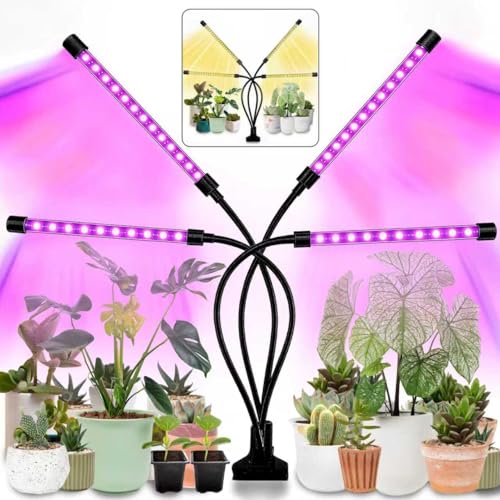
🌻Efficient LED Combination: This LED lamp has grow lights made up of 80 efficient growing LEDs ( 32 red lights, 12 blue lights,20 yellow lights and 16 white lights). It meets the conditions of plant growth without sunlight. 1--Full Spectrum(380nm-800nm): Suitable for all plants to root and sprout. 2--Red(660nm)+BLUE(460nm) Spectrum: for blooming and fruits. 3--Red+Blue+Full Spectrum: A mix of Red+Blue+Warm White is best to fuel the growth of your plants.

6000K Daylight Full Spectrum- Packed with 40 white and 8 red LEDs, this growth light throws a crisp 6000K beam that reads like real sunshine indoors. Built for flowers, herbs, peppermint, succulents, and seed starting, and flexible enough for hanging baskets, trellises, floor pots, and bonsai alike.

6000K White Circle Lights---Equipped with super bright 6 Red+6 Blue+36 White LED beads, this indoor seedling light provides a full spectrum like sunlight to promote plant growth, that is professionally designed for indoor garden potted plants.
Watering Your Kiwi Plants
- Hydrate Wisely: Water your kiwi plants thoroughly but ensure the excess water drains away. Keep the soil consistently moist but not waterlogged.
- Check Soil Moisture: Stick your finger into the soil up to the second knuckle to check for moisture. Water if the top inch feels dry.
- Avoid Overwatering: Kiwi plants are susceptible to root rot, so it’s crucial not to overwater them.
Providing Adequate Sunlight
- Sunlight Exposure: Place your kiwi plant in a spot that receives ample sunlight, preferably around 6-8 hours a day.
- Consider Artificial Light: If natural light is limited, supplement with grow lights to ensure your kiwi plant gets the light it needs for healthy growth.
Temperature and Humidity Control
- Optimal Temperature: Keep your indoor kiwi plant in an environment with temperatures around 70-75°F during the day and slightly cooler at night.
- Humidity Levels: Kiwi plants prefer higher humidity, so misting the leaves occasionally or using a humidifier can help maintain the ideal moisture levels.
Fertilizing Your Kiwi Plants
- Fertilizer Requirements: Feed your kiwi plant with a balanced fertilizer every 4-6 weeks during the growing season to promote lush foliage and fruiting.
- Use Organic Options: Consider organic fertilizers to ensure a healthy growth environment for your kiwi plant.
- Pruning Maintenance: Regularly prune your kiwi plant to control its growth, remove dead or diseased branches, and encourage fruit production.
- Training the Vine: Guide the vine along a trellis or support structure to help it grow vertically and maximize fruit yield.
By following these care tips, you can create a nurturing environment for your indoor kiwi plants, leading to healthy growth and potentially enjoying delicious home-grown kiwis in the future.
Conclusion
You now have all the essential knowledge to successfully grow your own kiwi plant from store-bought fruit. By following the detailed steps outlined in this article, you can create a thriving indoor environment for your kiwi plants. Remember to provide the right care in terms of watering, sunlight exposure, temperature, and fertilizing. Regular pruning and vine training will help maintain healthy growth. With dedication and proper care, you’ll soon be on your way to enjoying the fruits of your labor with delicious home-grown kiwis. Happy gardening!
Frequently Asked Questions
Can I really grow a kiwi plant indoors from store-bought fruit?
Yes, you can grow a kiwi plant indoors by starting with ripe store-bought kiwi fruit. Follow steps like extracting seeds, germinating them, and transplanting seedlings into pots indoors to start your plant journey.
How should I care for my indoor kiwi plant in terms of watering and sunlight?
For indoor kiwi plants, water them regularly, but ensure the soil is well-drained. Provide ample sunlight, ideally by placing them near a south-facing window for at least 6-8 hours a day.
What temperature and humidity levels are suitable for indoor kiwi plants?
Maintain indoor temperatures between 65-75°F (18-24°C) during the day and slightly cooler at night. Humidity levels of 60-70% mimic their natural habitat well.
Do indoor kiwi plants need any special fertilizing requirements?
Indoor kiwi plants benefit from a balanced fertilizer every 4-6 weeks during the growing season. Use a water-soluble fertilizer to support healthy growth.
How can I ensure proper pruning and vine training for my indoor kiwi plant?
Regularly prune your indoor kiwi plant to encourage fruiting wood. Train the vines to grow on a trellis or support structure for better air circulation and fruit production.
