

Have you ever watched your fig tree grow lush and green but wondered why it hasn’t produced any fruit? You’re not alone. Many gardeners face this frustrating situation, hoping for that sweet reward of fresh figs.
Key Takeaways
- Understand Fig Varieties: Familiarize yourself with different types of fig trees (e.g., Common Fig, Smyrna Fig) to choose the right one for your climate and gardening goals.
- Provide Ideal Growing Conditions: Ensure your fig tree receives at least 8 hours of sunlight, well-draining soil with a pH of 6.0 to 6.5, and regular, deep watering to support healthy growth.
- Implement Essential Growing Techniques: Focus on soil preparation with organic matter and maintain consistent watering practices to create an optimal environment for fruiting.
- Practice Proper Pruning: Prune during late winter or early spring to enhance air circulation, light exposure, and overall health of the tree, which promotes better fruit production.
- Utilize Effective Fertilization Strategies: Apply balanced organic or slow-release fertilizers in early spring and mid-summer to meet nutrient demands without risking late-season growth.
- Monitor for Pests and Diseases: Regularly inspect your fig tree for common pests and diseases, addressing issues promptly to maintain its health and improve fruit yield.
Understanding Fig Trees
Fig trees are deciduous plants known for their broad, lobed leaves and sweet fruit. To successfully get your fig tree to produce fruit, you’ll first need to understand the various types and what they require for optimal growth.
Types of Fig Trees
Several fig tree varieties grow in different climates. Knowing each type helps you choose the best one for your garden.
- Common Fig (Ficus carica): This variety thrives in temperate climates and produces fruit without pollination. It’s popular among home gardeners.
- Smyrna Fig: This type requires pollination to bear fruit. A pollinator variety, like the caprifig, must accompany it when planted.
- Kadota Fig: Known for its green skin and sweet flavor, this variety grows well in warmer areas and is self-pollinating.
- Brown Turkey Fig: This fig tree is hardy and produces medium-sized, sweet fruit. It’s adaptable to various climates.
Ideal Growing Conditions
Creating the right environment boosts your fig tree’s chances of producing fruit. Focus on these key factors:
- Sunlight: Fig trees thrive in full sun, requiring at least 8 hours of direct sunlight daily. Choose a location that remains sunny throughout the day.
- Soil: Well-drained soil is essential for healthy roots. A loamy soil mix with organic matter, like compost, nurtures growth. Aim for a pH of 6.0 to 6.5.
- Watering: Regular watering supports fruit development. Keep the soil consistently moist without overwatering. Reduce frequency during the dormant season.
- Temperature: Fig trees prefer temperatures between 75°F and 90°F. Protect them from frost during winter, as cold temperatures can harm the tree and its fruit production.
Understanding the types and conditions necessary for fig trees helps you create the ideal growing environment, setting the stage for successful fruiting.
Essential Growing Techniques
Fostering a productive fig tree involves implementing several essential growing techniques. Focus on soil preparation and watering practices to create an optimal environment for fruiting.
Recommended Products

Kindly NOTE: This soil tester can not be applied to test pH value of any other liquid. If the soil is too dry the indicator will not move, and water it before testing.

Accurate Soil pH Testing: Dewildetradingco Soil pH Test Strips offer measurements of soil pH levels (pH 3.5-9). As an essential tool for every gardener and grower, these test strips help determine the optimal pH for various plants, such as outdoor plants, indoor plants, gardens, grass lawns, fruit trees, flowers, vegetables, and forest shrubs.

KNOW BEFORE YOU GROW | Grow the healthiest, sustainable lawn and garden with the most accurate and easy to use professional soil test kit on the market
Soil Preparation
Preparing the right soil is crucial for fig tree health and fruit production. Use well-draining soil rich in organic matter. Consider the following steps for effective soil preparation:
- Test Soil pH: Aim for a pH range of 6.0 to 6.5. Use a soil test kit to determine your soil’s pH level.
- Amend Soil: Incorporate compost or aged manure to increase organic matter. Aim for 3 to 4 inches mixed in with the top 12 inches of soil.
- Ensure Drainage: If soil retains water, amend with sand or perlite. This step prevents root rot, which inhibits fruit production.
- Mulch: Apply a 2 to 3-inch layer of mulch around the base. Mulch retains moisture, suppresses weeds, and improves soil structure as it breaks down.
Watering Practices
Consistent and correct watering practices significantly impact fig tree fruiting. Strive for a balance, avoiding both drought and waterlogged conditions. Implement these watering strategies:
- Water Frequency: Water every 1 to 2 weeks during dry spells. Adjust based on rainfall and temperature.
- Deep Watering: Water deeply, ensuring the moisture reaches at least 12 to 18 inches into the soil. This encourages deep root growth.
- Avoid Over-Watering: Ensure the top inch of soil dries out between waterings. Over-watering leads to root issues.
- Use Drip Irrigation: Consider a drip irrigation system for even moisture distribution. This method is efficient and conserves water.
Employing these essential growing techniques enhances your fig tree’s ability to produce fruit, leading to a rewarding harvest.
Pruning for Fruit Production
Pruning fig trees correctly encourages fruit production by enhancing air circulation and light exposure. Proper timing and techniques matter to achieve the best results.
Recommended Products

ULTRA SHARP - Much less effort to cut branches with our pruning shears. Crafted from premium SK5 steel with titanium coating, our garden scissors and garden clippers boast exceptional durability and sharpness. A perfect pruning shears for gardening and a must-have garden tool, hedge clippers pruners for gardening

DUAL CUTTING POWER: VERSATILE PRUNING COMBO --- With both Pruning Shears and Pruning Snip, this combo delivers unmatched versatility. Whether you're delicately trimming flowers and shrubs, tackling thicker tree branches, or tending to your vegetable and fruit garden, our combo pack excels in all areas. They're also perfect for landscaping projects and maintaining the health and appearance of indoor plants. With this pack, you have a versatile tool that simplifies your gardening tasks.

AMBIDEXTROUS DESIGN: Pruner shape is designed for both right and left-handed use while pruning indoor & outdoor plants such as shrubs, ornamental trees, vines, & flowers like roses; SoftGrip handle reduces hand fatigue & enhances comfort and control
When to Prune
Pruning occurs at specific times to promote healthy growth. Do this during late winter or early spring when the tree is dormant. Avoid pruning in late summer or fall; these times can trigger new growth that won’t survive winter.
Pruning Techniques
Use these techniques for effective pruning:
- Remove Dead or Diseased Wood: Cut away any dead branches and any signs of disease. This helps improve overall tree health.
- Thin Out the Canopy: Reduce crowded branches. Aim for an open canopy that allows sunlight to reach the inner sections of the tree.
- Shorten Long Branches: Cut back overly long branches to encourage new growth and fruiting spurs. Keep branches at a manageable length.
- Shape the Tree: Maintain an open, vase-like shape to improve airflow and light penetration. This facilitates better fruiting conditions.
- Use Clean Tools: Use sharp, clean pruning shears to reduce the risk of injury and disease transmission. Disinfect tools between cuts if you encounter diseased wood.
By following these pruning techniques, your fig tree can thrive and produce a bountiful harvest of delicious figs.
Fertilization Strategies
Fertilization plays a crucial role in encouraging fruit production in fig trees. By selecting the right fertilizers and timing their application, you enhance the tree’s growth and yield.
Recommended Products

Supports Strong Growth & Fruit Development - Helps promote vigorous branches, healthy foliage, and improved fig production.

Supports Roots, Foliage & Structure – Helps encourage strong roots and steady plant development.
Types of Fertilizers
- Organic Fertilizers: Use well-rotted compost or manure. They improve soil structure and provide essential nutrients over time.
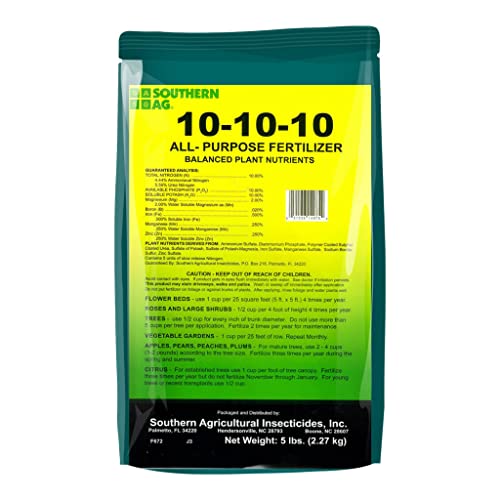
- Balanced Fertilizers: Consider 10-10-10 or 5-10-5 NPK (nitrogen, phosphorus, potassium) fertilizers. These promote overall plant health, root development, and fruiting.
- Slow-Release Fertilizers: Apply granular formulations that release nutrients gradually. They ensure sustained nutrient availability throughout the growing season.
- Liquid Fertilizers: Use diluted liquid fertilizers for quick nutrient uptake. This method allows for a rapid boost, especially during active growth periods.
- Early Spring: Apply your chosen fertilizer just before new growth begins in spring. This timing supports the tree as it comes out of dormancy.
- Mid-Season: Consider a second application mid-summer. This helps meet the increasing nutrient demands during fruit development.
- Avoid Late Fertilization: Refrain from fertilizing late in the season as it may encourage new growth that struggles to harden off before winter.
- Monitor Growth: Adjust timing based on your tree’s growth and health. Regular observation allows you to identify when additional nutrients may be necessary.
Common Issues and Solutions
Fig trees may experience several challenges impacting their fruit production. Understanding pests, diseases, and environmental factors can boost your fig tree’s health and yield.
Pests and Diseases
Pests can hinder your fig tree’s growth and fruiting potential. Common pests include:
- Fig Beetles: These insects feed on the fruit, leading to spoilage. Use neem oil as a natural deterrent.
- Scale Insects: These pests suck sap, weakening the tree. Apply insecticidal soap to eliminate them.
- Root-Knot Nematodes: These microscopic worms damage roots. Rotate crops or use resistant varieties.
Diseases may also affect fig trees. Some common diseases are:
- Leaf Spot: Fungal infections cause spots on leaves. Ensure adequate air circulation and remove affected leaves.
- Fig Rust: This fungal disease leads to yellow spots. Use fungicides as a preventive measure and avoid overhead watering.
Regular inspections and prompt interventions help maintain a healthy tree.
Environmental Factors
Environmental conditions play a significant role in fruit production. Key factors to consider include:
- Sunlight: Fig trees require 6-8 hours of direct sunlight daily. Ensure proper placement in your garden for optimal exposure.
- Soil Quality: Well-draining soil promotes root health. Test soil drainage and amend as needed with organic matter.
- Watering: Consistent moisture is essential. Water deeply once a week, but adjust based on rainfall and temperature.
- Temperature: Fig trees thrive in warm temperatures. Protect them from frost, especially during blooming periods.
Monitoring these environmental factors ensures your fig tree remains healthy and productive.
Conclusion
Getting your fig tree to produce fruit can be a rewarding journey. By following the right techniques and paying attention to its needs you can create an environment where your tree thrives. Remember to provide plenty of sunlight well-drained soil and consistent watering.
Don’t underestimate the power of pruning and proper fertilization either. With a little patience and care your efforts will pay off with a bountiful harvest of sweet figs. Enjoy the process and celebrate each step as you nurture your fig tree toward fruitful success. Happy gardening!
Frequently Asked Questions
Why isn’t my fig tree producing fruit?
Fig trees may not produce fruit due to insufficient sunlight, poor soil drainage, or improper watering. Ensure your tree is in full sunlight, planted in well-draining soil, and receive consistent, deep watering.
What types of fig trees are commonly grown?
Common fig trees include the Common Fig, Smyrna Fig, Kadota Fig, and Brown Turkey Fig. Each type has unique growing requirements and preferences, impacting their fruit production.
How should I prune my fig tree?
Prune your fig tree in late winter or early spring while it’s dormant. Focus on removing dead or diseased wood, thinning the canopy, and shaping the tree to enhance air circulation and sunlight exposure.
What is the best fertilizer for fig trees?
Balanced, slow-release fertilizers are best for fig trees. Apply them in early spring and mid-summer to support growth and fruit production while avoiding late-season fertilization.
How can I improve my fig tree’s soil quality?
Improve soil quality by mixing in organic matter, testing soil pH, and ensuring proper drainage. Apply compost or aged manure to enrich the soil and promote healthy root growth.
What pests affect fig trees, and how can I manage them?
Common pests include fig beetles, scale insects, and root-knot nematodes. Manage them using neem oil, insecticidal soap, and maintaining good air circulation around the tree.
How often should I water my fig tree?
Water your fig tree regularly, allowing the soil to dry slightly between waterings. Deep watering encourages root growth, and consider using drip irrigation for consistent moisture distribution.
